

Breastfeeding Resources

Here you will find information to help you learn more about breastfeeding. If you have questions, please reach out to your WIC nutritionist, breastfeeding peer counselor or health care provider.
Click the plus symbol (+) next to each tip to learn more
Getting Started with Breastfeeding Videos
Storage and Preparation of Breastmilk
BEFORE EXPRESSING/PUMPING MILK
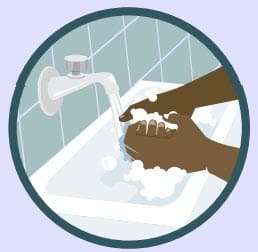
Wash your hands well with soap and water.
 Inspect the pump kit and tubing to make sure it is clean. Replace moldy tubing immediately.
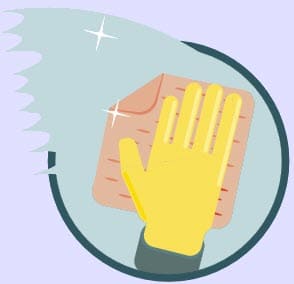 Clean pump dials and countertop.
STORING EXPRESSED MILK
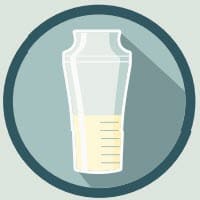
Use breast milk storage bags or clean food-grade containers with tight fitting lids.
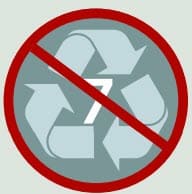
Avoid plastics containing bisphenol A (BPA) (recycle symbol #7).
HUMAN MILK STORAGE GUIDELINES
STORAGE LOCATIONS AND TEMPERATURES
STORE
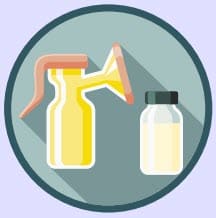
Label milk with the date it was expressed and the child’s name if delivering to childcare.
Store milk in the back of the freezer or refrigerator, not the door.
Freeze milk in small amounts of 2 to 4 ounces to avoid wasting any.
When freezing leave an inch of space at the top of the container; breast milk expands as it freezes.
Milk can be stored in an insulated cooler bag with frozen ice packs for up to 24 hours when you are traveling.
If you don’t plan to use freshly expressed milk within 4 days, freeze it right away.
THAW
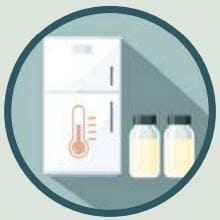
Always thaw the oldest milk first.
Thaw milk under lukewarm running water, in a container of lukewarm water, or overnight in the refrigerator.
Never thaw or heat milk in a microwave.
Microwaving destroys nutrients and creates hot spots, which can burn a baby’s mouth.
Use milk within 24 hours of thawing in the refrigerator (from the time it is completely thawed, not from the time when you took it out of the freezer).
Use thawed milk within 2 hours of bringing to room temperature or warming.
Never refreeze thawed milk.
FEED
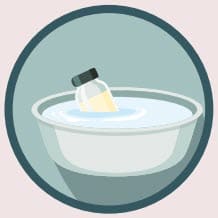
Milk can be served cold, room temperature, or warm.
To heat milk, place the sealed container into a bowl of warm water or hold under warm running water.
Do not heat milk directly on the stove or in the microwave.
Test the temperature before feeding it to your baby by putting a few drops on your wrist. It should feel warm, not hot.
Swirl the milk to mix the fat, which may have separated.
If your baby did not finish the bottle, leftover milk should be used within 2 hours.
CLEAN
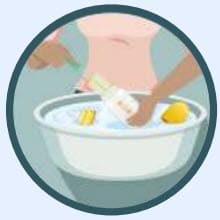
Wash disassembled pump and feeding parts in a clean basin with soap and water. Do not wash directly in the sink because the germs in the sink could contaminate items.
Rinse thoroughly under running water. Air-dry items on a clean dishtowel or paper towel.
Using clean hands, store dry items in a clean, protected area.
For extra germ removal, sanitize feeding items daily using one of these methods:
- clean in the dishwasher using hot water and heated drying cycle (or sanitize setting).
- boil in water for 5 minutes (after cleaning).
- steam in a microwave or plug-in steam system according to the manufacturer’s directions (after cleaning)
 Centers for Disease Control and Prevention
National Center for Chronic Disease and Health Promotion
FOR MORE INFORMATION, OR FOR ACCESSIBLE VERSION VISIT:
You've Got What It Takes - #280
A Guide for Expectant and New Mothers
You’ve Got What It Takes

Nurture Your Baby with Breastfeeding
Why Doctors Recommend Breastfeeding
Health experts around the world agree that breast milk is best for babies. They recommend giving only breast milk for about the first six months of life and continuing breastfeeding with appropriate solids foods until the baby is at least one year old.
Nothing compares to breast milk. It is the perfect food for your baby and contains all the nutrients your baby needs to grow, develop and thrive. Breast milk is also easier to digest than formula, so breastfed babies may have fewer “fussy” periods.
Breastfeeding keeps babies healthy. Breastfeeding helps protect babies from common illnesses like ear and respiratory infections and diarrhea because of the protective substances found in breast milk. Breastfeeding also reduces the risk of SIDS. Breastfed babies are at a lower risk for several long-term problems like diabetes, certain cancers, obesity, asthma, and allergies.
Breastfeeding keeps mothers healthy. Studies have found that women who breastfeed are less likely to develop some types of breast and ovarian cancer, as well as type 2 diabetes. Many women also return to their pre-pregnancy weight and shape faster.
Breast milk is special. Unlike formula, breast milk is always changing – over time and throughout the feeding. Studies show that breastfed babies grow up to be less picky eaters because they are used to different flavors in mothers’ milk!
Breastfeeding saves money. Breast milk is free and does not require any special equipment. Health care costs may also be lower since breastfed babies generally require fewer medications and visits to the doctor.
What to Do . . . Before You’re Due
There is a lot you can do before your baby comes to help make your breastfeeding experience a success.
Tell your family and friends you plan to breastfeed. If they are aware of your choice, they will be better prepared to help you when the baby comes.
Take advantage of breastfeeding classes and read about breastfeeding. Learn all you can while you have the time.
Avoid free gifts from formula companies. Moms who keep samples of formula in the home tend to stop breastfeeding sooner.
Discuss your breastfeeding goals with your doctor and the pediatrician you have chosen for your baby to ensure that everyone is aware of what YOU want. Include your breastfeeding goals in your birth plan and share them with the hospital staff.
Talk to your doctor about your birth plan. Learn about how pain medication and how your baby is delivered can affect breastfeeding. Explore different options for pain relief during labor.
Collect the names and numbers of breastfeeding support resources in your community. Keep them in a handy place for when you come home from the hospital.
Learn about newborn behavior. Learn about baby cues so that you will know when your baby is ready to nurse. Find out ways to soothe a new baby, so that you will be ready when the baby arrives.

When Your Baby is Born . . .
Hold your baby skin-to-skin against your chest as soon as possible. Your baby may find her own way to the breast! Your baby will be calmed by your voice and your smell. She learns to feed by being close to you.
“Room in” with your baby in the hospital. If you are together, you can respond to her feeding cues sooner. It will also give you both special time to bond.
Feed your baby as soon as she shows you that she’s hungry. Look for increased alertness or activity, rooting motions, or mouthing of the hand or fingers. Do not wait until your baby is crying. She will be frustrated and more difficult to feed.
Know that your baby will want to nurse often. Her tummy is tiny and breast milk is easy to digest. At first, your body makes small amounts of very special milk called colostrum. It is all your baby needs for the first few days of life. Frequent feedings, day and night, help your milk increase in volume or “come in” sooner. The more milk your baby takes, the more milk your body makes!
Give your baby only breast milk. If your baby gets formula or water supplements, she may feel too full or sleepy to breastfeed. This can dramatically decrease your milk supply.
Sometimes breastfeeding can be challenging in the beginning, but finding support can help you stick with it. Most moms feel that they have gotten the hang of it after a few weeks. Make good use of the knowledge of the hospital staff and ask who you can call in your area once you get home.

First Milk . . . Colostrum It’s All Your Baby Needs
Colostrum is the milk you will make in the first few days after your baby is born. It is often thick and can be clear to yellowish in color. Colostrum coats your baby’s insides and helps prevent allergies, viruses, and infections in your baby. Your colostrum is so protective – it’s similar to giving your baby his first immunization.
You will produce very small amounts of colostrum in the first day. As your baby’s stomach size increases, so does your milk supply. Most babies go into a very deep sleep about two hours after delivery and may be hard to wake for the first 24 hours. It is important that you wake your baby to feed often – about every two to three hours.
If you are having difficulty waking your baby, practice skin-to-skin contact, which will often wake a baby.
Your Baby’s Stomach Size
You’d be surprised at how small your baby’s stomach is at birth. It can only hold 1 teaspoon at each feeding. As your breast milk comes in, your baby’s stomach gets bigger…Perfect timing – your baby will get just the right amount of milk!
DAY 1: About 1 teaspoon
DAY 3: About 2 tablespoons
DAY 10: About 2 ounces
Signs of Success
For the first month of life, your baby nurses at least 8 - 12 times every 24 hours.
When nursing, your baby’s mouth is open very wide. His lips should be flipped out and he should take in most of the dark skin around the nipple, especially on the bottom. His chin should touch your breast. Holding him tummy to tummy and supporting his neck and shoulders can help keep a good latch. Try not to push or force his head to the breast.
You can see or hear your baby swallowing as he nurses.
By the end of the first week, your baby makes at least 4 soft yellow stools and wets at least 6 diapers every 24 hours. Frequent bowel movements are a good sign of milk intake in newborns, but babies may stool less often after the first month of life.
Your baby gains weight. Bring him to the doctor for a weight check about two days after he leaves the hospital. Most babies lose a little weight after birth, but should be back up to birth weight by about two weeks of age.
Keep in Mind . . .
Sore nipples are usually a sign of a poor latch. Tender nipples are common when mothers and babies are learning to breastfeed, but persistent soreness after the first few days may be a sign of a problem. Frequent breastfeeding does not cause sore nipples.
If your breasts feel overly full, nurse more often. Breastfeeding your baby is the best way to relieve discomfort from fullness.
Your baby might not have a predictable feeding schedule in the early weeks. Expect her to feed in clusters, perhaps several times in a few hours with stretches of sleep in between.
If you nurse your baby in bed, do so safely. Be sure to keep the area free of pillows, quilts and fluffy comforters. Set up your baby’s crib or bassinet within arm’s reach of your bed and place her there for sleep.
My Breastfeeding Plan . . .
Exclusive Breastfeeding
My goal is to exclusively breastfeed my baby. Please do not give my baby any supplements before speaking to me or my birthing partner. I need all of my baby’s suckling to be at my breast in order for me to establish a good milk supply.
No Bottles or Pacifiers
Please do not give my baby artificial nipples including pacifiers or any types of bottles with formula, water, or glucose water. If there is a medical reason for supplementation, I would first like to speak with a lactation consultant or pediatrician about trying alternate feeding methods with expressed milk.
Skin-to-Skin
When my baby is born, I would like to have him/her placed on my chest, skin-to-skin with me for at least one hour. If possible, please perform routine newborn evaluations with my baby on my chest. Throughout our stay, I want to be able to hold my baby skin-to-skin as much as possible. A blanket may be placed over us, but not between us, if extra warmth is necessary.
First Hour
Please help me initiate breastfeeding within 1 hour of delivery. This means placing my baby skin-to-skin as soon as possible after birth and offering to help me begin breastfeeding when my baby seems ready (e.g., rooting, licking lips, etc.). Please do not force my baby to take the breast if he/she is not showing signs of readiness. Instead, keep my baby skin-to-skin with me until he/she is ready to try to latch.
Routine Exams
Please examine my baby in my presence and do not take him/her away from me unless he/she requires medical treatment that cannot be done in my room.
Emergency Cesarean
If I have a cesarean, I would like to hold my baby skin-to-skin as soon as possible after the operation. If I am unable to for some time after the delivery, then please allow my partner to hold my baby skin-to-skin.
Rooming In
I would like to room in with my baby 24 hours a day to give my baby plenty of skin-to-skin time and so I can learn my baby’s feeding cues and feed him at his first sign of hunger. If for some reason my baby and I are not in the same room, please bring him/her to me at the earliest hunger cues, such as sucking on hands, making sucking noises, rapid eye movement, or rooting.
Breastfeeding Assistance
Please teach me how to identify a good latch and how to correct my baby’s positioning and latch if improvement is needed. Please teach me how to recognize my baby’s early hunger cues and how to tell if my baby is breastfeeding well.
EXPRESSING MILK
If my baby is unable to breastfeed or is separated from me due to medical reasons, I want to be able to express my milk within 6 hours of delivery. If you think I am going to need a pump after my hospital stay, please remind me to call my WIC office or health insurance provider.
FORMULA MARKETING
Please do not give me formula or any marketing materials which promote the use of formula.
Breastfeeding Support After Discharge
I would like to receive contact information for breastfeeding support in case I need help with breastfeeding after my baby and I are at home.
Making Milk
- Feed early and often. The more milk your baby takes, the more milk your body makes.
- Breastfeed whenever your baby is hungry. Watch your baby, not the clock. Let your baby tell you when he is full rather than timing a feeding. If he is satisfied after only one breast, that is okay.
- Say “no” to pacifiers and bottles until your baby is at least 3 - 4 weeks old.
- Do not accept free samples, gifts or educational materials from formula companies.
- If you have breastfeeding questions or concerns, contact a breastfeeding specialist, WIC nutritionist or peer counselor right away rather than stop nursing or offer formula.
Have Questions? Need Advice?
Massachusetts WIC Nutrition Program
(800) 942-1007
Massachusetts Breastfeeding Coalition
www.massbreastfeeding.org
La Leche League
(800) LA LECHE
Nursing Mothers’ Council
(617) 244-5102
International Lactation Consultant Association
www.ilca.org
National Women’s Health Information Center
(800) 994-9662
ZipMilk
www.zipmilk.org
TDD/TTY: (617) 624-5992
USDA is an equal opportunity provider and employer.
#280
Breastfeeding and Going Back to Work or School - #373

Breastfeeding and Going Back to Work or School?
Going back to work or school after your baby is born can be a very emotional time for mothers and can make it seem harder to keep breastfeeding. But there are many reasons for continuing to breastfeed! By planning ahead, you can continue to connect with your baby even when you are not there. Here are some helpful tips:
Do I Need to Pump?
You do not need to pump to successfully feed your baby. Otherwise, pumping is a great help for building up a supply of milk for when you are away from your baby. Putting your baby to breast is the best way to make sure your baby gets enough milk. The amount of milk you are able to get with a pump is not a good sign of how much milk your baby gets when he nurses at your breast. Most women make more milk when they breastfeed than when they pump.
However, if you…
- are returning to work or school
- are separated from your baby for other reasons
- want someone else to feed your baby occasional bottles of pumped breastmilk or
- need to pump for medical reasons
…a good pump will help you continue to give your baby the best nutrition even when you are away.
What Kind of Pump Will I Need?
There are several types of pumps. Your health insurance will be able to provide one for you. Some pumps are better than others, so be sure to ask. Some women are able to hand express enough milk to meet their babies’ needs. Your WIC nutritionist or peer counselor can give you more information about pumps or hand expression.
How Often Do I Need to Pump?
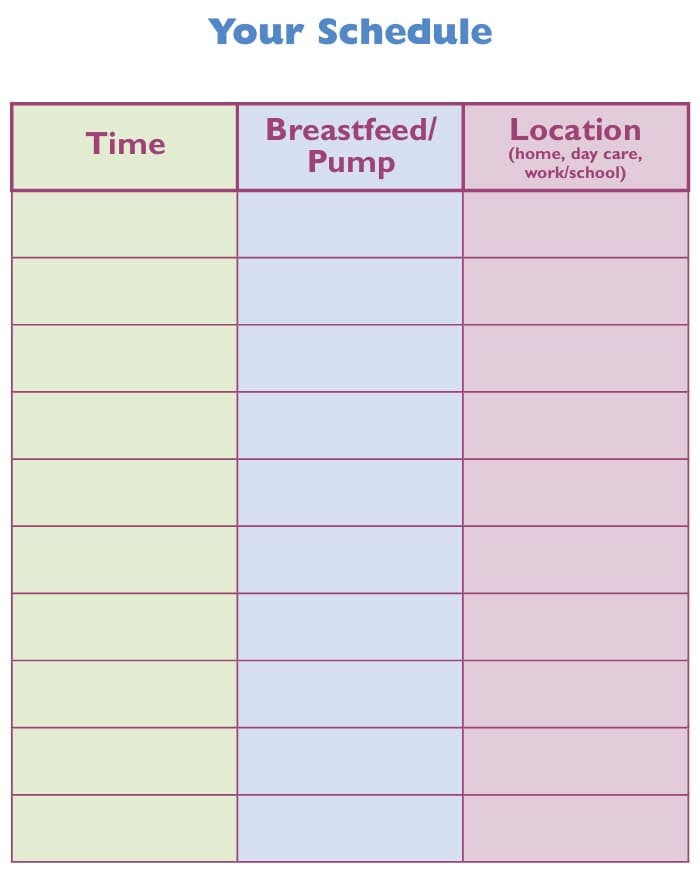
It depends on the age of your baby. A simple rule is to pump like your baby feeds. To keep up your milk supply, you should try to pump 2-3 times during an 8-hour work shift, or every two to three hours that you are away from your baby. Your WIC nutritionist or peer counselor can help you come up with a plan.
How Do I Get Started?
It’s a good idea to practice pumping about once a day a couple of weeks before you and your baby have to be apart. This will help your body get used to the pump, as well as help you stock up a bit on stored breastmilk. You will probably be able to get more milk from each pumping session after a little practice. It’s best to wait until your baby is about 3 weeks old to introduce a bottle of pumped breastmilk. Wash your hands. After you start pumping, it may take several minutes for your milk to flow. Massaging your breast before and during a pumping session will help you get more milk out. To help your milk flow, try to pump in a soothing environment. If you are away from your baby, thinking about your baby and looking at pictures of her can help. Pump until your breast feels empty and the milk stops flowing. Most electric pumps allow you to pump both breasts at the same time. Each session will take about 15 minutes. If you are using a manual pump, try to pump both sides to help keep up your milk supply and get as much milk as possible.
How Do I Store Pumped Milk?
Use hard plastic or glass containers or plastic breastmilk bags to store your milk. It’s a good idea to double up the bags to prevent leaks. Fill each container with about the amount of milk your baby will drink at one feeding so that you don’t waste any breastmilk. If you freeze your milk, be sure to leave a little space at the top of the container, since the milk will expand. Label each container with the date that you pumped it. If you are sending the milk to a daycare, put your baby’s name on it as well.
Remember that pumped milk will separate into layers when it is stored. This is normal and completely safe. The milk will often look like skim milk, but it can change in color and odor depending on what you eat. This is also fine for your baby.
You can safely leave pumped milk at room temperature for up to four hours, but it is best to chill it immediately after you pump if you won’t be using the milk right away.
Storage Guidelines for Pumped Breastmilk
- Refrigerate at a temperature of 40 degrees F or below. Use within 4 days.
- Frozen (freezer door separate from refrigerator) with a temperature of 0 degrees F or below. Use within 6 months.
- Thawed (from frozen) and refrigerated 40 degrees F or below.Use within 24 hours.
How Do I Defrost and Warm Chilled Milk?
You can thaw frozen milk overnight in the refrigerator. For a quicker defrost, run the container under lukewarm tap water or let the container sit in a bowl filled with warm water. Remember to use your milk within 24 hours. The warm water method is also a good way to warm refrigerated milk. Boiling or microwaving milk is not recommended because it increases the risk of burning the baby. It’s also not safe to refreeze thawed milk.
Before Your Baby Arrives
- Talk to your supervisor, human resources department or school counselor about your plans to breastfeed after you return to work or school.
- Discuss different types of schedules, such as starting back part-time or starting mid-week. This will allow you to work 2 days and then have 2 days off before starting back full-time.
- Ask about private areas where you can pump your breastmilk 2-3 times a day. The Affordable Care Act (health care reform) supports nursing mothers who work. For more information, ask your WIC peer counselor or visit www.dol.gov/whd/nursingmothers/.
- Talk with your WIC nutritionist or peer counselor about the best pump for you. WIC or your insurance company can help you a get a pump for free!
After Your Baby Arrives
- Begin pumping when your baby is about 3 weeks old.
- Offer your baby a bottle (1-2 oz) of expressed breastmilk once a day when your baby is about 1 month old to help him/her get used to the bottle. Your baby may take a bottle better from someone other than you!
- In addition to regular feedings, try to pump several times a week to build a supply of breastmilk to keep in your freezer.

Going Back to Work/School Timetable
About 2 weeks before you return to work/school:
- Follow up with your employer regarding your work and pumping schedule.
- Continue to offer your baby a bottle with your breastmilk once a day.
- Visit the sitter or daycare provider with your baby. Find out if there is a special space in the freezer/refrigerator to store breastmilk.
- Share instructions on how to thaw and handle breastmilk with the child care provider.
- Think about clothes for work that will make it easy to pump.
About a week before you return to work/school:
- Leave your baby with a family member or babysitter a couple of times before you go back to work or school to get used to the new routine.
- If you have freezer space, cook several meals in advance so you will have them ready the first week you go back work or school.

Night before:
- Pack the diaper bag, your lunch and healthy snacks, your pump and milk storage equipment.
Every morning:
- Allow 30-60 extra minutes for getting dressed, nursing your baby and packing up two people!
- Eat a healthy breakfast.
- Finish packing the diaper bag with your labeled bottles of breastmilk and some extra frozen breastmilk for the child care provider.
- If you can, breastfeed your baby at day care. Your baby will be full and your breasts will be comfortable when you arrive at work or school. This will help avoid the need to pump as soon as you get to work.
At work/school:
- Remember to wash your hands!
- Pump according to the schedule approved by your supervisor or school administrator and what works with your schedule. Pump when you would have nursed your baby, usually every 3 hours.
- Rinse pump parts and store in a resealable bag in the refrigerator or cooler bag. If you can’t keep the parts cold, wash in warm, soapy water.
When you come home:
- Label, date and store your freshly pumped breastmilk in the refrigerator to use the next day or drop it off at daycare when you pick up your baby. If you have more than you need, put the milk in the freezer.
- Wash pump parts and bottles with soap and warm water.
- Sit down, nurse and relax with your baby.
This is an equal opportunity provider and employer.
Form #373
The First Days - #91

The First Days
Get Off to a Good Start
Let your doctor and nurse know that you are planning to breastfeed. Protect your milk supply by asking to room-in with your baby and by avoiding pacifiers and bottles. Holding baby skin-to-skin can help with milk production. The more often you nurse, the more milk you will make.
The First Feeding
Right after delivery, hold your baby skin-to-skin, with baby on your belly or chest, and progress to the first feeding when baby is alert. If you have a Caesarean section, breastfeed as soon as you are able.
The first milk, called colostrum, is made in small amounts to match the size of your baby’s belly. It is what you’ll make in the first few days and it’s all your baby needs for a healthy start. If you nurse early and often, your breasts will feel fuller and you’ll have more milk by the end of the first week.
How to Breastfeed
Feed your baby when she is hungry, rather than on a schedule. Stretching, rapid eye movement, and hand-to-mouth movement are all signs of hunger. Crying is a late sign of hunger, and your baby will be frustrated and more difficult to feed if you wait until she cries.
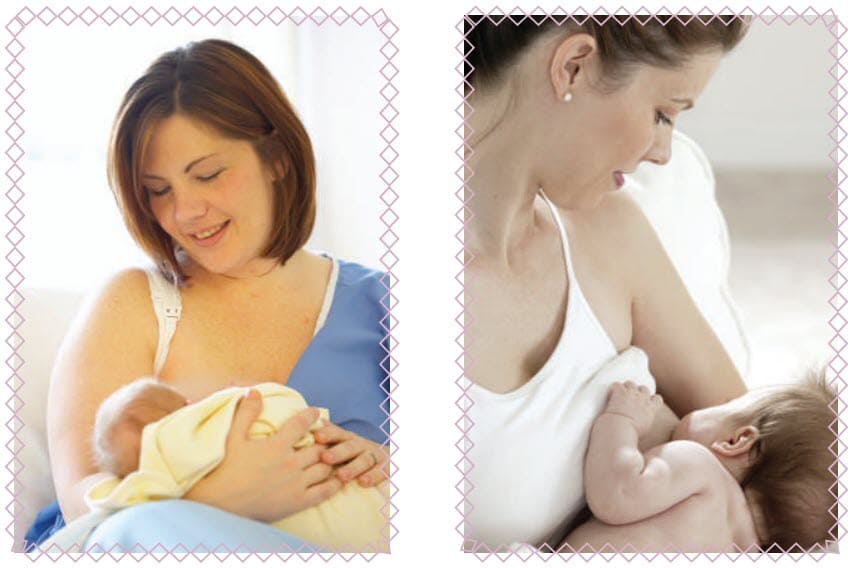
Support your breast with one hand. Use your other hand to support your baby’s neck and shoulders so that baby can latch closely, and bring the baby to your breast. Place pillows underneath baby for your comfort as needed. Hold your baby so his tummy touches yours.
When your baby sucks more slowly or comes off on his own, you can switch sides. If you have pain, take baby off the breast by sliding one finger into the corner of baby’s mouth and break the suction.
Then, try latching the baby again.

Tickle your baby’s lips with your nipple until her mouth opens wide. Bring your baby close with her nose aimed towards your nipple, so that when she latches, the nipple points toward the roof of her mouth.

Give your baby as much of your breast as possible, and offer her more of the bottom part than the top. Make sure he is latching onto more than just your nipple, and both lips are flipped out.
How to Tell if Your Baby is Getting Enough Milk
Your baby should breastfeed at least 8 to 12 times in 24 hours. Newborns have tiny stomachs, so they can’t hold a lot of milk at one time. Young babies usually nurse every 1-2 hours. You should see and hear your baby suck and swallow as he nurses.
By the fourth or fifth day, newborns should have 4-6 wet disposable diapers and at least 4 dirty diapers a day. After the first month, some babies have fewer dirty diapers.
All babies lose a little weight after birth. If your baby is feeding well, she should be back up to her birth weight by two weeks of age.
If you have any concerns call your nutritionist, breastfeeding specialist or doctor.
It’s normal to have questions!
Many moms have questions about breastfeeding. Sometimes it’s great to talk to someone who’s already done it. Be sure to ask about the WIC Breastfeeding Peer Counseling Program. If you have a Peer Counselor, be sure to call her so she can be there for you.
If you have challenges or questions, reach for the phone before reaching for a bottle. Breastfeeding should not hurt. If you feel any pain or discomfort when you nurse, contact a nutritionist or breastfeeding specialist right away. She can often help you solve the problem by changing the way your baby latches onto your breast.
Breastfeeding is not always easy at first, but it won’t take long before you and your baby know just what to do! Congratulations on your start to breastfeeding; this is a special bonding experience that only the two of you can share.
This is an equal opportunity provider and employer.
Form #91
Breastfeeding Basics for Moms - FNS-737

Your Breastfeeding Questions Answered
Why should I breastfeed?
BREASTMILK IS THE BEST FOOD FOR YOUR BABY. IT:
- has all the nutrients your baby needs for proper growth and development
- may reduce the risk of ear infections and colds
- may reduce the risk of obesity, diabetes, and other diseases
- is easier for your baby to digest
- is always the right temperature, never too hot and never too cold
IT’S HEALTHIER FOR YOU, TOO! BREASTFEEDING:
- can help you recover more quickly from childbirth
- reduce your risk for certain breast and ovarian cancer and type 2 diabetes
- may help you lose weight after childbirth
How often should I breastfeed my baby?
Newborn babies breastfeed frequently, about 8 to 12 times in 24 hours. Feed your baby when he or she shows signs of hunger, such as:
- sucking on hands or fingers
- smacking lips or opening mouth when lips are touched
- rooting or turning their head to search for mother’s nipple
- squirming or restless movements while asleep
Many moms think crying is the only sign that their baby is hungry. But, it’s actually a sign of distress. Hungry babies will show signs of hunger before they begin to cry. Watching for and responding early to your baby’s hunger signs may help prevent them from crying.

Your body is amazing!
Did you know: as you breastfeed your baby, your body adjusts to make the right amount of milk? Putting your baby to your breast early and often will help your body keep up with your baby’s growing tummy.
The more breast milk your baby drinks from you, the more milk you will produce. This is called supply and demand, and it is very important to the success of breastfeeding.
How will I know my baby is getting enough?
You can be assured that your baby is getting plenty of milk in a few ways. One way is to count the number of wet diapers and poops. The color, texture, and frequency of your breastfed baby’s poops will change as your baby grows.
The chart offers a guide for the frequency and color of your baby’s daily poops and wet diapers. The boxes show the smallest number of diapers for most babies. It is okay if your baby has more diapers than what is shown. Your baby may have more than six poops a day after the first week. After 6 weeks, there may be fewer dirty diapers.
Another way to tell if your baby is getting enough milk is weight gain. Don’t worry if your baby loses a little weight in the first few days—that’s normal. Talk to your baby’s doctor to make sure your baby is gaining the right amount of weight.

Can I feed my baby both breast milk and formula?
Feeding your baby both breast milk and formula in the first month can decrease your milk supply. If your baby gets full with formula and does not breastfeed, your breasts will make less milk.
Why does it feel like I’m not making any milk?
The first milk new mothers produce is called colostrum. Colostrum is a sticky yellowish substance full of vitamins and minerals. It provides your baby with important immunities and nourishment. Though it may not seem like a lot, it is enough to fill your baby’s stomach in the first days.
At birth, your baby’s tummy is no bigger than a toy marble (about 1 to 2 teaspoons). By day 10, your baby’s stomach grows to the size of a ping-pong ball (about 2 ounces). Your milk supply will increase within a few days to keep up with your baby’s needs.
Why do my breasts hurt when my baby nurses?
You may feel pain if your baby is not positioned properly or not latching on correctly to breastfeed. Talk to WIC breastfeeding staff for help with positioning and latching. Mothers, grandmothers, sisters, other relatives, and friends who have breastfed their babies can be good sources of information, too!
How do I prepare to go back to work if I am breastfeeding?
If you are returning to work soon after your baby is born, it is best to make a plan about how to work and breastfeed. Find a day care center or babysitter near your job and talk about your plans to breastfeed. You can use a breast pump to collect and store milk for your baby to have while you are at work. WIC can help you learn about pumping and storing breast milk. You should start to pump a week before you return to work to ensure you have a good supply.
For more resources visit: www.mass.gov/wicbreastfeeding

FNS-737
USDA is an equal opportunity provider, employer, and lender.
Breastfeeding Basics for Dads - FNS -736

Your Breastfeeding Questions Answered
Breastfeeding gives your baby a healthy start in life. But it may not be easy. It takes time, practice, patience, and teamwork. Your support and encouragement are critical to breastfeeding success. Learn why breastfeeding is important and how you can be involved in every step of the breastfeeding journey.
Why is breastfeeding the healthiest option for my baby?
- Breast milk lowers your baby’s risk of certain infections and diseases, such as ear infections, asthma, and childhood obesity.
- Breast milk is easier to digest. Breastfed babies have less diarrhea, constipation, and colic.
- Breastfeeding provides important physical contact that makes your baby feel safe, secure, and loved.
- Breast milk contains vitamins, minerals, antibodies, and nutrients to help your baby grow healthy and strong.
What other benefits does breastfeeding provide?
- Breastfeeding is good for mom, too. It helps her recover from childbirth more quickly andmay help her lose weight. It also reduces her risk for type 2 diabetes and certain breast and ovarian cancer.
- Breastfeeding saves money. Breast milk is free and breastfed babies may be sick less often, which may keep your health care costs low.
- Breastfeeding is convenient. There are no bottles to heat up and no formula to measure and mix, which saves time.

How can I support breastfeeding?
As a dad, you may feel left out of feeding if your partner breastfeeds your new baby. But your baby and your partner need your help. Breastfeeding is a team effort, and you play an important role. Here are ways you can offer support and encouragement, and be involved in the breastfeeding journey.
- Learn the breastfeeding basics. Before your baby arrives, join your partner at a WIC breastfeeding class to learn about how breastfeeding works, how much milk your baby needs, and how to know whether your baby is getting enough milk.
- Help take care of your baby. You can soothe, bathe, change a diaper, dress, and burp your baby.
- Bond with your baby. Cuddle, rock, and hold your baby skin to skin. You can also read, talk, or sing to your baby.
- Take care of your partner. If mom is uncomfortable or has pain, it may be because the baby is not latching on correctly or she may be engorged. Contact WIC breastfeeding staff who can help her stay on track. You can also make sure mom is taking care of herself.
- Watch for hunger signs. Learn your baby’s hunger cues so that you can bring your baby to your partner to breastfeed.
- Limit visitors. New moms need plenty of rest! Help limit the number of visitors that come to your home.
- Go the extra mile. Help with chores. Run errands, cook, clean, and do laundry. If mom needs something while she’s breastfeeding, offer to get it for her. If you have other children, take care of them so your partner can focus on breastfeeding.
- Offer encouragement. Help your partner feel good about herself. Tell her you’re proud of her and that she’s doing a great job.
Try to do something special for her.
For more information on breastfeeding and how you can be part of the breastfeeding team, visit: www.mass.gov/wicbreastfeeding

FNS -736
USDA is an equal opportunity provider, employer, and lender.
Breastfeeding Basics for Grandmas - FNS-738

Your Breastfeeding Questions Answered
Breastfeeding gives your grandchild a healthy start in life. But it may not be easy. It takes time, practice, patience, and teamwork. Your support and encouragement for mom are critical for breastfeeding success. Learn why breastfeeding is important and how you can be involved in mom’s breastfeeding journey.
Why is breastfeeding the healthiest option for my grandchild?
- Breast milk lowers your grandchild’s risk of certain infections and diseases, such as ear infections, asthma, and childhood obesity.
- Breast milk is easier to digest. Breastfed babies have less diarrhea, constipation, and colic.
- Breastfeeding provides important physical contact that makes your grandchild feel safe, secure, and loved.
- Breast milk contains vitamins, minerals, antibodies, and nutrients to help your grandchild grow healthy and strong.
What other benefits does breastfeeding provide?
- Breastfeeding is good for mom, too. It helps her recover from child birth more quickly and may help her lose weight. It also reduces her risk for type 2 diabetes and certain breast and ovarian cancer.
- Breastfeeding saves money. Breast milk is free and breastfed babies may be sick less often, which may keep health care costs low.
- Breastfeeding is convenient. There are no bottles to heat up and no formula to measure and mix, which saves time.

How much milk does my grandchild need?
Babies’ tummies are tiny. It doesn’t take much to fill up your grandchild. How much milk your grandchild needs will increase as baby grows, and your daughter’s body will adjust to those changes.
Watching baby’s diapers is one way to tell if your grandchild is getting enough milk. The color, texture, and frequency of poops and wet diapers will tell you a lot. Changing diapers is also a great way to support your daughter.
How can I support breastfeeding?
Breastfeeding is a team effort, and you play an important role. Here are ways you can offer support and encouragement and be involved in the breastfeeding journey.
- Learn the breastfeeding basics. Before your grandchild arrives, join your daughter at a WIC breastfeeding class to learn about how breastfeeding works, how much milk baby needs, and how to know whether baby is getting enough milk.
- Go the extra mile. Help with chores. Run errands, cook, clean, and do laundry. If mom needs something while she’s breastfeeding, offer to get it for her. If you have other grandchildren, take care of them so your daughter can focus on breastfeeding.
- Limit visitors. New moms need plenty of rest. Help limit the number of visitors that come to your home.
- Help take care of your grandchild. You can soothe, bathe, change diaper, dress, and burp the baby. You can also read, talk, or sing tothe baby.
- Take care of mom. If mom is uncomfortable or has pain, it may be because the baby is not latching on correctly or she may be engorged. Help her contact WIC breastfeeding staff who can help her stay on track. You can also make sure mom is taking care of herself.
- Watch for hunger signs. Learn your grandchild’s hunger cues so that you can bring the baby to your daughter for breastfeeding sessions.
- Offer encouragement. Help your daughter feel good about herself. Tell her you’re proudof her and that she’s doing a great job. Try to do something special for her.
For more information on breastfeeding and how you can be part of the breastfeeding team, visit: www.mass.gov/wicbreastfeeding

FNS-738
USDA is an equal opportunity provider, employer, and lender.
Expert Help for Breastfeeding Moms - #348
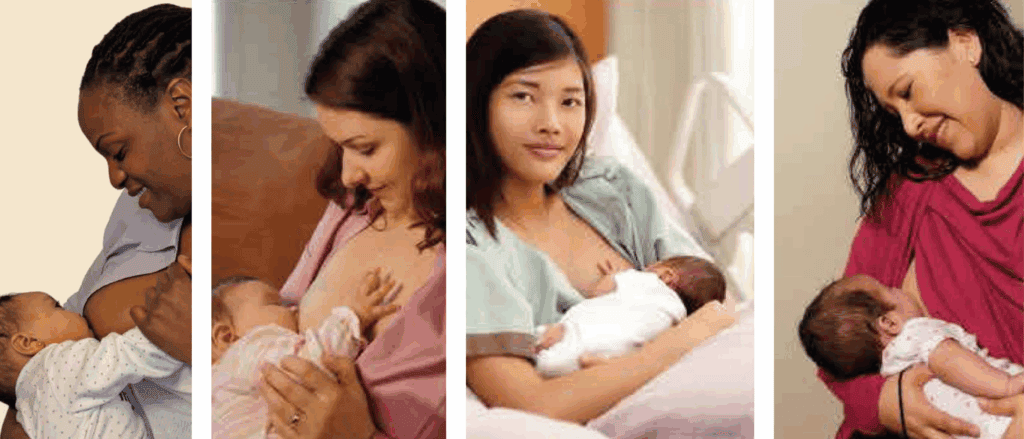
Breastfeeding might be challenging in the beginning, but the benefits last a lifetime.
Our breastfeeding services support you every step of the way.
Before you have the baby …
INDIVIDUAL BREASTFEEDING CARE
While you're pregnant and after your baby is born you can meet with a breastfeeding specialist or nutritionist at WIC. This is a good chance to talk with an expert who can answer your questions and give advice.
PRENATAL BREASTFEEDING CLASSES
These classes give you a chance to talk about how you want to feed your baby. You can ask questions and get answers before your baby is born. Classes help you know what to expect when you start to breastfeed, and they are a great way to meet other moms who are going through the same experience.
EDUCATIONAL MATERIALS
WIC has materials to answer the questions that most women commonly ask about breastfeeding. If there is something you want to learn about, ask us! Chances are, we’ll have just the right resources for you!
When the baby arrives …
BREASTFEEDING PEER COUNSELORS
A WIC Peer Counselor is a mom—like you—who breastfed her baby. She may have had the same questions or problems that you have. She is trained to help you and your baby. You can count on your Peer Counselor if you have questions. Call now to connect with a Peer Counselor who speaks your language. She will be ready to help any time you need her—day or night. She can even talk to you while you are in the hospital.
BREASTFEEDING SUPPORT GROUPS
WIC helps new moms learn from each other in a group setting. Groups are available at most WIC Programs. Just ask!
HELP GETTING PUMPS
WIC will help you get a pump through your health insurance plan or our lending program. A Peer Counselor can also help you make a plan for pumping when you go back to work or school.
EXTRA FOOD FOR NURSING MOMS
To help you stay strong while you nourish your little one, you’ll receive extra food as part of your WIC benefits for up to a year after you have your baby. That’s just another way WIC helps keep you and your new baby healthy!
INFANT NUTRITION AND INFORMATION
Breastfed babies receive more food from WIC. WIC nutritionists can help you choose the best foods for your family. Have questions? We have answers.

Breastfeeding is a gift only you can give your baby, but you don't need to do it alone. WIC is here for you.

ABOUT WIC
WIC is a program for Women, Infants and Children. We offer free services to Massachusetts families who qualify. WIC provides healthy food for nursing mothers, infants and children. We offer support for breastfeeding mothers and education about nutrition and health.
To see if you qualify or to make an appointment, call 1‑800‑WIC‑1007. Many of our offices are open in the evenings and on Saturdays. Walk‑ins are always welcome
To find out more about breastfeeding services, call 1‑800‑WIC‑1007 or a program near you.
Boston Area
Chelsea/Revere — (617) 887‑4340
Dorchester Bay — (617) 825‑0805
Dorchester North — (617) 825‑8994
East Boston — (617) 568‑6440
Jamaica Plain/Brighton — (617) 983‑6086
Roxbury/South End — (617) 989‑3055
Central
Framingham/Waltham — (508) 620‑1445
North Central — (978) 345‑6272
South Central — (508) 765‑0139
Worcester — (508) 796‑7000
Cape and Islands
Cape Cod — (508) 771-7896
Northeast
Lawrence — (978) 681‑4960
Lowell — (978) 454‑6397
North Shore — (781) 599‑7290
Northern Essex — (978) 374‑2191
Souttheast
Brockton — (508) 588‑8241
Fall River — (508) 679‑9349
New Bedford — (508) 997‑1500
Plymouth — (508) 747‑4933
Quincy — (617) 376‑8101
Taunton/Attleboro — (508) 823‑6346
Western
Berkshire — (413) 447‑3495
Franklin/Hampshire/N. Quabbin — (413) 376‑1160
Holyoke/Chicopee — (413) 534‑2460
Springfield North — (413) 737‑8868
Springfield South — (413) 739‑1100
Form #348
This institution is an equal opportunity provider and employer.