

Nutrition Resources

Here you will find information about feeding your family, infant and child nutrition, and pregnancy.
If you have questions, please reach out to your WIC nutritionist or health care provider.
Family and Child Nutrition
Click the plus symbol (+) next to each tip to learn more
Tasty Simple Snacks #360

TASTY & SIMPLE
SNACK IDEAS FOR YOUR FAMILY
- Yogurt with berries
- Cheese with whole-grain crackers
- Smoothie blended with ¼ cup yogurt, ¼ cup milk, ¼ cup frozen berries & small handful of spinach
- Peeled apple slices with cheese
- Hummus with thinly sliced vegetables, such as cucumbers or bell peppers
- Cottage cheese with diced melon
- Hard-boiled egg with whole wheat toast
- Whole-grain cereal with milk
- Sliced banana with nut or seed butter
- Mix ¼ cup plain yogurt, ½ avocado & 1 tsp. lemon juice and use as a dip for crackers & veggies
- Cooked oatmeal with cinnamon & sliced bananas
- Avocado half topped with black beans & salsa
- Tortilla roll-up with nut or seed butter & sliced fruit, such as pears or strawberries
#360
This institution is an equal opportunity provider.
Balancing Healthy Meals for Your Toddler #258
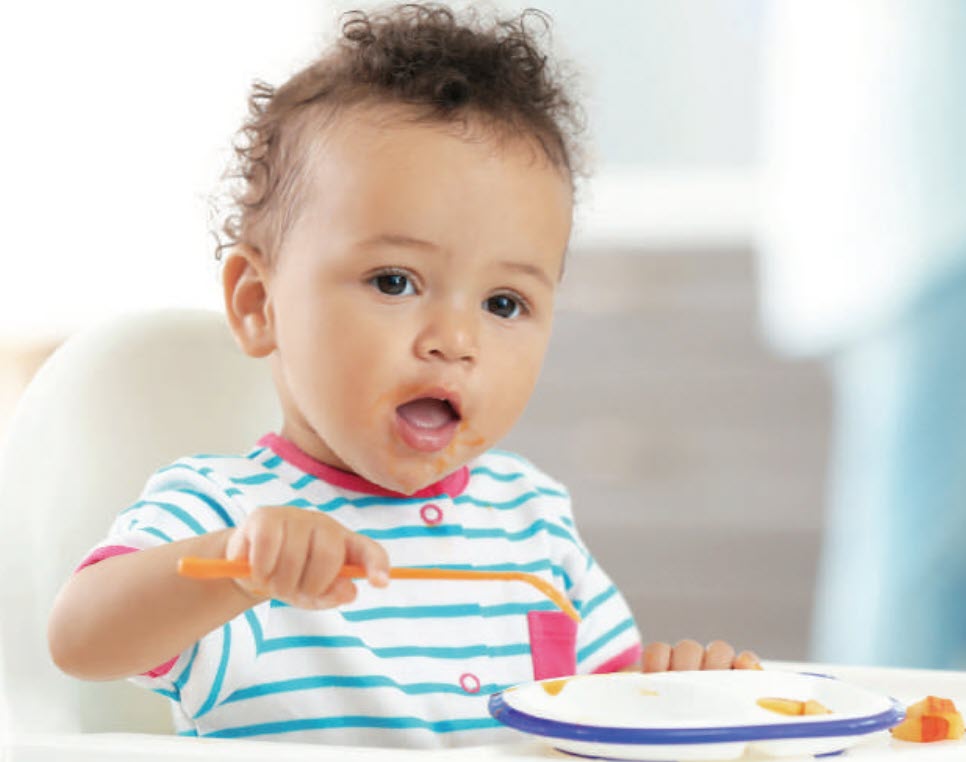
BALANCING HEALTHY MEALS FOR YOUR TODDLER
Variety Is Key!
The transition from baby to toddler can sometimes seem like it happens overnight! It’s an exciting time to watch your child discover new foods and textures, all while learning to feed themselves.
A variety of foods, flavors, colors, and textures is important as your baby grows. Keep MyPlate in mind and offer your toddler foods from all of the food groups each day. Remember, they may not always eat it all. A toddler’s belly is much smaller than an adult’s, so be sure to always offer small portions using child-size plates and cups.
7” child-size plate
Typical portions for a 1- to 2-year-old
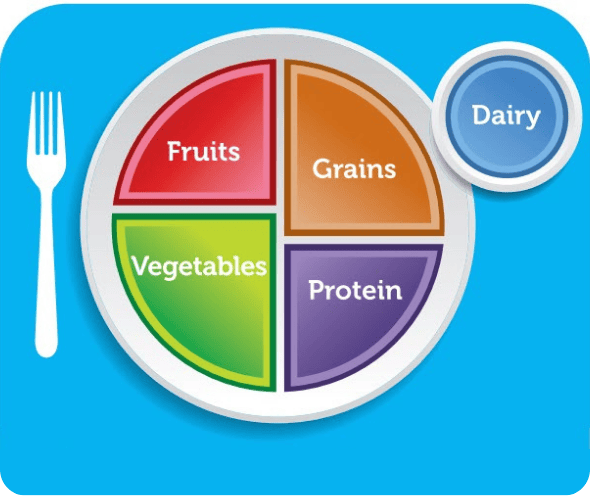
FRUITS
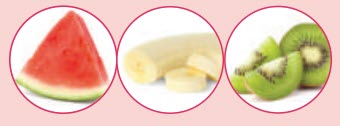
WHAT IS A SERVING OF FRUIT?
¼ cup chopped or mashed fruit
2 ounces 100% fruit juice
(Offer no more than 4 ounces of juice a day)
Offer 3-4 servings each day
GRAINS
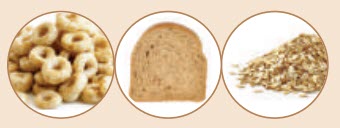
WHAT IS A SERVING OF GRAINS?
1 slice bread or ½ tortilla
¼ cup cooked oatmeal, rice or pasta
½ cup cereal
2 or 3 crackers
Offer 3-4 servings each day
Make ½ your grains whole!
VEGETABLES
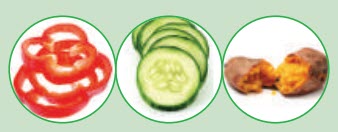
WHAT IS A SERVING OF VEGETABLES?
¼ cup chopped or mashed, cooked vegetables
Offer 3-4 servings each day
PROTEIN
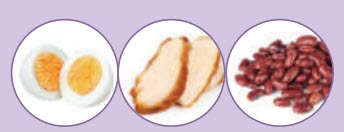
WHAT IS A SERVING OF PROTEIN?
2 tablespoons meat, chicken, turkey or fish
1 egg
¼ cup beans or peas
1 tablespoon peanut butter
Offer 2-3 servings each day
DAIRY
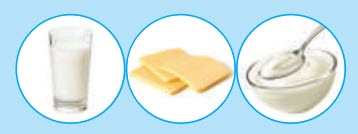
WHAT IS A SERVING OF DAIRY?
4 ounces whole milk (Offer no more than 16 ounces of milk a day)
½ cup yogurt
1 ounce of cheese
Offer 3-4 servings each day
Avoid feeding your child these foods, since they may choke on them.

- Chunks of raw vegetables
- Uncut grapes & cherry tomatoes
- Nuts, seeds, chips & popcorn
- Chewing gum & hard or sticky candy
- Uncut hot dogs, meat & cheese
- Chunks of peanut butter
Family Mealtime
Your toddler will enjoy feeding themselves with their hands and eventually a spoon. Don’t worry about the mess! Your toddler is learning and this is important for development.
- Allow your child to decide when and how much or how little they want to eat at meals and snacks. Offer a variety of healthy options and let them choose.
- Your child loves imitating you! Be a role model for healthy behaviors by enjoying a variety of foods with them at every meal.
- Mealtimes are a chance to connect with your kids. Turn off the TV and other devices so there aren’t distractions.
- Your toddler may eat less or become pickier as they get older because they aren’t growing as fast as they did when they were a baby. It’s normal for children to eat more on some days, and less on others.
- Your toddler may refuse new foods and foods that they have eaten before. While frustrating, this is common! Simply wait and re-introduce these foods. Remember, it can take many times for your child to realize they like a new food.
- Avoid rewarding good behavior with sweet treats. Instead, reward them with more physical activity, stickers or playing their favorite game.
Frequently Asked Questions
Can I still give my baby a bottle?
Once your baby turns 1, they no longer need formula or a bottle. They should be drinking no more than 16 oz. of whole milk each day in a cup. Too much milk can cause a drop in iron levels and constipation!
Can I still breastfeed my 1-year old?
Yes! Continue breastfeeding as long as you wish while still introducing new foods.
Do I continue to give them pureed foods?
Now that your child has some teeth, it is best to offer finger foods with more texture. This will help them try new foods and develop important oral skills.
Can my toddler eat what I eat?
Yes! Your child will typically be able to eat just about anything that you eat. Just avoid offering your child foods with too much salt or the choking hazards on the other side – but new flavors and seasonings are good! Your child will enjoy eating with you and will be interested in what’s on your plate.
This institution is an equal opportunity provider.
#258
Practice Makes Perfect (Bottle Weaning) #260
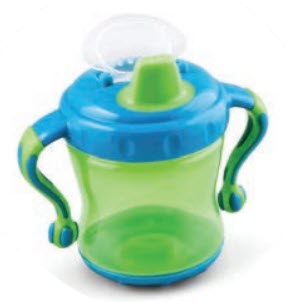
HELPING YOUR BABY SWITCH FROM BOTTLES TO A CUP!
Why should I introduce my baby to a cup?
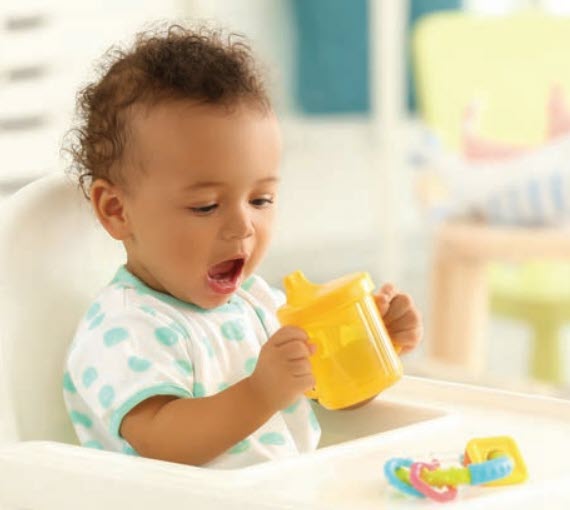
Switching to sippy cups, also called training cups, is an important part of development. Your baby will learn how to sip rather than suck and will be less likely to have cavities.
When should I let my baby try using a cup?
Your baby should be able to sit unsupported, which is usually around the age of 6 months. But, every baby is different, so start when your baby is ready. Your baby should be off of the bottle by 14 months of age.
What type of cup should I use?
Find one that works best for your baby. It can have a spill-proof cover, a spout, or handles. Avoid cups with straws or valves while your baby is learning to drink from a cup. These will make your baby suck when they should be learning to sip!
TIPS!
PROTECTING YOUR BABY’S TEETH
- Don’t let your baby walk or run with a sippy cup or bottle, so they won’t fall and get hurt.
- Let your baby play with empty cups to get used to holding them.
- Start by offering a little water once per day during meal times.
- You don’t have to start with sippy cups. You can start with small, open cups too!
- Transitioning can be made easier by providing other sources of comfort such as singing, reading, and playing, rather than offering a bottle immediately.
- Avoid giving your baby a bottle or a sippy cup during naptime or at bedtime, unless it is only filled with water.
- Always clean your baby’s teeth before placing them in bed.
- Help to keep your baby cavity-free by scheduling visits with your pediatric dentist once the first tooth appears or at 1 year of age.
- The American Academy of Pediatrics recommends not giving your baby juice before 1 year of age. For children ages 1-3 years, limit juice to 4 oz. per day.

This institution is an equal opportunity provider.
Form #260
Calcium #362

Calcium…
for a lifetime of strong, healthy bones!
Calcium benefits bones and beyond!
- Builds strong bones and teeth
- Helps your muscles contract
- Helps your blood clot
Best Sources:
Milk
Yogurt
Cheese
Soy milk fortified with calcium
Sardines with bones
Tofu fortified with calcium
Canned salmon with bones
Collard greens
Good Sources:
Black-eyed peas
Spinach
Orange juice fortified with calcium
Broccoli
WIC cereals fortified with calcium
Turnip greens
Fair Sources:
Almonds
White beans
Garbanzo beans (chickpeas)
Ice cream or frozen yogurt
Kale
Okra
Soybeans
Bread fortified with calcium
*Adults and children over the age of 2 should choose low-fat or non-fat versions of dairy products
Great tasting ways to get your calcium:
- Substitute plain yogurt for mayonnaise in your tuna, chicken or egg salad sandwich.
- Add milk instead of water to your hot cereals, soups, stews and casseroles.
- Make delicious smoothies in a blender with 1 cup of milk or yogurt, fresh or frozen fruit and ice cubes.
- Top your salad or cooked vegetables with Colby, Monterey Jack, Mozzarella or Muenster cheese.
- Add spinach to your scrambled eggs for breakfast.
- Mix brown rice with garbanzo beans and sautéed kale.
- Add turnip greens or kale to your casseroles, soups, or stews.
Constipation in Children #255
Constipation can be common in children, although bowel patterns vary depending on the child. Most children have 1-2 bowel movements a day, while others may go 2-3 days before passing a normal stool. If your child is healthy and having stools without discomfort, this may be their normal bowel pattern.
Be sure to contact your doctor if you have any concerns.
Signs of a Not So Normal Bowel Pattern:
- Poor appetite
- Difficulty or pain passing hard stools
- Stomach pain, nausea, cramping
- Changes in mood, crankiness
- Many days without bowel movements
What Can Cause Constipation?

- Holding in stool
- Illness, stress or changes in routine
- Too little fiber in the diet
- Not drinking enough fluids
3 Steps to Preventing Constipation:
- Drink enough water
Drinking plenty of fluids every day helps digestion. It is recommended that children ages 1-5 years old drink at least 2 to 3 cups of water daily to make sure they are staying hydrated. - Bump up the fiber
Fiber helps keep things moving in the digestive tract. Take your child’s age and add 5 to get the minimum number of grams of fiber they should get each day. For example, a 3-year-old should eat at least 8 grams of fiber a day. - Physical activity
Being active helps keep bowel movement regular. Help your child be active for a total of 60 minutes a day. Even 10 minutes at a time can help!
Bump up the Fiber!
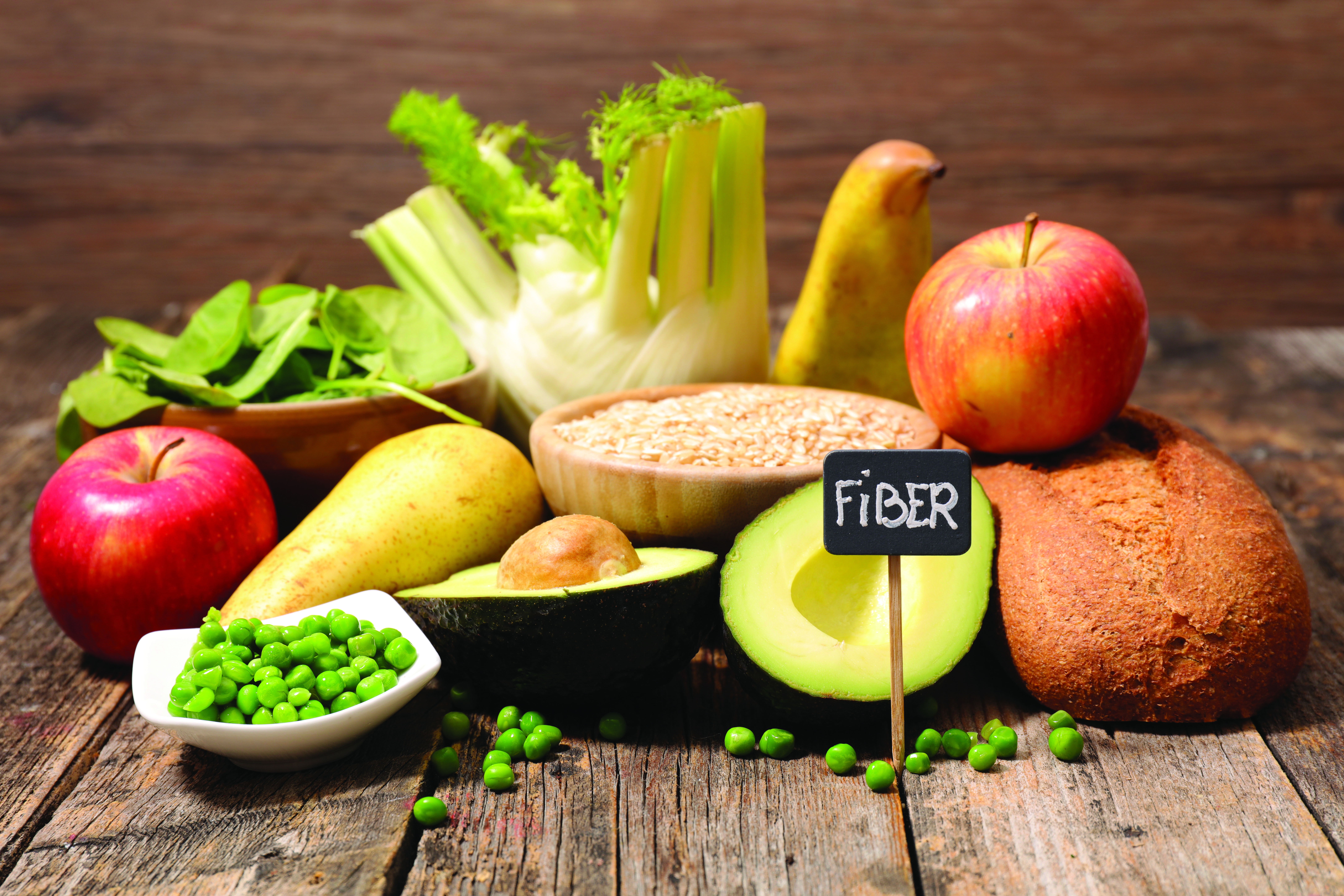
Get fiber from a variety of fruits, vegetables, legumes and whole grains.
Tips on adding more fiber to your child’s diet:
- Add high-fiber foods to every meal:
- Add berries to whole grain cereal and oatmeal
- Add cucumbers or leafy greens to a sandwich
- Add beans to soups, chili, salads and salsa
- Add strips of zucchini to whole grain pasta, chopped spinach to omelets, and grated cauliflower to brown rice dishes
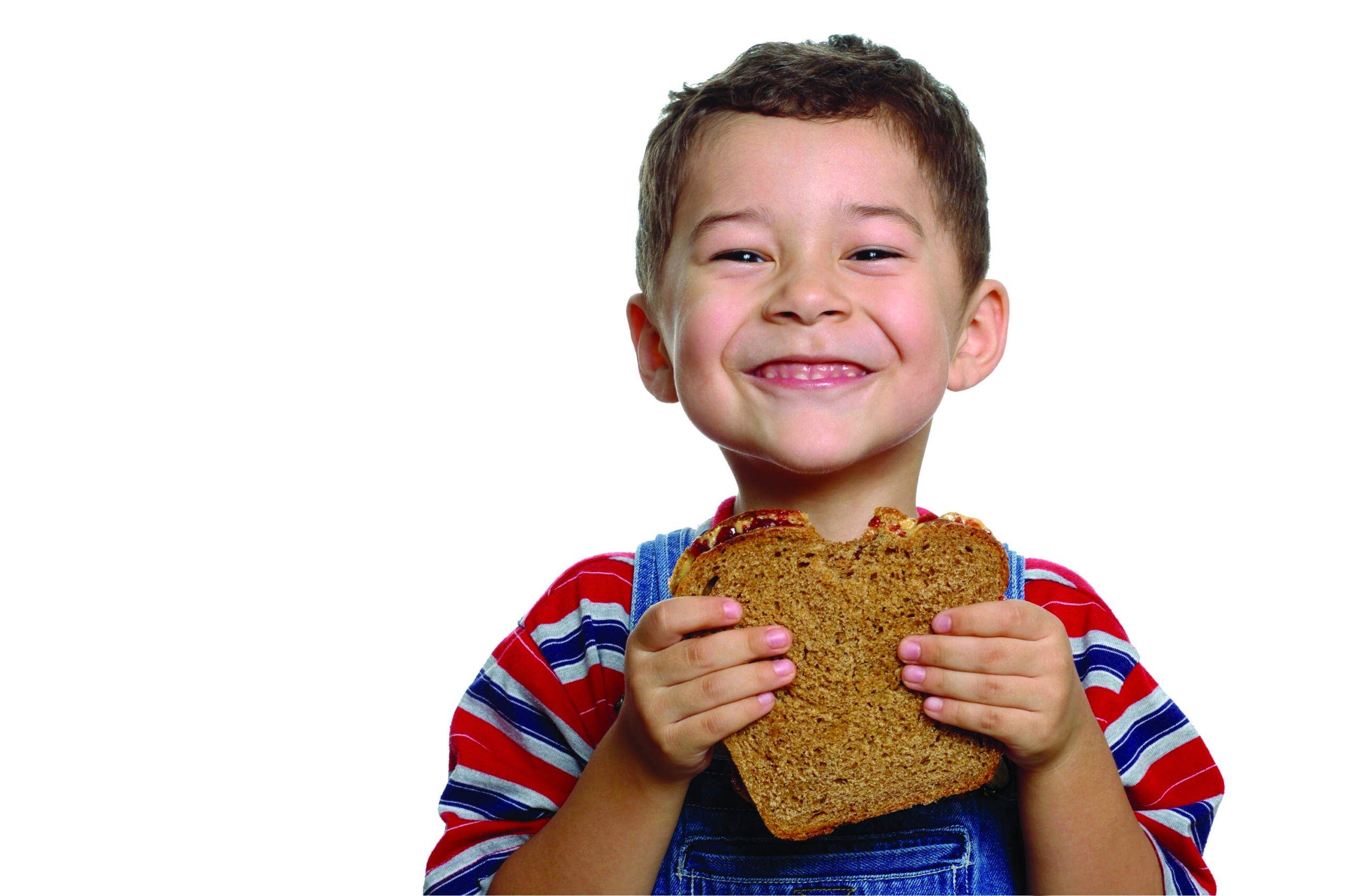
- Make half your grains whole:
- Make pancakes with whole wheat flour
- Use whole wheat bread for French toast, and whole wheat tortillas for wraps
- Helpful tips when increasing fiber intake:
- Your child should drink water and fluids throughout the day. Too much fiber and not enough fluids may cause constipation.
- Sometimes increasing fiber takes a little getting used to. Start increasing foods with fiber slowly to prevent any discomfort.
Ideas for high-fiber meals and snacks:
Breakfast
1 piece whole wheat French toast with 1⁄4 cup of berries (3g of fiber)
Snack
4 whole grain crackers with 1 oz. cheese (2 grams of fiber)
Lunch
Peanut butter and banana roll-up on a whole wheat tortilla (5g of fiber)
Snack
1⁄2 cup of sliced cucumbers with 2 tablespoons of hummus (1g of fiber)
Dinner
1 cup of chicken, broccoli, and whole wheat pasta (5g of fiber)
Form #255
This institution is an equal opportunity provider.
1-2 Year Old Feeding Guide #259
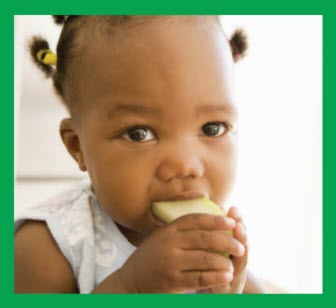
Help Me Find a Balance
I’m not a baby anymore!
I need to eat a variety of foods every day—just like you! The portion sizes may be smaller, but the balance of the food groups should be the same.
Now that I’m a toddler, I am ready to eat more table foods and drink less milk.
You can help me grow and stay healthy by trying some of these ideas:
- Scrambled eggs and cheese
- Rice, lentils and yogurt
- Homemade French toast or pancakes topped with fruit
- English muffin pizza
- Homemade soup or stew
- Mashed sweet potatoes
- Rice mixed with beans or spinach
- Veggie or black bean burgers
- Bread or rice pudding
- Rice with tofu and vegetables
- Hummus with pita bread and cucumbers
- Waffles with fruit
- Mashed green plantains
- Vegetable or meat dumplings
- Baked fish cakes and beans
- Boiled egg with mashed vegetables
- Cottage cheese or yogurt with fresh fruit
- Steamed broccoli or cauliflower with melted cheese
- 2 ounces of cooked meat, ground or diced with pasta
- Natural or unsweetened applesauce
Remember, you are my best teacher. I learn most of my eating habits and make my food choices by watching you!
Growing Up Means...
- Giving me a cup for all of my drinks, including milk.
- Feeding myself and maybe making a mess.
- Eating with the family. If we’re eating together, you can keep an eye on me.
- Trying new foods and textures—no more baby foods!
- Eating a lot on some days and a little on others.
- Learning to use a child-sized spoon and fork.
Help Me Adjust...
- Cut up my food into bite-sized pieces.
- I like routine. Serve me meals and snacks at the same time every day.
- Offer me new foods along with foods that I already like.
- If I’m interested in your plate, let me try new foods.
- Give me a balance of food and drinks. I only need 16-24 oz. of plain whole milk a day. Cheese and yogurt make great substitutes!
- Have patience when I explore new foods.
- Let me try foods you don’t like. I may like them!
- Let me decide when I am full.
- If I don’t like a food the first time, keep trying. I will grow to like it!
- Offer me water throughout the day, and no more than 4-6 oz. of 100% fruit juice. You can dilute the fruit juice with water!
Help Me Feel Good About Myself...
- Let me help in the kitchen.
- I can wash my hands with soap and water before we start preparing and eating food.
- I can help you pour or dump ingredients into the mixing bowl.
- I can help you put bread into the toaster.
- Let me help pick out fruits and vegetables in the supermarket.
- Turn off the TV while we eat.
- Let’s take more walks together as a family.
- Sing, dance and listen to music with me!

Form #259
This institution is an equal opportunity provider.
Do You Know What's in Your Beverage? #387
Have you ever wondered if some drinks are as healthy as they claim to be?
If so, you’re not alone! Labels on these items can make them seem like good choices, but they can contain large amounts of sugar, caffeine, artificial sweeteners, colors, and flavorings.
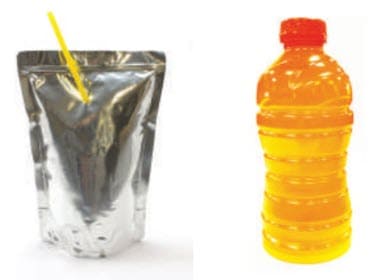
Juice Drinks and Sports Drinks
Ads for sports drinks can make it seem like you need these to stay hydrated, but most people don’t need them at all. Sports drinks and “juice drinks” are often just full of sugar and artificial ingredients.
Tips:
- Skip sports drinks and juice drinks.
- Limit kids to 4-6 oz. of 100% fruit juice a day.
- Plain water is the better choice!
Flavored Water and Sugar-Free Drinks
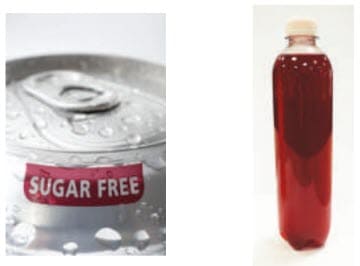
The words “lite,” “flavored,” “diet,” and “sugar-free” on the label of a flavored beverage often means it contains artificial sweeteners and other ingredients you don’t need. Artificial sweeteners can cause cravings for even sweeter, higher calorie foods.
Tips:
Flavor your water with:
- Oranges
- Lemons and limes
- Berries
- Cucumber slices
- Crushed mint
Energy Drinks and Flavored Coffees, Soda
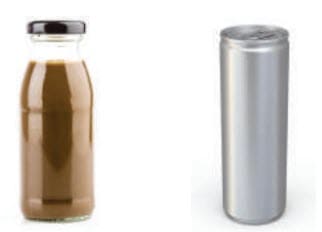
Energy drinks and flavored coffees claim to give you energy during the day. That’s because they (along with soda) can be loaded with caffeine, extra calories, sugar, and other unnecessary ingredients. While these may give you a short burst of energy, they will often end up making you feel more tired.
Tips:
- Make your own protein-packed smoothies with yogurt and fresh, frozen, or canned fruit in 100% juice or water.
- Try adding peanut butter or vegetables like spinach to give you more energy throughout the day.
Water is the best and most natural way to quench thirst.
Water doesn’t have any calories, artificial ingredients, or sugar!
Confused about what to buy?
Use these tips for reading labels to help you choose beverages for you and your family.
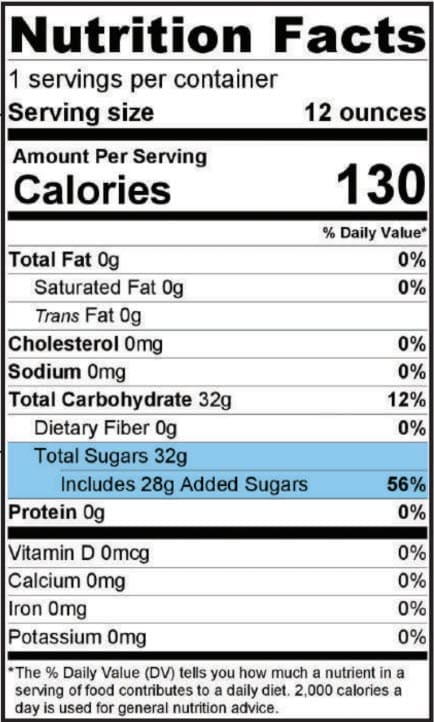
Serving Size
Serving Size is the amount of the beverage that the nutrition facts are based on. Be aware of the number of servings per container. You may be consuming more than you think!
Sugar
Sugar New food nutrition labels make it easier to see the sugar content. In this beverage, only 4 grams of sugar come from actual fruit. Most of the sugar (28 grams) is added!
Ingredients
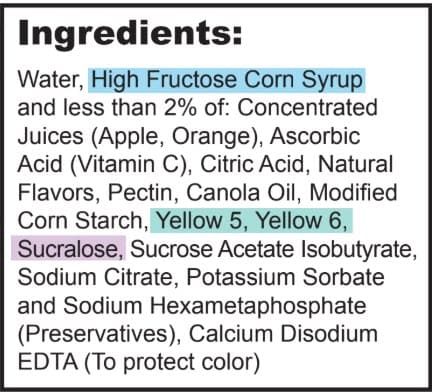
Ingredients are listed in decreasing order of quantity. This means that there is the largest amount of the first ingredient and the least amount of the last ingredient.
High Fructose Corn Syrup
High Fructose Corn Syrup is considered a form of sugar. It is a processed and refined sweetener made from corn starch. Products with high fructose corn syrup should be avoided.
Yellow 5 and Yellow 6
Yellow 5 and Yellow 6 are examples of artificial colors. These, along with artificial flavors, are unnecessary ingredients, especially for growing children.
Artificial Sweeteners
Artificial Sweeteners come in several different types. Be aware of beverages that have these. The following are all names for artificial sweetners: Sucralose, Aspartame, Acesulfame Potassium, and Saccharin.
Our Little Superhero (Iron) #338
Our little superhero...keep him that way with iron

Offer iron-rich foods today for a super tomorrow.
Iron is a mineral needed for making red blood cells that carry oxygen through the body. It helps prevent colds and flu, and keeps energy levels up.
Best Sources of Iron:
- WIC Cereals
- Meat (Beef, Chicken, Pork, Turkey, Lamb)
- Dried beans/Peas/Lentils
- Fish
- Nuts and Seeds
Good Sources of Iron:
- Baked Potato or Sweet Potato with skin
- Baked Beans
- Dried Fruit (Raisins, Apricots, Dates, Prunes)
- Tofu
- Dark, Leafy Green Vegetables, cooked (Spinach, Collard and Turnip Greens, Swiss Chard, Kale)
Fair Sources of Iron:
- Whole Grain Bread and other Enriched Bread
- Eggs
- Peanut Butter
Vitamin C helps your body use iron. Try these food combinations below:
The iron-rich foods are in green and the vitamin C-rich foods are in orange!
- Omelet with red and green peppers
- Brown rice and beans served with collard greens and tomatoes
- Grilled chicken served with broccoli and a baked potato
- Spinach salad topped with strawberries
- WIC cereal with a side of fruit such as grapefruit, cantaloupe, or orange slices
- Tuna fish sandwich and a side of kiwi slices
TH338
This institution is an equal opportunity provider.
Microwave Cooking Made Easy #301
Using your microwave to prepare healthy meals for your family is a great option! A microwave cooks food 3-4 times faster than a regular oven, and you don’t have to pre-heat it before using.
Here are recipes and tips for cooking common foods and using your microwave safely - more safety information is on the back. Always use a microwave-safe dish!
Fresh Vegetables
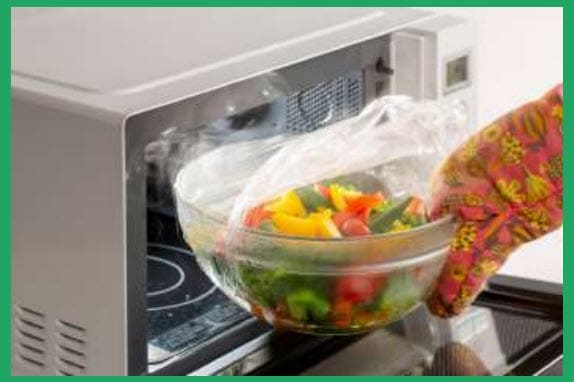
- Peel and remove stems or seeds if necessary. Chop into bite-sized pieces and place in a dish with 3-4 tablespoons of water and cover tightly.
- Microwave on high for 3-4 minutes. Remove lid carefully to avoid steam.
Fresh Corn 
- Place 1-2 ears of fresh corn, with the husk still on, in the microwave.
- Microwave for 3-5 minutes and carefully remove from the microwave using a towel or oven mitt.
- Let cool slightly and slip the husk off.
Fresh potatoes (regular or sweet) 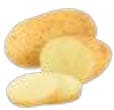
- Slice or keep whole. If keeping whole, prick the outside with a fork in several places so steam can escape. Place in a dish and microwave on high for about 5 minutes until soft; allow more time for additional potatoes.
- Turn the potatoes over and microwave on high for 5 more minutes.
Hardboiled eggs 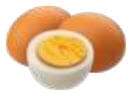
- Place eggs in a bowl and cover with hot tap water. Make sure to use a bowl that is deep so that the water does not overflow when boiling.
- Add a pinch of salt to the water for each egg. This will prevent the eggs from exploding.
- For 2 eggs, microwave for about 4 minutes.
- Let the eggs sit in the hot water in the microwave for an additional 3-6 minutes.
- Carefully remove the bowl from the microwave and drain the water.
- Crack the shells and run the eggs under cool water for easier peeling.
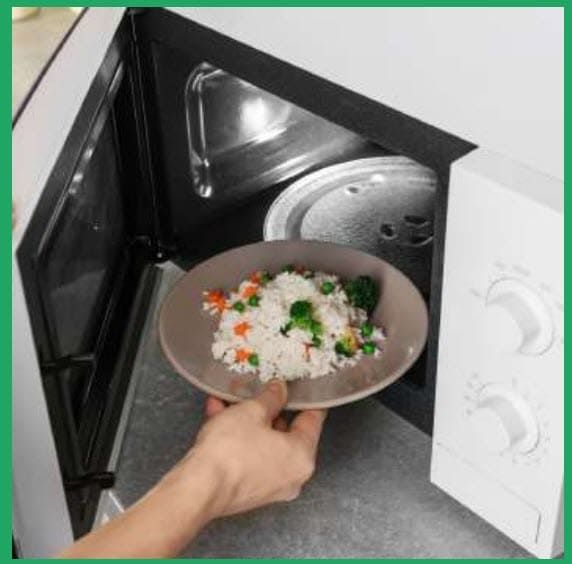
Rice
- Add rice to a bowl and pour water in until it reaches about an inch above the rice. Add fresh, frozen, or canned vegetables to your rice if desired. Cover loosely with a lid so that some steam can escape.
- Cook brown rice at medium power (50%) for about 15 minutes. Cook white rice at regular power for 9 minutes. “Quick cooking” rice will usually cook within 1-2 minutes.
- Let the rice sit for a few minutes before removing the lid. Cook rice for a little longer if water remains in the container.
Easy Oatmeal 
- For 1 serving: in a bowl, mix 1 packet or ½ cup of instant or quick-cooking oatmeal with about 2 tablespoons of water to hydrate the oats. Oatmeal can overflow during cooking, so make sure to use a large bowl. It also helps to cook in individual portions, rather than a big batch.
- Add about 1 cup of milk or about ½ can of evaporated milk (you can use water instead of milk)
- Add a pinch of salt, a little butter, cinnamon, and a touch of vanilla or almond extract for flavor.
- Mix well and cook for 1½ - 2 minutes and stir, then cook for another 1-3 minutes until cooked. Carefully remove oatmeal from the microwave with an oven mitt or towel.
Microwave Cooking Tips and Safety Information
- Only use cookware that is made to be used in the microwave. Glass and ceramic containers are best. Avoid microwaving in plastic containers because it can cause chemicals to leak into food. You should never microwave food in plastic food packaging (like a yogurt tub) that is not marked as microwave safe.
- Never use these in the microwave: cold storage containers such as yogurt or butter tubs, brown paper bags, metal pans, foam plates or cups, aluminum foil, and foods that were previously cooked in a container that has warped or melted during heating. Some paper towels and paper plates are safe to use in the microwave; check the package label to make sure.
- Stir food while cooking or heating to prevent uneven cooking. Always stir liquids heated in the microwave before drinking to make sure you don’t get hot spots. This is why baby bottles should never be heated in the microwave!
- Covering foods will help food cook faster and prevent splattering. Cover loosely with a microwave-safe lid or plastic wrap (cut vents to allow steam to escape). Plastic wrap should be pulled tightly across the dish so that it doesn’t touch the food.
- Certain foods can explode in the microwave. Pierce potatoes, squash, tomatoes, and egg yolks a few times with a fork before and during cooking to release steam.
- Clean your microwave regularly so food doesn’t become dried on and hard to clean. Wipe with a damp cloth or paper towel.
- Don't leave your microwave unattended while cooking. Overcooking can cause food to burn. If that happens, turn off and unplug the microwave but leave the door closed.
 YES
YES
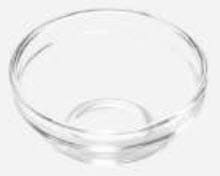
Glass dishes
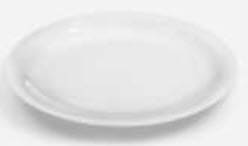
Ceramic dishes
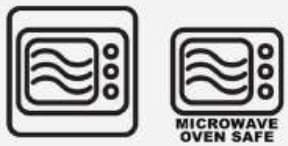
Anything with a microwave safe symbol
 NO
NO
Plastic containers like yogurt or butter tubs
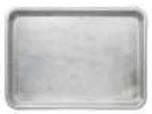
Metal such as baking pans
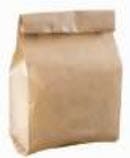
Brown paper bags
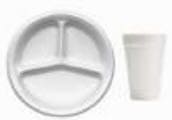
Plastic and styrofoam plates and cups
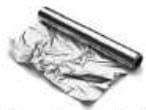
Aluminum foil

Form# 301
This institution is an equal opportunity provider.
WIC Choices for Haitian Cuisine #261
WIC offers many food choices! You can use your WIC benefits to purchase foods that are familiar to you and your family, or to try new ones! During your WIC appointment, ask your WIC nutritionist to review the complete WIC food guide for more options and information.
Fruits & Vegetables

Pineapple, Avocado, Cassava, Leeks, Sweet potato
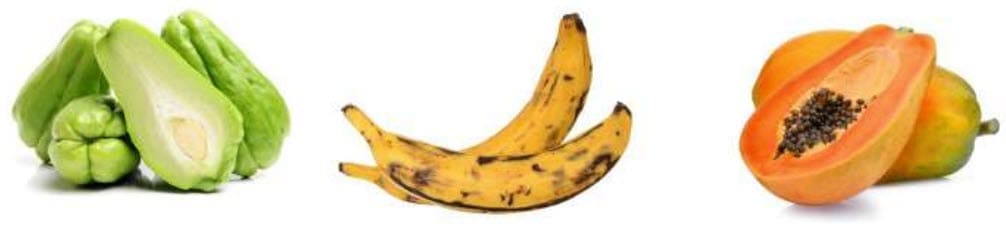
Chayote, Plantain, Papaya
Allowed:
- Fresh or frozen
- Whole, cut, bagged, or packaged
- Organic or non-organic
Whole Grains
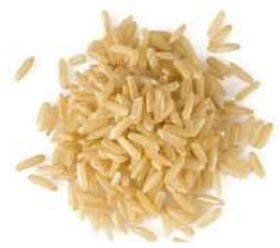
Brown rice
Other options: whole wheat pasta, bread, and English muffins, oatmeal, and whole wheat or whole grain bagels, buns, and rolls.
Cereal
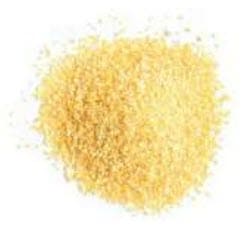
Grits
Beans

Kidney beans, Chickpeas, Black beans, White beans
Options: dried or canned beans, lentils, or peas
Dairy
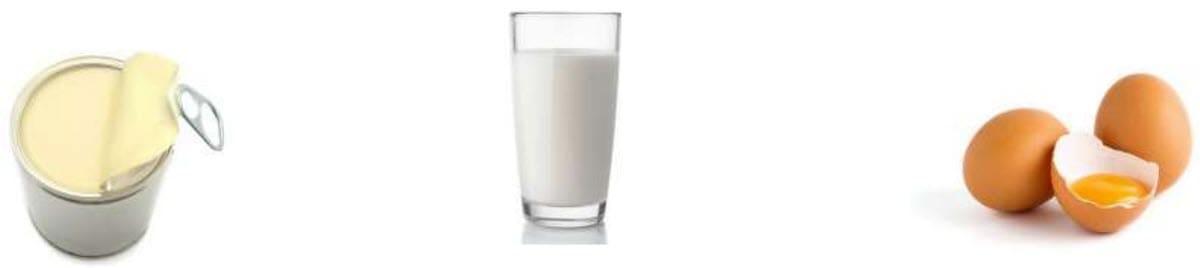
Evaporated milk, Milk, Eggs
Other options:
- Cheese – American, Colby, Cheddar, Monterey Jack, Mozzarella, Muenster
- Yogurt
- Tofu
This institution is an equal opportunity provider.
#261
Shopping on a Budget #382
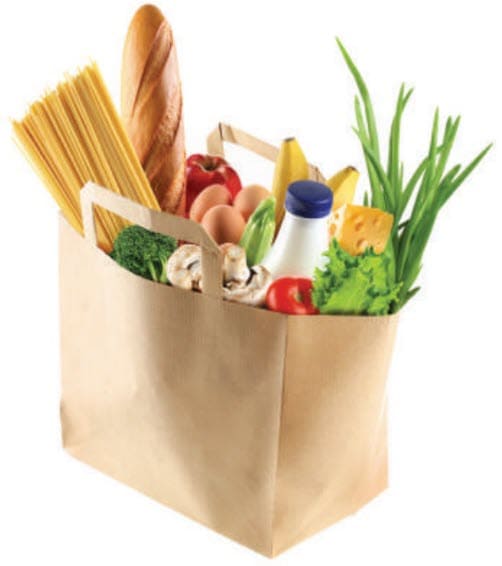
Know the amount of money you have to
spend on food and follow a budget before you
go to the grocery store. These tips will help!
- Plan your meals and shopping ahead of time. Make a list and stick to it. Make good use of your WIC benefits and use your SNAP benefits for foods WIC does not cover.
- Visit the local food pantry for foods such as canned fruits, vegetables and boxes of pasta.
- Healthy foods can be affordable! Vegetables and fruits usually cost less when they are in season, and try frozen versions—they can be just as healthy as fresh. Also try dried beans/peas and whole grains, like brown rice.
- When possible, buy large quantities of a food item and portion it out in smaller amounts to freeze and cook at a later time.
- Check for coupons and sales in the local grocery store fliers or online, searching by brand name of your favorite food items.
- Compare the prices of different brands of the same product. Even if you are using a coupon for a name brand item, you can often buy the store brand for less.
- Remember that convenience items are more expensive. Pre-seasoned and pre-cut foods are more expensive because the more work that is done, the more it will cost you.
- Focus on the outside aisles. Those items (produce, meat and dairy) tend to be less expensive and healthier than the convenience items that are in the center aisles.
- Look for specials on discounted items, like end cuts of meat and day-old bread and produce that still taste great and can be used in many recipes.
- Never go to the grocery store hungry—you may be tempted to buy more than you need!
A HEALTHY BUDGET
For every $25 dollars of your food budget, experts suggest you spend it in the following way:
- $6 for vegetables
- $5 for fruits
- $4 for grains
- $4-5 for proteins
- $4 for dairy
- $1-2 for oils and other foods
(Adapted from the Environmental Working Group)
Here are some recipes that use WIC foods.
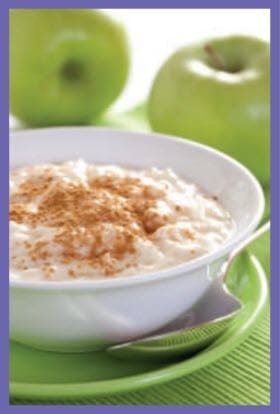
Morning Rice
2 servings
Ingredients
- 1 cup cooked brown rice
- 1⁄2 cup low-fat milk
- 1 apple, peeled, cored, and finely chopped
- 1⁄2 teaspoon vanilla extract
- 1⁄4 teaspoon cinnamon
Preparation
- Mix all ingredients in a microwave-safe bowl. Add more milk for a creamier texture.
- Microwave on high heat for 1-2 minutes or until heated through.
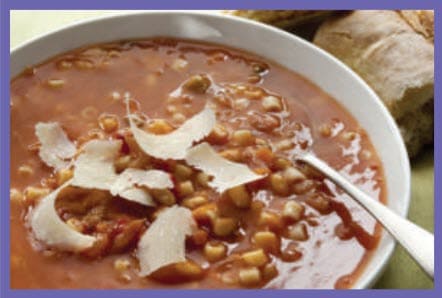
Pasta & Bean Soup
6 servings
Ingredients
- 1 1⁄2 tablespoons olive oil
- 1 large onion, chopped
- 6 garlic cloves, chopped
- 1 (28-oz) can crushed tomatoes
- 2 (14 1⁄2-oz) cans low-sodium chicken broth
- 1 cup cooked whole wheat pasta
- 1 (16-oz) can white kidney beans, rinsed and drained
- Pepper to taste
- 1⁄4 cup chopped cilantro
- 1⁄4 cup grated cheese
Preparation
- Sauté the onion and garlic in olive oil for a few minutes over medium heat.
- Add the tomatoes, chicken broth and pepper.
- Cook on low for 20 minutes.
- Add the cooked pasta and beans.
- Heat through.
- Sprinkle with cilantro and grated cheese and serve hot.
Recipes adapted with permission from the California WIC Program
This institution is an equal opportunity provider.
Form #382
Living in Temporary Housing #298
Feeding Your Family While Living in Temporary Housing

To find food sources in your community, call Project Bread’s toll-free FoodSource Hotline: 1-800-645-8333 or TTY line 1-800-377-1292

You can create healthy meals for your family
no matter where you live.
• Pre‑packaged or canned pudding*
• Low-sodium soups and stews*
• Peanut butter, unsalted nuts and seeds
• Dried fruit
• Applesauce cups (unsweetened)*
• Fresh fruit*
• Tomato or pasta sauce*
• Fresh vegetables*
• Bagels, muffins, corn bread
• Cereal bars or granola bars
• Instant brown rice
• Ready-to-eat cereal, hot or cold
• Whole wheat or corn soft tortillas*
• Crackers, rice cakes, popcorn (unbuttered), pretzels
• 100% fruit and vegetable juice boxes or bottles*
• Ketchup, mustard, other condiments
• Sugar, spices, seasonings
• Grated hard cheese (Parmesan, Romano)
*Refrigerate after opening or preparing
Recipes
No-Cook Oatmeal
Ingredients
- 1⁄2 cup uncooked oats
- 1⁄2 cup milk
- Handful of dried fruit (raisins, apricots, currants, cranberries, or dates)
- Handful of nuts (almonds, walnuts, peanuts, cashews)
Preparation
- Mix ingredients together in a bowl.
- Place in refrigerator overnight.
- Enjoy for breakfast the next morning.
Microwave until warm, if desired.
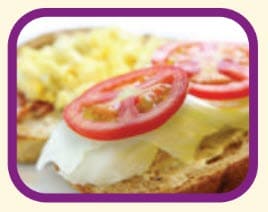
Easy Egg Sandwich
Ingredients
- 1 slice of whole wheat bread (or 1 tortilla)
- 2 eggs
- Sliced or chopped tomatoes
- 1 tablespoon of any kind of cheese
Preparation
- Beat eggs in bowl to break yolks.
- Cook in the microwave for 45 seconds to 1 minute. Take out of microwave and stir.
Place back in microwave and cook for another 30 seconds. - When done (eggs should be fluffy and not runny), place eggs on one slice of bread or tortilla.
- Top with cheese and tomatoes.
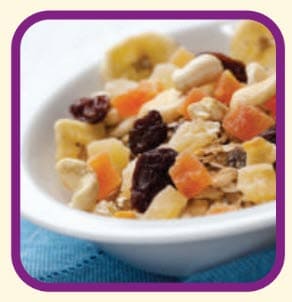
Homemade Trail Mix
Ingredients
- Frosted Mini Wheats (or other WIC cereal)
- Pretzels
- Dried fruit
- Cashews or other nuts
- Chocolate chips
Preparation
- Mix ingredients in a bag or bowl.
- Serve as a snack.
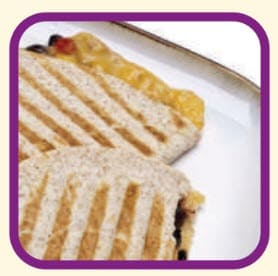
Cheese and Bean Quesadillas
Ingredients
- 2 whole wheat or corn tortillas
- 1 can of black beans (drained and rinsed)
- 1 box of chopped frozen spinach (defrosted and squeezed dry)
- Chopped tomato
- Cheddar or Monterey Jack cheese
Preparation
- Place one tortilla on a plate.
- Spread spinach, cheese, beans and tomatoes on the tortilla. Use as much or as little as you like.
Add other vegetables, as desired. - Top with second tortilla.
- Heat in microwave until the cheese is melted and the quesadilla is warmed throughout.
- Slice warm quesadilla into pie sections like a pizza.
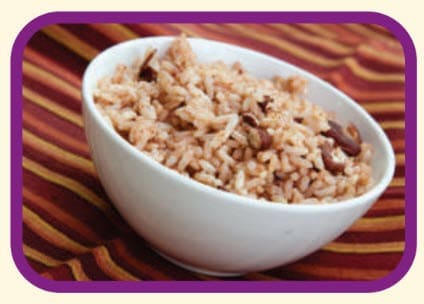
Instant Rice and Beans
(makes 4 servings)
Ingredients
- 2 cups of instant brown rice
- 1 3⁄4 cups of water
- 1 can of beans
Preparation
- Place water and rice in microwave-safe bowl.
If desired, add salt and pepper to taste. - Cover. Microwave on HIGH for 9 minutes.
- Let stand 5 minutes or until water is absorbed.
Fluff with fork and add beans. - You can also mix in extra leftover beans that were not used for quesadillas.
Tasty Sandwich Ideas
- Add raisins or sliced bananas to a peanut butter sandwich on whole wheat bread.
- Spread bread with mustard. Top with cheddar cheese and several apple slices.
- Serve leftover cooked rice and beans, shredded Cheddar or Monterey Jack cheese, and chopped tomatoes in a wrap.
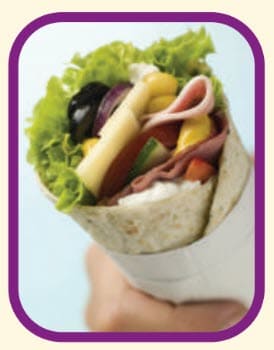
- Spread hummus on a whole wheat tortilla, and top with any raw vegetables that you have on hand (chopped carrots, lettuce, tomatoes).
- Cube mozzarella string cheese and toss with cherry tomatoes and a spoonful of salad dressing. Place the mixture in a tortilla.
Fruits & Vegetables That Can be Stored Outside the Refrigerator
- Avocados
- Bananas
- Kiwi fruit
- Cantaloupe
- Onions
- Garlic
- Honeydew Melons
- Mangoes
- Nectarines
- Lemons and Limes
- Papayas
- Peaches
- Pears
- Pineapples
- PlantainsPlums
- Sweet Potatoes/Potatoes/Yams
- Tomatoes
- Winter Squash
If any of these fruits or vegetables are unfamiliar to you, talk to your WIC Nutritionist for new ways to include them in your meals!
Feeding Babies
Breast milk
- Freshly expressed breast milk can be left at room temperature for 4 hours, but it is better to refrigerate or chill breast milk as soon as you can, if you know you won’t be using it right away.
When refrigeration isn’t available, a small cooler with ice or a frozen gel pack may be used to keep the milk chilled until it can be frozen or refrigerated. - Discard any breast milk leftover in the bottle after a feeding.
Formula
- If there is no access to a refrigerator use powdered infant formula or 8-oz cans of ready-to-feed formula instead of 32-oz ready-to-feed cans or concentrate formula.
- If powdered formula is used, prepare one bottle at a time. Make only the amount of formula that the infant needs for one feeding. Read the label carefully on the formula cans for instructions.
- Use formula immediately.
- Discard any formula left in the bottle after a feeding or formula that has been sitting at room temperature for more than one hour.
Making the Most of Your WIC and SNAP Benefits #390
WIC & SNAP Benefits
Making the Most of Your Food and Nutrition Resources
WIC & SNAP both offer monthly food benefits that help you feed your family and meet your nutrition goals!
Whether you are receiving benefits from one or both programs, there are a few things you can do to make sure you are making the most of your benefits the next time you shop for groceries.
Before You Shop
- When creating your grocery list each week, organize it by noting which foods you can purchase with WIC and which foods you can purchase with SNAP. You may want to check your remaining WIC benefits on the WICShopper mobile app just to be sure!
- Visit the customer service desk or any cash register at the store to check your balance of WIC benefits if you don’t have a smartphone.

While You Shop
- If you are not sure if an item is WIC-approved, scan it using the WICShopper App.
Checking Out
- Place all your items together, in any order, on the checkout counter.
Note: At small grocery stores (with 1-2 cash registers) the orders need to be separated. - Give the cashier your coupons and/or store savings card first.
- When the cashier tells you, swipe your WIC card first, and THEN your SNAP card.
- Lastly, don’t forget to purchase all of your WIC foods before your benefit period expires, since they will not roll over to the next month! SNAP benefits stay on the account for 365 days.
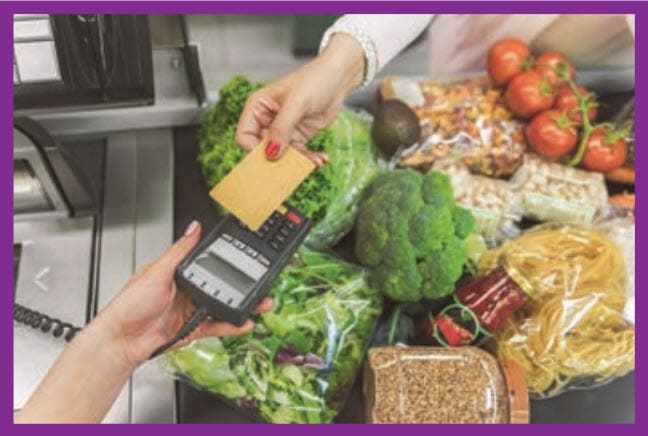
Paying for your groceries with WIC and SNAP is simple. Just remember to always swipe your WIC card first, and THEN your SNAP card!
WIC & SNAP Benefits
Using WIC and SNAP together will provide your family with a wider variety of healthy foods each month, since there are differences in the foods you can purchase with each program.
Let WIC and SNAP stretch your food budget together!
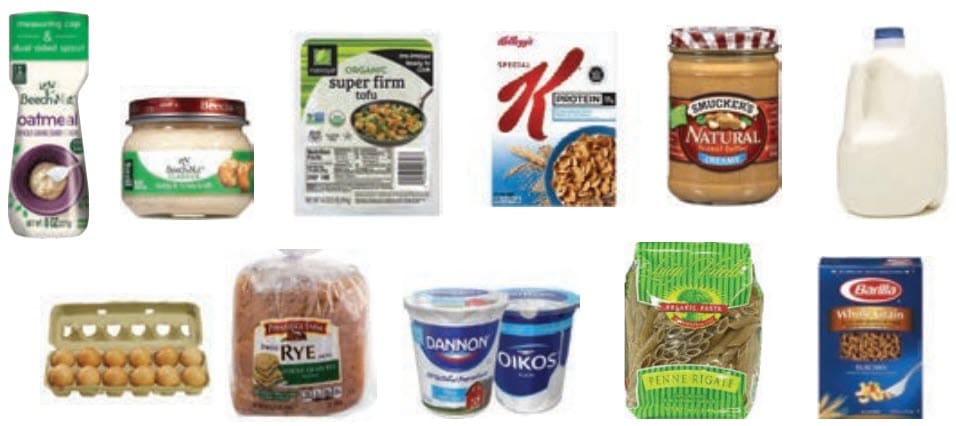
What Does WIC Offer?
- Milk, cheese, and yogurt
- Hot or cold cereal
- Whole grains, such as bread, rice, pasta, and tortillas
- Peanut butter, beans, eggs, and tofu
- 100% fruit & vegetable juices
- Infant foods
- Canned fish for certain categories of participants
- $ for fresh, frozen, or canned fruits and vegetables
Use WIC to purchase these types of foods
What Does SNAP Offer?
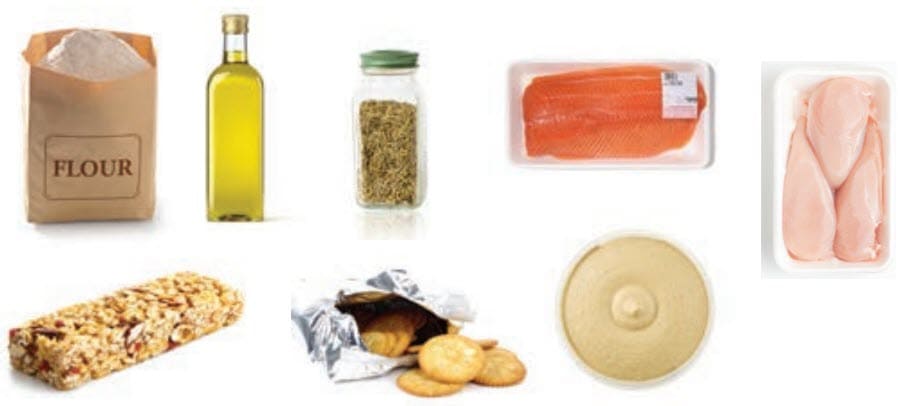
You can purchase most staple foods at the grocery store using SNAP, including basic foods that are typically prepared at home and eaten as a meal.
Use your SNAP card to purchase foods that you cannot purchase with WIC. A few examples include cooking oil, spices, baking ingredients, healthy snacks, meat, and frozen meals.
Use SNAP to purchase these types of foods
How can the WICShopper mobile app help you?
The WICShopper mobile app is the best way to keep track of your monthly food benefits and WIC appointments, as well as:
- Check which foods you have left to purchase during the month.
- Scan foods in store to determine if you can purchase items.
- Locate WIC authorized stores.
- Get answers to important nutrition questions for your family.
- Explore many delicious recipes that will help you use the healthy foods you purchased.
- Get important alerts related to COVID-19 and other timely topics.
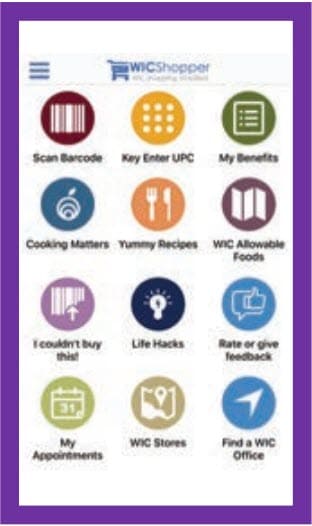
The WICShopper app is available for the iPhone and Android mobile devices
This institution is an equal opportunity provider.
Form #390
Quick Tips for Keeping Food Safe #302
Keeping food safe is important to help prevent illness.
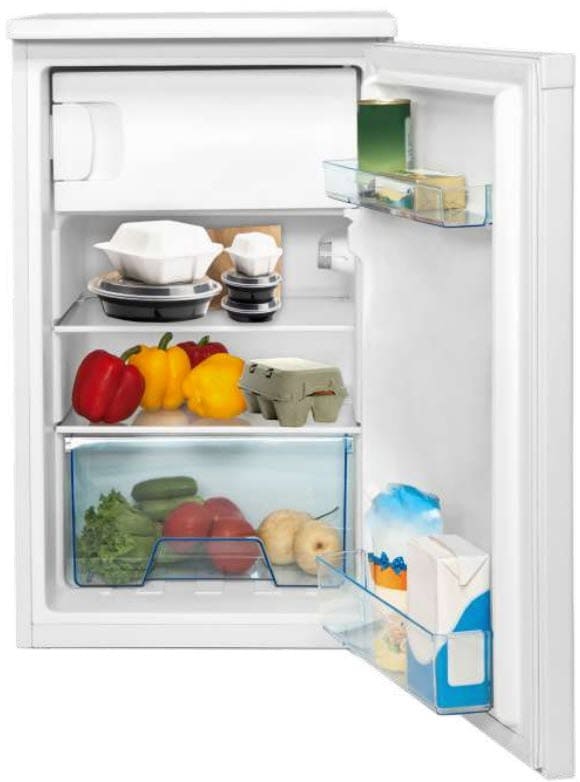
KEEPING FOOD COLD
Prepared, cooked, and fresh foods should not be left out at room temperature for more than 2 hours.
Keep these foods refrigerated:
- Cooked or leftover foods
- Milk, meat, eggs, yogurt, and cheese
- Cut or peeled fruits and vegetables
- Opened jars and bottles

Refrigerators should be set to 40°F (4.4°C) or lower.
Freezers should be at 0°F (-18°C) or lower.
CHECKING YOUR FOOD
- Check all foods for signs of spoilage such as mold, slime, or bad odors.
- If cans have leaks, bulges, puffed ends, rust spots, or are badly dented, throw them out.
- Do not use eggs with cracked shells.
PREPARING FOOD
- Always wash your hands with soap and warm water before handling or serving food. Cover any cuts or sores before handling food.
- Wash all fresh fruits and vegetables under cold running water before eating and/or cooking.
- Rinse the tops of cans under running water before opening.
- Wash hands, utensils, cutting boards and countertops after preparing food.
- Reheat all foods until steaming hot.
- Cook meat until it is completely cooked through and the juices run clear.
- Cook eggs until the yolks are firm.

This institution is an equal opportunity provider.
Form #302
MyPlate for Preschoolers #321
HEALTHY EATING FOR PRESCHOOLERS
Get your child to the path of healthy eating.
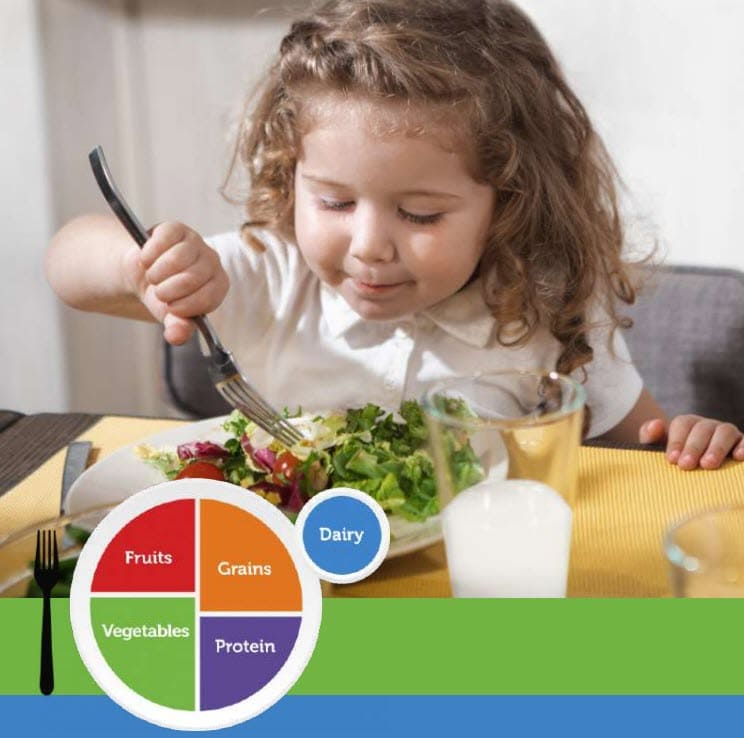
Focus on the meal and each other.
Your child learns by watching you. Children are likely to copy your table manners, your likes and dislikes, and your willingness to try new foods.
Offer a variety of healthy foods.
Let your child choose how much to eat. Children are more likely to enjoy a food when eating it is their own choice.
Be patient with your child.
Sometimes new foods take time. Give children a taste at first and be patient with them. Offer new foods many times.
Let your children serve themselves.
Teach your children to take small amounts at first. Let them know they can get more if they are still hungry.
• ½ cup mashed, sliced or chopped fruit
• ½ cup 100% fruit juice
• ½ medium banana
• 4 - 5 large strawberries
• ½ cup mashed, sliced or chopped vegetables
• 1 cup raw leafy greens
• ½ cup vegetable juice
• 1 small ear of corn
• 1 slice bread
• 1 cup ready-to-eat cereal flakes
• ½ cooked rice or pasta
• 1 tortilla (6” across)
• 1 ounce cooked meat, poultry or seafood
• 1 egg
• 1 tablespoon peanut butter
• ¼ cup cooked beans or peas (kidney, pinto, lentils)
• ½ cup milk
• 4 ounces yogurt
• ¾ ounce cheese
• 1 string cheese
HELPFUL TIPS:
- These food plans are based on average needs. Do not be concerned if your child does not eat the exact amounts suggested. Your child may need more or less than average. For example, food needs increase during growth spurts.
- Children’s appetites vary from day to day. Some days they may eat less than these amounts; other days they may want more. Offer these amounts and let your child decide how much to eat.
- Some foods are easy for your child to choke on while eating. Skip hard, small, or whole foods, such as popcorn, nuts, seeds and hard candy. Cut up foods such as hot dogs, grapes, and raw carrots into pieces smaller than the size of your child’s throat — about the size of a nickel.
- For more information on feeding your preschooler, visit https://www.myplate.gov/life-stages/preschoolers
This institution is an equal opportunity provider.
Adapted from the USDA
Form #321
Pregnancy
Click the plus symbol (+) next to each tip to learn more
Your Quick Guide to Pregnancy #275
WIC is here to support you while you are pregnant! Taking care of yourself during pregnancy is important for you and your baby.
Make your pregnancy a healthy one by:
- Visiting your health care provider for regular checkups.
- Visiting the dentist. Did you know that being pregnant puts you at a greater risk of gingivitis and tooth decay?
- Including a healthy variety of foods from each of the food groups daily.
- Avoiding tobacco, alcohol, marijuana, and illegal drugs.
- Taking a prenatal vitamin daily.
- Gaining a healthy amount of weight.
- Knowing your HIV status.
How You Feel

It is common not to feel your best in the first few weeks of your pregnancy. Many women have what is called morning sickness, which can include nausea and vomiting. Although morning sickness sounds like it just happens in the morning, it can actually happen at any time of the day.
Heartburn and constipation are other common symptoms of pregnancy and they are considered a normal part of a healthy pregnancy - but there are things you can do to feel better. The following are some mom-to-be tested tips that may help. If symptoms don’t go away or get worse, talk with your WIC nutritionist or medical provider.
Nausea and/or vomiting
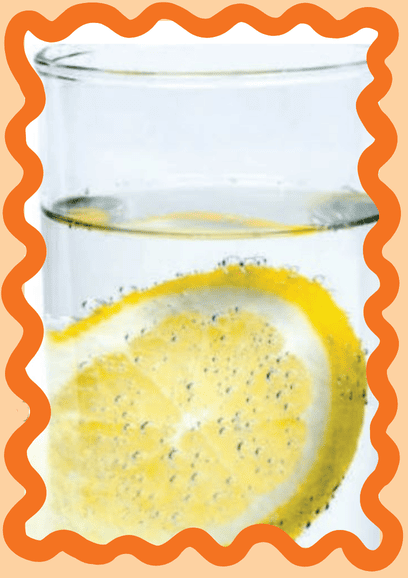
- Drink small amounts of liquid between meals rather than with meals. Try cold water flavored with lemon juice.
- Eat small meals frequently throughout the day.
- Avoid smells that bother you; the smell of cooking certain foods may cause nausea.
- Take your prenatal vitamin with a snack at night if it makes you feel sick.
- Drink ginger ale made with real ginger or ginger tea, or snack on crystalized ginger pieces.
- Eat toast, crackers or dry cereal before getting out of bed.
- Focus on the foods you can tolerate.
- Limit fatty foods.
- Eat slowly.
Constipation
- Enjoy high-fiber foods such as vegetables, whole grains, fruit, bran cereal, and beans such as kidney or pinto.
- Drink at least 8 glasses of water daily.
- Be active every day.
Talk to your medical provider before taking laxatives.
Heartburn
- Changes in your body can lead to heartburn, which is a burning feeling in your chest.
- Wait at least 2-3 hours after eating before lying down.
- Limit drinks with caffeine like coffee, tea or soda.
- Eat small meals frequently throughout the day.
- Drink small amounts of liquids between meals rather than with meals.
- Pass up greasy, fried and spicy foods.
- Elevate your head while sleeping.
- Suck on hard candies.
- Walk after you eat.
- Eat slowly.
Talk to your medical provider before taking antacids.
Weight Gain for You & Your Baby
Gaining weight is a natural and healthy part of pregnancy, as your baby begins to grow. The amount of weight you should gain depends on your weight before you were pregnant.
Although your healthy food choices are helping your baby to develop, you may notice less than a 5-pound weight gain during your first trimester.
You will want to gain weight gradually during your pregnancy, with most of the weight gained in the 2nd and 3rd trimesters.
Your recommended total weight gain is:
Most women need the same amount of calories in the first trimester as they did before pregnancy. In the last 6 months of pregnancy, most women need an extra 300 calories per day.
Ask your WIC nutritionist for tips on what foods you can add to your diet to get the calories and nutrients you need to gain the right amount of weight for you and your baby.
What if you are gaining too much weight?
- Eat a variety of healthy foods. See the ‘What to Eat’ section for ideas.
- Limit sweets, fatty foods, soda, juice and juice drinks.
- Keep active. Ask your doctor if you have any questions about the amount of physical activity you can do.
- Drink about 8 glasses of water each day.
What if you are gaining too little weight?
- Get a calorie boost by adding peanut butter, cheese, egg, avocado, olive oil or chopped nuts to foods you eat.
- Try a milkshake or a fruit smoothie as a mid-day snack.
- Eat small meals frequently throughout the day.
Gaining the Right Amount of Weight... Building Blocks for Baby and Beyond!
You might think that gaining the right amount of weight during pregnancy is only important for a healthy newborn and to make it easier for mom to get to a healthy weight after delivery. But there’s more to it than that!
Studies show that gaining the right amount of weight during pregnancy builds a healthy future for your baby. You can actually decrease her risk of obesity, diabetes, heart disease, and other conditions when she is older.
Where does the weight I gain go?
The weight you gain helps your baby to grow and gets your body ready for your delivery!
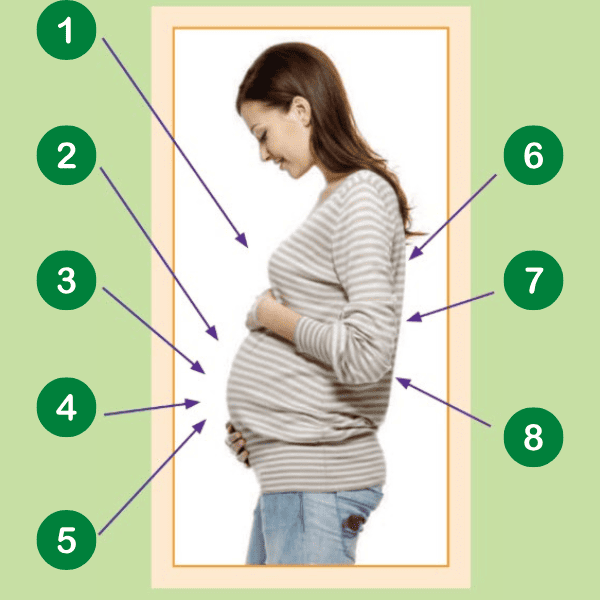
- Breast tissue = 2 lbs.
- Amniotic fluid = 2 lbs.
- Baby = 7.5 lbs.
- Placenta = 1.5 lbs.
- Uterus = 2 lbs.
- Blood supply = 4 lbs.
- Fat stores = 7 lbs.
- Extra tissue fluid = 4 lbs.
What to Eat
Variety is key! Eating a healthy range of foods is important for you and your growing baby. The types of foods you eat while pregnant can affect your baby’s growth and development, birth weight, teeth, brain cells, bones, eyes, muscles and blood.
Eating foods from all of the food groups offers you important nutritional benefits such as:
- Fiber
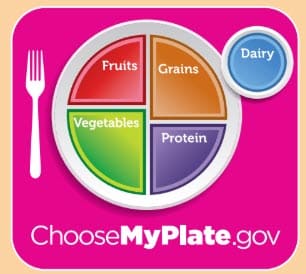
- B-vitamins and Folate
- Minerals like Iron, Potassium, and Zinc
- Vitamin D and Calcium
- Vitamin C
- Vitamin A
Check with your WIC nutritionist for more information.
Grains
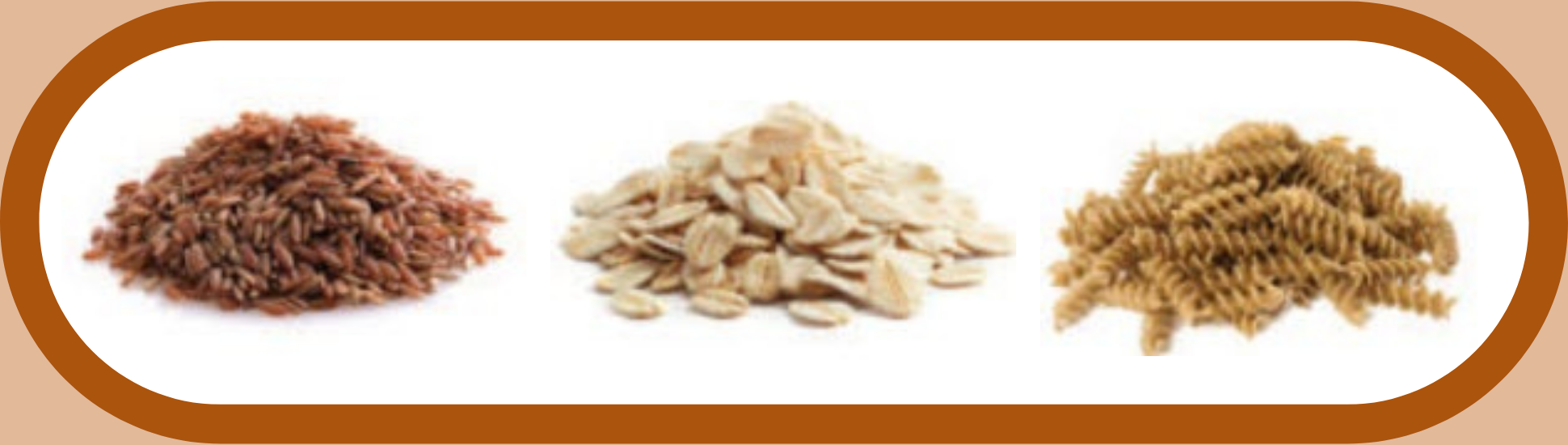
Make at least half your grains whole!
Tips:
Look for 100% whole wheat or whole grain on the label. Not all “wheat” products are whole wheat.
Try having 1 serving of whole grains at every meal; it might be easier than you think! WIC has many options to choose from.
Enjoy 6 – 8 oz each day.
What equals 1 oz?
- 1 slice of 100% whole wheat bread
- 1 small whole wheat tortilla
- 1 cup whole grain cereal
- 1⁄2 cup brown rice
- 1⁄2 cup whole wheat pasta
- 5 – 6 whole grain crackers
Vegetables

Vary your veggies!
Tips:
Frozen and canned vegetables are great options for quick cooking. Use them in soups and stews, or sauté them in a pan with your favorite seasonings!
Try chopping up raw veggies such as carrots, celery, and peppers at the beginning of the week. Keep them available for easy snacking!
Enjoy 2 1⁄2 – 3 cups each day.
What counts as 1 cup?
- 1 cup raw, cooked, or canned vegetables
- 2 cups raw, leafy greens
- 1 cup vegetable juice
Fruits

Focus on fruits!
Tips:
Eat a variety of fruits by choosing different colors.
Add frozen fruit to your oatmeal and microwave.
Enjoy sliced fruit in your yogurt or have it for a snack.
Fruit is sweet – have some for dessert!
Enjoy 2 cups each day.
What counts as 1 cup?
- 1 small or 1⁄2 large piece of fruit
- 1 cup cut-up fresh or frozen fruit
- 1 cup canned fruit (canned in 100% juice or water)
- 1 cup 100% fruit juice
- 1⁄2 cup dried fruit
Dairy
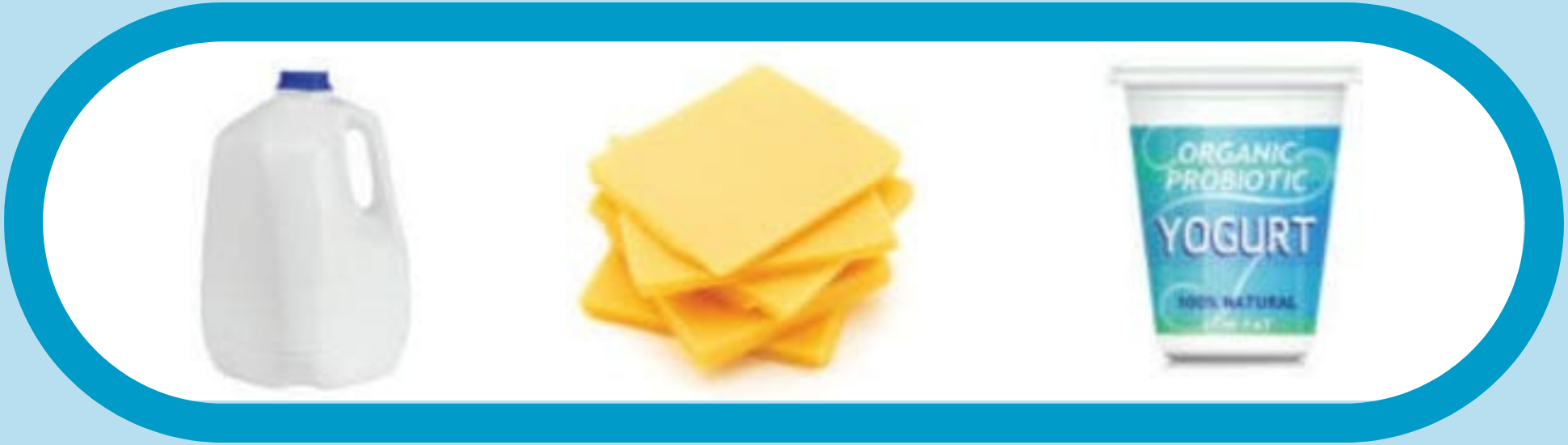
Choose low-fat or non-fat.
Tips:
Add milk, yogurt, or cheese to soups and stews.
Blend milk or yogurt with frozen fruit for your morning smoothie. Use soy milk for a non-dairy option.
Enjoy a slice of cheese with a small apple for a delicious snack!
Enjoy 3 cups each day.
What counts as 1 cup?
- 1 cup milk or yogurt
- 1 1⁄2 oz cheese or 2 oz processed cheese (such as American)
- 1 cup calcium-fortified soymilk
- 1⁄2 cup evaporated milk
- 1⁄2 cup calcium-fortified tofu
Protein
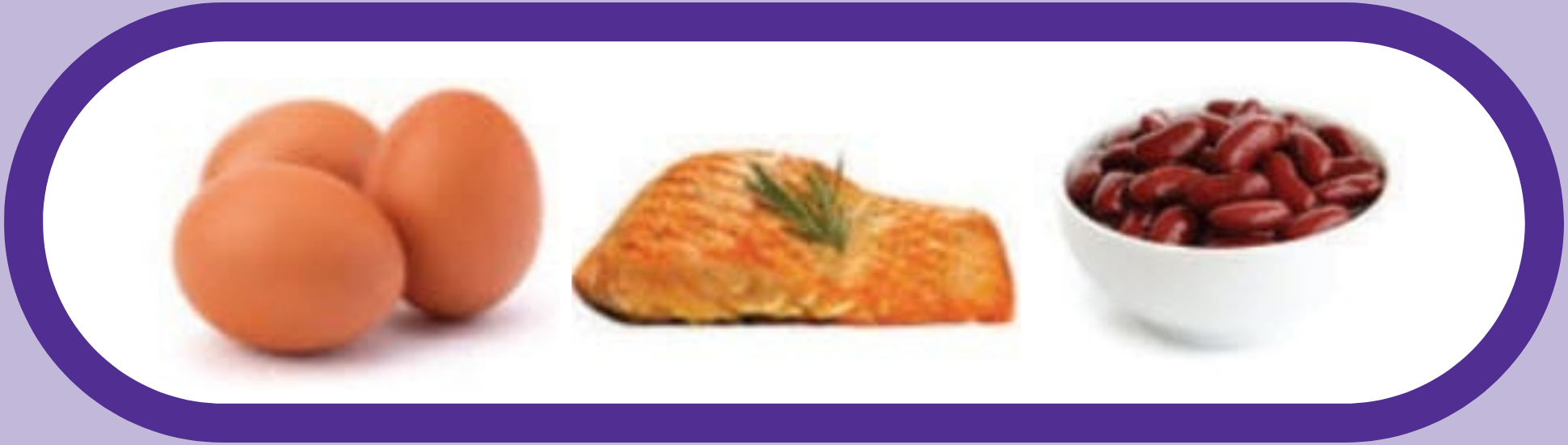
Go lean with protein!
Tips:
Choose low-fat and lean pieces of meat and poultry.
For extra protein and fiber, add beans to brown rice, sautéed vegetables, or your favorite soup or casserole.
A 3-oz serving of meat, poultry or fish is about the size of your palm.
Enjoy 5 1⁄2 – 6 1⁄2 oz each day.
What counts as 1 oz?
- 1 oz. meat, poultry, or fish
- 1⁄4 cup cooked beans or peas
- 1 egg
- 1 tablespoon peanut butter or 1⁄2 oz nuts (about 10 – 12 pieces or 1⁄4 cup)
What Else?
Vitamins
It is recommended that pregnant women take a prenatal vitamin every day in addition to eating a healthy diet. If you find it hard to take prenatal vitamins, ask your nutritionist or doctor about other options.
Water
Drink about 8 cups a day. Keeping hydrated is important for you as well as for the healthy development of your baby.
Fiber
You can make sure you eat enough fiber by eating plenty of fruits, vegetables and whole grains. Fiber helps you feel full and helps prevent constipation.
Fats & Oils
Choose most of your fat from healthy sources such as fish, nuts, avocados, and olive and vegetable oils. These offer you healthy nutrients that are important for the development of your baby’s brain. Limit solid fats such as butter, lard, and shortening.
Sweets
Enjoy sweets and desserts once in a while but it is best to avoid these. They are low in nutrients and high in calories and sugar. Satisfy your sweet tooth with fruit!
Safe Eating
Food safety is even more important during pregnancy. Protect your baby from listeria bacteria:
- Reheat ready-to-eat foods such as hot dogs, luncheon or deli meats and sausages until steaming hot.
- Eat well-cooked meat, poultry, and eggs.
- Don’t eat raw, undercooked and smoked seafood, pâtés and meat spreads.
- Avoid unpasteurized milk or juice.
- Don’t eat soft cheeses such as brie, feta, queso fresco and blue cheese, unless they are made from pasteurized milk.
Choose safe seafood options and protect your baby from mercury poisoning:
- Fish contain a healthy source of nutrients that are important for you during your pregnancy. However, it is important to be aware of how much you eat due to mercury concerns.
- Limit all fish, including canned tuna, to 12 ounces per week.
- Canned light tuna is lower in mercury than canned albacore/ white tuna.
- It is important to avoid sword fish,shark, bigeye tuna, tile fish, king mackerel, marlin, orange roughy, and locally caught freshwater fish.
- Ask your nutritionist for more information on eating seafood safely.
Keep Cold Foods COLD & Hot Foods HOT.
When in doubt, throw it out!
What about ...
Sugar substitutes?
To be safe, try to avoid or limit sugar substitutes. If you have diabetes, talk with your nutritionist or medical provider.
Coffee, tea and soda with caffeine?
A small amount of caffeine (about one 12-oz cup) each day appears to be safe.
Smoking cigarettes? Drinking alcohol? Using illicit drugs? Marijuana? Energy drinks? Malta?
Avoid these altogether to help ensure a healthy pregnancy and a healthy baby. If you need help, talk with your nutritionist or medical provider.
Exercise?

If your medical provider gives you the okay, stay active! Walking, swimming,
dancing, yoga and stretching are just a few safe, low-impact activities that will help you gain a healthy amount of weight, reduce stress, elevate mood and increase energy.
Exercise can be even more fun with other people. Grab a friend or two and get together for a walk. You’ll get a chance to spend time with friends and knowing others are counting on you will make it easier to stick to your exercise plans!
Feeding Your Baby
It’s never too soon to start thinking about how to feed your baby. Have you thought about breastfeeding?
Did you know that breastfeeding your baby: 
- Can help protect your newborn from infections and getting sick
- Reduces the risk of allergies
- Helps develop a strong immune system
- May help you lose the weight you gained during pregnancy
- Helps promote a healthy weight as your baby grows
These are just some of the many benefits of breastfeeding.
Talk to your nutritionist for more information and helpful tips!
Safely Eating Fish and Shellfish #356
Fish and shellfish are an important part of a healthy diet. They are good for your heart and your child’s growth and development. Some fish have high levels of mercury that are harmful to adults of childbearing age, especially pregnant and breastfeeding adults and growing children. See below for guidelines when choosing fish and shellfish.
Recommended Serving Sizes: Pregnant/Breastfeeding Adults: 4 oz. • Children ages 1-3: about 1 oz. • Children ages 4-7: about 2 oz.
• Children Eat 2 SERVINGS A WEEK
• Adults Eat 2 TO 3 SERVINGS A WEEK
• Adults EAT 1 SERVING A WEEK
• HIGHEST MERCURY LEVELS
• Atlantic croaker
• Atlantic mackerel
• Black sea bass
• Butterfish
• Catfish
• Clam
• Cod
• Crab
• Crawfish
• Flounder
• Haddock
• Hake
• Herring
• Lobster, American and spiny
• Mullet
• Oyster
• Pacific chub mackerel
• Perch, freshwater and ocean
• Pickerel
• Plaice
• Pollock
• Salmon
• Sardine
• Scallop
• Shad
• Shrimp
• Skate
• Smelt
• Sole
• Squid
• Tilapia
• Trout, freshwater
• Tuna, canned light (includes skipjack)
• Whitefish
• Whiting
• Buffalo fish
• Carp
• Chilean sea bass / Patagonian toothfish
• Grouper
• Halibut
• Mahi mahi / Dolphinfish
• Monkfish
• Rockfish
• Sablefish
• Sheepshead
• Snapper
• Spanish mackerel
• Striped bass (ocean)
• Tilefish (Atlantic Ocean)
• Tuna, albacore/white tuna, canned and fresh/frozen
• Tuna, yellowfin
• Weakfish / Seatrout
• White croaker / Pacific croaker
• Marlin
• Orange roughy
• Shark
• Swordfish
• Tilefish (Gulf of Mexico)
• Tuna, bigeye
It is best for pregnant and breastfeeding adults, and children to avoid consuming raw or undercooked fish since this may increase their risk of foodborne illness.
DO NOT EAT freshwater fish caught in streams, rivers, lakes and ponds in Massachusetts. They may contain mercury or other harmful substances. More information can be found at: www.mass.gov/lists/fish-consumption-advisories.
Adapted from www.FDA.gov/fishadvice
This institution is an equal opportunity provider.
Form #356
Infant Feeding
Click the plus symbol (+) next to each tip to learn more
1-3 Month Feeding Guide - TH01
Feed only breastmilk or formula for the first 4 to 6 months. Baby’s digestive system isn’t ready for anything else.

CAUTION no-solids zone
DIGESTIVE SYSTEM UNDER CONSTRUCTION
Welcome baby! (now what?!)
The first six months of your baby’s life is a time of “firsts.” The first smile. The first laugh. Perhaps even the first tooth. It is also a time in which new and experienced moms alike tend to have the most questions about feeding their babies.
Below is a list of commonly asked questions about what and when to feed babies who are between the ages of 0-6 months:
What should I feed my baby?
Breastmilk or iron-fortified formula can meet all your baby’s needs for about the first six months.
What about cereal? Doesn’t my big baby need more than just breastmilk or formula?
Regardless of size, a baby’s digestive system is not mature enough for anything but breastmilk or formula until she is four to six months old. Large babies have the same developmental timeline as smaller babies; their digestive systems are still immature and unable to handle solids. They may drink more breastmilk or formula which will provide them with additional calories.
I fed my other children solids before four months and it didn’t hurt them. What's changed?
New research indicates that introducing solids too early— before four months to a baby’s immature digestive system can lead to a variety of allergies and food intolerances.
I’m so exhausted! Will a small amount of cereal in the bottle help my baby sleep through the night?
Babies will sleep through the night when they are ready. Cereal won’t help and may be harmful because it can cause a baby to choke.
How will I know when my baby is ready for solid food?
Isn’t it amazing how babies can “talk” to moms before having words? Here are some signs that your baby is ready for more than just breastmilk or formula:
- Good head control.
- Opens mouth when seeing a spoon.
- Accepts food from spoon and moves it into his mouth.
- Uses jaw to munch up and down.
- Uses whole hand to grasp objects.

Carla and her daughter
reforming an old tradition
”Tradition is engraved in the mind of my Portuguese mother. When I had my first baby, she wanted to mix cereal with milk and feed it to my daughter in a bottle. She said, ‘That’s the traditional way.’
But my doctor had warned me that a baby’s stomach isn’t able to digest cereal before four to six months of age. And that giving her cereal before that time may not only lead to a lifetime struggle with weight but result in future allergies and other problems. I explained this to my mom, yet she worried. She held strongly to the traditional belief that a fat baby is a healthy baby, and my daughter was thin. So she worried.
There are no magic words that solved this problem for me. I repeatedly and reassuringly told my mom that my daughter was growing at a healthy rate. I showed her my daughter’s weight and growth charts. I told her the doctor said her weight was perfectly normal. I even counted the dirty diapers so she could see everything was fine. As time went on my mother mentioned cereal-in-the-bottle less often and she seemed to trust my doctor and me.
Tradition is a powerful thing. Although my heritage is very important to me, thinking a heavy baby is a healthy baby is a tradition I don’t want to pass on to my beautiful daughter.”
This institution is an equal opportunity provider.
TH01
4-6 Month Feeding Guide - TH02
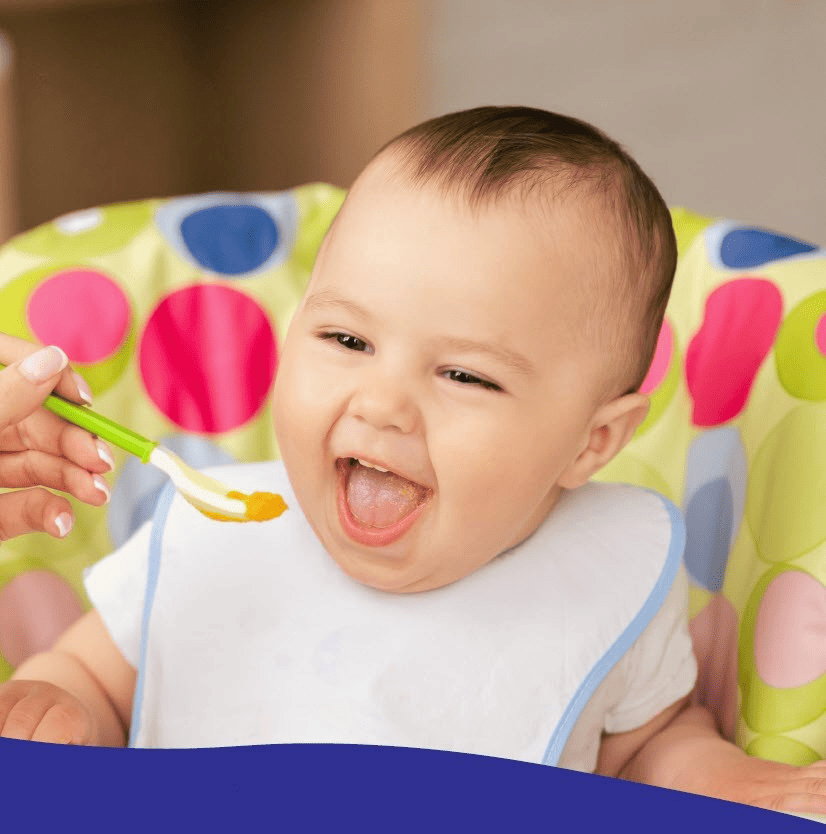
Here Comes the Airplane
Introducing solids between 4-6 months
A time of celebration:
Baby’s first taste of solid food!
Tasting solid foods for the first time is an exciting experience for a baby. New textures. New flavors. New skills to learn and celebrate! Every baby is different, so take it slowly and enjoy helping them learn to eat. The following questions and answers may help make this first experience with food a happy one.
How do I know if my baby is ready for solids?
Most babies are ready for solids between 4-6 months. They should also be able to sit up with support, control their head and neck, bring objects to their mouth, and swallow food instead of pushing it out. It’s NOT recommended to feed your baby solid food before they are 4 months of age.
What’s the first food a baby should eat?
Research shows that babies can be started on a number of different single-ingredient foods, including pureed meats, vegetables and fruit. Offering foods that provide iron and zinc each day is important. These include iron-fortified infant cereals such as oatmeal, or pureed meats (especially beef).
Should I put baby food in a bottle?
Baby food, including cereal, should always be given with a small spoon—never in a bottle. Giving food in a bottle can cause your baby to choke. Plus, eating with a spoon is more exciting!
How much and how often should I feed my baby?
Offer small amounts of single-ingredient baby food with a spoon 1-2 times a day. Follow your baby’s cues and stop feeding your baby if they turn their head away from the spoon or refuse to open their mouth. It’s okay if more food ends up on their tray than in their stomach! This stage is all about giving your baby a taste of foods they’ll learn to enjoy. Breastmilk or formula should still be your baby’s main source of nutrition until age 1.
How do I make my baby’s cereal?
Mix about 2-4 tablespoons of single-ingredient cereal with breastmilk or iron-fortified formula until it has the consistency of thin gravy. Once your baby is tolerating other foods, try mixing in pureed fruits, vegetables, and meats.
How do I introduce different foods to my baby? And what about allergies?
Offer a single food at a time. Wait 3-5 days before offering a new single-ingredient food to watch for signs of intolerance or allergy.
The most obvious signs of food allergies are rashes, itching, and/or redness. Call your doctor if you see any of these signs on your baby’s skin.
More severe allergic reactions include lip or tongue swelling, vomiting, hives over the body, or difficulty breathing. Call 9-1-1 if your baby
has any of these symptoms.
What if my baby doesn’t like baby food?
Eating is a fun and exciting adventure for babies, but it can take a while for them to get used to it. Continue offering small amounts—about half a teaspoon—on the tip of your baby’s tongue for them to taste and gradually get used to this new feeling.
SAMPLE MEALS
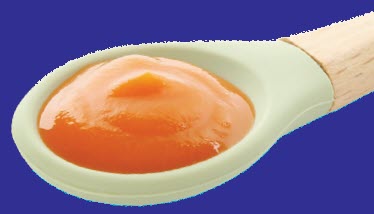
Morning Snack
1-2 tablespoons infant cereal (mixed with breastmilk or iron-fortified formula) or pureed fruit or vegetable.
Afternoon Snack
1-2 tablespoons pureed meat
Four- to six-month-olds still mostly rely on breastmilk or formula to grow and develop. At this age, breastfed babies usually nurse 6–8 or more times a day. Formula-fed babies drink about 30 ounces a day.
6-8 Month Feeding Guide - TH03
IS YOUR BABY READY FOR MORE VARIETY?
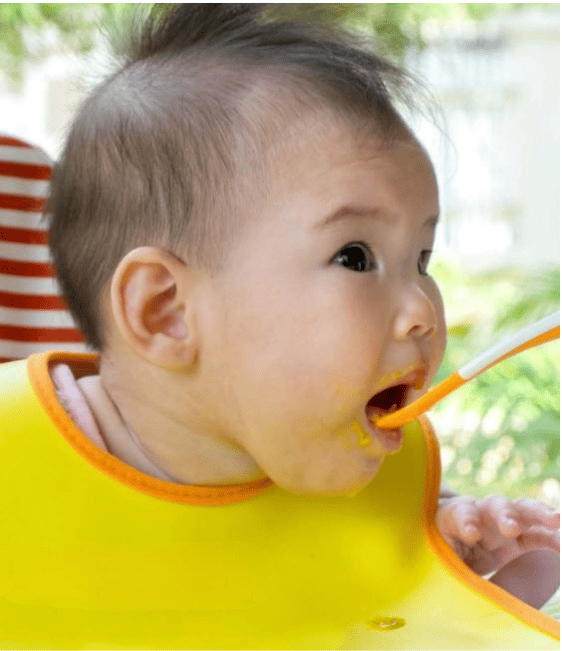
Between 6-8 months, your baby may
be ready for more tastes and textures!
Variety—the spice of life!
How to start?
For your baby, everything is a curiosity and a new experience, and food is quickly becoming her number one interest! She watches you eat. She reaches out for a cup or spoon. She uses her fingers to pick up objects. These are all signs that she may be ready for thicker foods. The following questions and answers may help you learn more about when and how to introduce different textures and foods to your baby.
How can I get my baby to eat a variety of foods?
It takes some babies time to learn to love different foods—but that love starts now! Here’s how to teach your baby to enjoy them: Offer him tastes of a pureed or mashed food. If he doesn’t like it, try it again over the next few days, or try mixing it with something he does like. If he still doesn’t seem to like it, offer a favorite food, and try the new food again the next day. Be patient and keep doing that for at least 10 days—it can take 10-15 tries before he’ll eat it!
Let your baby decide what she likes and dislikes.
Everyone has different tastes. Don’t let your personal food preferences decide what you give your baby.
What about fruit juice?
Babies don’t need fruit juice. Juice can lead to an upset stomach, gas or diarrhea. Fruit, complete with fiber and texture, is a much better choice than fruit juice.
Can my baby have the same food our family eats?
Every baby is different and gets used to new textures at their own pace. However, once they’ve gotten used to pureed foods, most babies can slowly advance to lumpier textures. You can now start to introduce small portions of the family’s foods, like mashed soft fruits, cooked vegetables, avocados and beans, and offer them to him on his high-chair tray. He can also practice using a cup!
How will I know when my baby is full?
By now, you’re familiar with your baby’s cry when she’s tired, hungry or angry. You will soon know her signs of fullness. She may sit back, turn her head away from food, or push food away. She may slow down her eating or refuse to open her mouth. However she communicates that she’s full, respect what she’s telling you and follow her cues. Encouraging her to take “just one more bite” is not a good idea and can lead to overeating, overweight and obesity.
Have fun!
Eat with your baby and make feeding time enjoyable and relaxed. Expect things to be messy—it’s all part of the fun!
sample meals
Morning
- 2 Tablespoons prepared infant cereal
- 2 Tablespoons pureed or mashed fruit
Afternoon
- 2 Tablespoons pureed or mashed vegetables
Evening
- 2 Tablespoons pureed or mashed vegetables or fruit
- 2 Tablespoons pureed or mashed meat
Six- to eight-month-olds still rely mostly on breastmilk or formula to grow and develop. At this age, breastfed babies usually nurse six or more times a day. Formula-fed babies drink about 21-30 ounces a day.
This institution is an equal opportunity provider.
TH03
8-12 Month Feeding Guide - TH04
Exploring food...baby’s way!
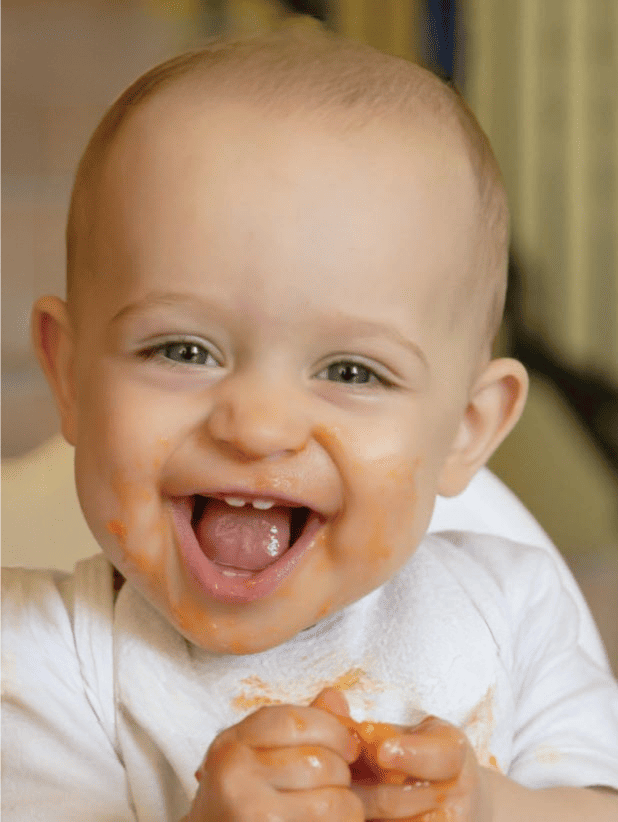
Start serving finger foods at 8-12 months.
A time of amazing changes
It hasn't been that long since you brought your baby home from the hospital. What an amazing adventure it’s been! Your baby has gone through some truly dramatic changes— changes that have been fueled, no doubt, by good food and a healthy dose of love. It is no wonder these two essential elements are the building blocks for healthy habits that will be enjoyed for a lifetime.
Here are some common questions moms ask about feeding older babies:
Can my baby feed himself yet?
Chances are, your baby has already answered that question! He is probably starting to put things in his mouth, and may be reaching for that spoon. Be patient and expect things to get a little messy, but isn’t it great that your baby wants to be independent? And having fun with his food will help your baby enjoy eating and develop other skills.
Are there any foods my baby should not eat yet?
Keep in mind that babies often swallow food without chewing or “gumming.” The following foods should be avoided as they can cause your baby to choke: nuts, popcorn, seeds, chips, dried fruit such as raisins, peanut butter, cheese cubes, grapes, hot dogs, uncooked peas and other raw vegetables, and hard candy. Babies should not eat honey until after their first birthday since it can contain harmful bacteria that can make them sick.
What about side dishes like rice and noodles?
Babies enjoy eating plain noodles and white or brown rice with their fingers. Other fun and healthy finger foods include shredded cheese, toast, canned fruit, beans, tofu and crackers. Remember, foods that may seem bland to you are tasty and exciting to your baby. Avoid pre-packaged and processed foods as they tend to have added ingredients such as sugar, salt, and/or preservatives.
What about baby meats?
It is okay to serve the same meat your family enjoys. However, be sure to grind or finely mince the meat to prevent choking. Some examples of good finger foods for older infants include chopped soft cooked chicken or turkey, or small pieces of meatballs or meatloaf.
Are 8- to 12- month-olds past the allergy sensitive stage yet?
Not yet. Infants and young children can still have allergic reactions to foods. Continue to introduce new single-ingredient foods one at a time and 3 to 5 days apart so you can watch for signs of allergy and determine which food has caused the allergy, if one should develop.
What is a healthy snack for my baby?
Dry cereal, yogurt, soft fruit or cooked vegetable, or shredded cheese. Think of snacks as smaller servings of the healthy foods you normally serve at meals, rather than as different foods.
Are there any foods that might help my teething baby?
Tender gums are often soothed by biting and chewing on these foods: toast, dry cereal, crackers, a frozen bagel or a frozen whole peeled banana. As always, never leave your baby alone when she is eating. Some babies can chew quite strongly on these foods so watch closely that no large piece of food breaks off that can choke your baby.
What about cow’s milk (whole milk)?
Experts recommend breast milk (or formula, for babies who aren't breastfeeding) and not cow’s milk, until around your baby’s first birthday to make sure she is getting enough iron.
sample meals
Morning
- 4-6 tablespoons cereal
- 2-4 tablespoons soft fruit
Snack
- 1/4 cup shredded cheese
Afternoon
- 2-4 tablespoons cooked vegetables
2-4 tablespoons cooked kidney beans
Snack
- Water in a cup
- Piece of toast or bagel
Evening
- 2-4 tablespoons cooked vegetables
- 2-4 tablespoons minced meat
- 2-4 tablespoons soft fruit
At this age, breastfed babies usually nurse four or more times a day. Formula fed babies drink about 24 to 28 ounces a day. Older babies need more food. As babies begin to eat more solid food, their need for breastmilk or formula will decrease.
This institution is an equal opportunity provider.
TH04
Time for Textures? Making Homemade Baby Food #385
Time for Textures?
About 4-6 Months:
By now, your baby has probably been enjoying iron-fortified baby cereal and thin, smooth purees of meats, vegetables and fruit, along with breastmilk or formula. She is learning to eat and enjoy food, and likely already has some favorites!
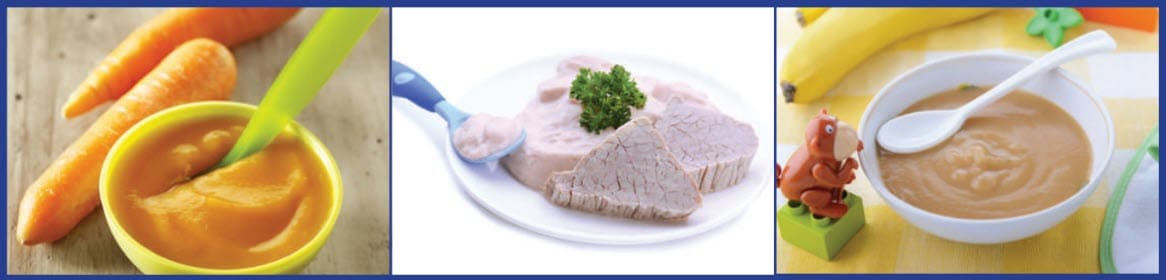
About 6-8 Months:
Your baby is probably ready for new eating adventures! Introduce foods that have a mashed texture and start to practice using a cup. You may want to try foods like mashed fruits, vegetables and beans.
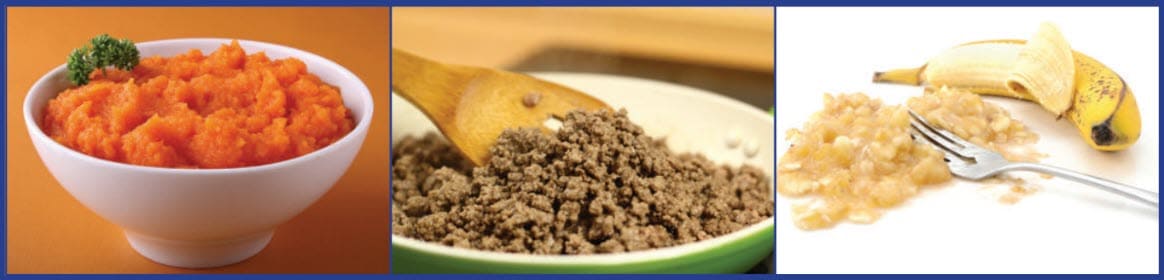
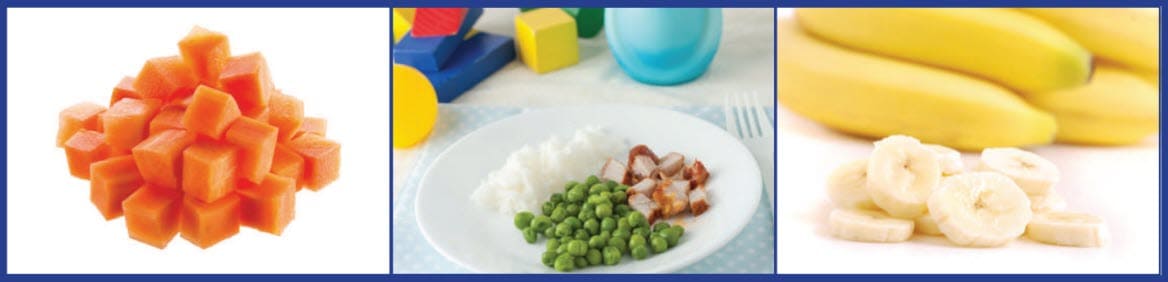
About 8-12 Months:
Now is a good time to get your baby used to even more textures. Offer him soft or well-cooked foods and finger foods like shredded cheese, well-cooked vegetables, scrambled eggs, mashed fish, tofu, diced soft fruits, and crackers. Allow your baby to feed himself, even if things get messy! Don’t give him foods that he could choke on, like popcorn, hot dogs, gummy foods, seeds, nuts, raisins, and grapes.
Making Homemade Baby Foods — It’s Easier Than You Think!
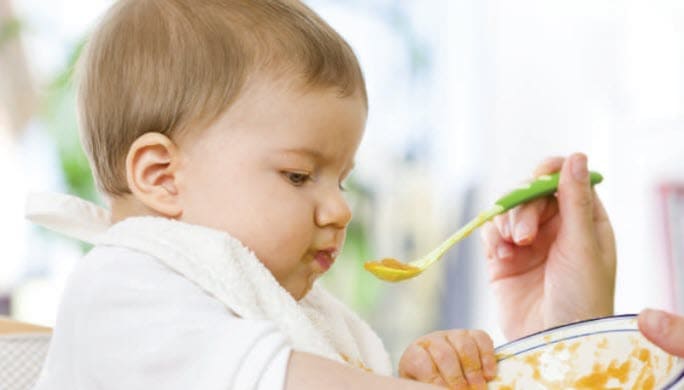
Some jarred baby foods contain added sugar, salt and starch, which your baby doesn’t need. Homemade baby food can be healthier, help you save money and get your baby used to the foods your family eats.
Here’s how to make foods for your baby at home:
- You can use a fork, baby food grinder or a blender.
- Wash all equipment in hot soapy water. Rinse and dry.
- Prepare fresh fruits and vegetables by scrubbing and peeling off the skin; remove stems, pits and seeds.
- Prepare meats by removing bones, skin and visible fat.
- Drain and rinse canned vegetables and fruits.
- Steam or boil foods until soft.
- Let foods cool to room temperature.
- Mash, puree or grind food by adding small amounts of cooking water, breast milk or formula until the mixture is smooth.
- DO NOT ADD sugar, honey, maple syrup, Karo syrup, salt, fats or oils. They are not necessary and can be harmful to your baby.
Keeping Things Safe:
- Spoon the food your baby will eat into a small bowl. Feeding from the original container will cause leftovers to spoil quickly.
- Seal the container tightly and put it into the refrigerator right away.
- Use the stored baby food within 2-3 days. After that, throw it away.
- Don’t chew your baby’s food before giving it to her or share utensils. It could make your baby sick!
Time-Saving Tips:
- Freeze pureed baby food in ice cube trays. When solid, store in freezer bags. Use within 3 months.
Keeping Safe from Heavy Metals #300
Growing Healthy Bodies and Minds
Keeping Your Family Safe from Heavy Metals
What are heavy metals?
Metals are found naturally in our air, water and soil. Plants absorb these metals as they grow, so they are in some of the foods that we eat. 
Our bodies need some metals, like zinc and iron, to be healthy. But other metals, like arsenic and lead, can be harmful if we eat too much of them. In children, exposure to higher levels of heavy metals may affect brain development and impact learning or behavior.
Because some foods end up with more heavy metals than others, it is important to eat a variety of foods.
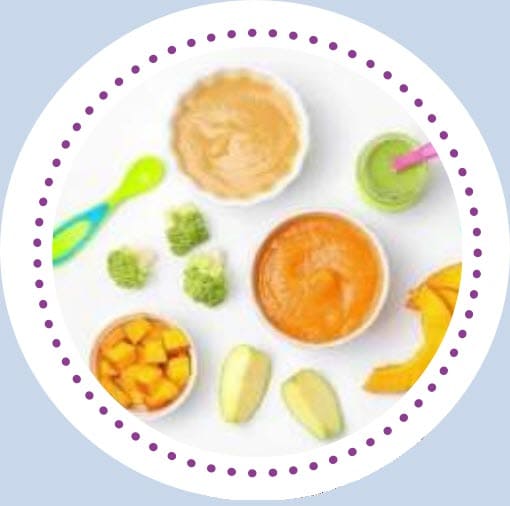
Protect your child by offering a variety of foods.
You can lower your child’s exposure to heavy metals by feeding them a wide range of foods.
- Change up your fruits and vegetables. It is important for growing children to try different kinds of fruits and vegetables to give them all the vitamins and minerals they need. Wash fruits and vegetables in cold water before preparing and serving.
- Switch up your grains. Offer a variety of cereal and grain options, like multigrain, oatmeal, quinoa, whole wheat and rice. Choosing rice less often will help limit exposure to arsenic, a heavy metal found in rice.
- Choose water and limit juice. For children over the age of 1, limit juice to less than 4 oz. a day and offer a variety of 100% fruit juices.
- Provide whole food snacks. Try less processed snacks like bananas, beans, cheese, and yogurt, instead of rice-based snacks and teething foods.
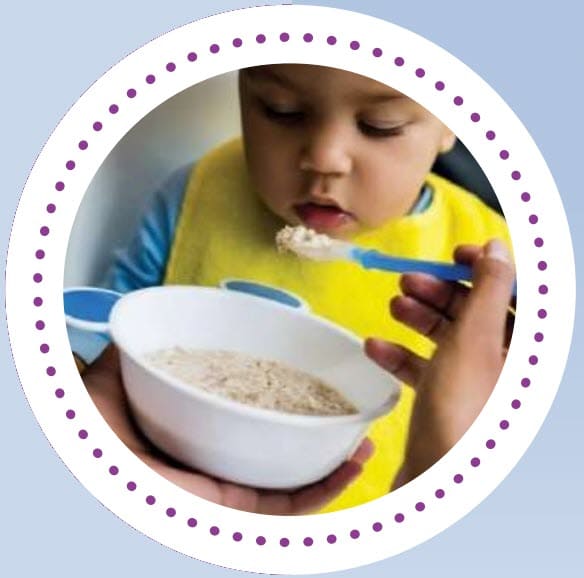
First Foods
Infant cereal is easy to digest and is a good source of iron, which all babies need. But first foods can also be infant meats, fruits and vegetables!
WIC provides a variety of infant cereal options
Use your WIC benefits to try oat, whole wheat, quinoa, and multigrain infant cereals!
Other things you can do to limit exposure to heavy metals include:
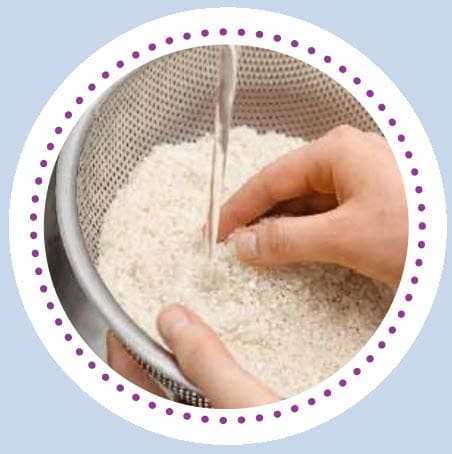
Prepare regular rice by rinsing and draining it first and cooking it in extra water that can be drained like pasta. This will help reduce heavy metals in the rice.
Breastfeed if possible.
Breastfeeding can help reduce exposure to heavy metals. 
Eat foods that are rich in vitamin C, iron, and calcium.
These vitamins and minerals can help reduce the effects of heavy metals in our bodies.
Eat foods that are rich in vitamin C, iron, and calcium.
These vitamins and minerals can help reduce the effects of heavy metals in our bodies.
Foods high in iron:
- Fortified cereals, breads, pastas
- Red meat
- Beans
- Peas
- Green leafy vegetables
Foods high in vitamin C:
- Citrus fruits
- Bell peppers
- Tomatoes
- Strawberries
Foods high in calcium:
- Milk
- Yogurt
- Cheese
- Fortified cereals
Buy good foods with WIC!
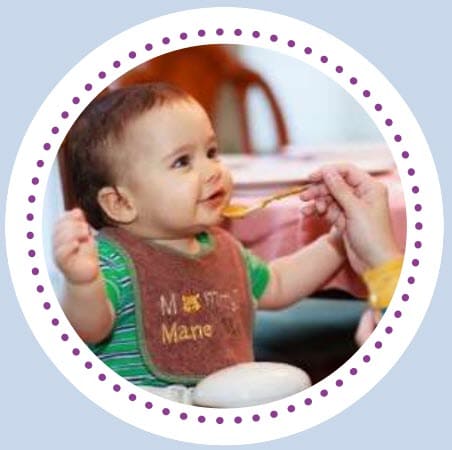
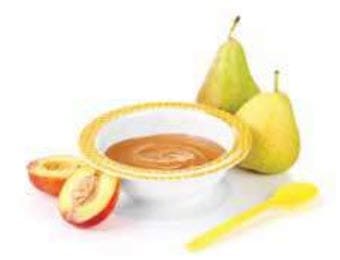
Eating a wide variety of foods can help reduce exposure to heavy metals. WIC offers many options, including fresh, frozen, canned, and infant fruits and vegetables and a variety of cereal and whole grain choices!
Talk with your WIC nutritionist or you child’s health care provider about steps you can take to make sure your child gets all the nutrition they need, safely.
For more information about heavy metals in baby food, visit the American Academy of Pediatrics (AAP).
WIC Nutrition Program • Nutrition Division
MA Department of Public Health
This institution is an equal opportunity provider
Form #300
Infant Constipation #254
Constipation
From birth – 12 months

Many parents become concerned if their infant does not have a daily bowel movement.
Normal bowel habits:
- Vary among infants. Although many infants have a daily stool, others may only have a stool every 2 to 5 days.
- Become less frequent as your baby gets older.
- Can cause babies to make funny faces, grunt, and possibly strain when they are passing a stool.
Medical providers say that signs of constipation are:
- Small, hard, dry stools that are passed with difficulty.
- When the infant has not passed a stool or has difficulty in passing stools for 2 or more weeks.
Call your baby’s doctor if you are concerned that he is constipated.
What causes constipation?
- Inadequate fluids
- Mixing formula incorrectly
- Starting solids too early
- Lack of movement or activity
- Use of some medications
- Excessive fluid losses due to vomiting or fever
- Certain medical conditions (ask your pediatrician)
What do normal stools look like?
- Breast milk—pasty,seedy,soft,runny, yellow
- Iron-fortified formula—pasty-to-formed,seedy, greenish-brown
- Soy formula—soft, yellowish-green
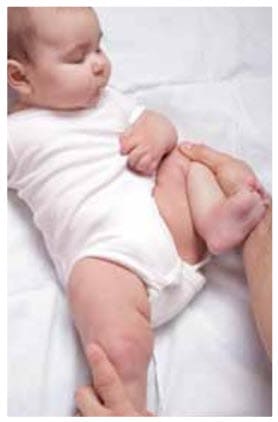
Managing constipation
- Increase activity (rotate infant’s legs in a bicycle movement).
- Apply a warm compress (warm wash cloth) to stomach.
- Ask your pediatrician about increasing fluids.
- For infants less than 4 months of age, if solids have been introduced, discontinue solids.
- For infants over 4 months of age who have been introduced to solids, offer high-fiber foods, such as soft, cooked fruits and vegetables and whole grains.
For breastfed infants
- The number of bowel movements per day or week may vary depending on their age.
- Breastfed babies over 1 month old may have infrequent bowel movements (less than 1 time per day).This is not considered constipation.
Myths about constipation
The amount of iron supplied by iron-fortified formula does not cause constipation. Studies have shown that infants fed iron-fortified formulas are no more likely to suffer from constipation than infants fed low-iron formulas.
TDD/TTY: 617-624-5992
WIC Nutrition Program • Nutrition Division
MA Department of Public Health
This institution is an equal opportunity provider
Form #254
Formula Feeding Basics #278
FORMULA FEEDING BASICS

Safety, preparation, and storage information for feeding your baby
Before preparing infant formula, follow these steps:
- Make sure the formula is not expired and the container is in good condition. (No dents, puffy ends, or rust spots.) Rinse the tops of cans before opening.
- Clean the countertops and wash your hands with soap and warm water. Use a clean bottle and nipple.
- Use water from a safe source to mix with formula. Cold tap water is usually safe but contact your local health department if you are not sure. Never use hot tap water to prepare infant formula.
- Always follow the instructions and use the correct amount of water when preparing formula. Using too much or too little water can be harmful and make your baby sick.
- Never microwave prepared formula or breastmilk. This can create hot spots in the bottle and burn your baby’s mouth. If you need to warm up a bottle, place it under warm running water or in a bowl of warm water.
- Separate and wash bottles, bottle parts, and nipples thoroughly after each use in hot soapy water in a separate container (not in the sink). Rinse thoroughly and air dry on a clean towel.
If your baby is younger than 2 months, born prematurely, or has a weakened immune system, check with their health care provider if you need to take extra precautions by boiling the water before you prepare powdered infant formula.
Safety tips for using boiled water
Boil the water and let it cool in an open container for 5 minutes. Then continue with the steps listed under Powdered Formula Instructions. After preparing the formula, it will still be too hot to feed your baby. Put the cap on the bottle and cool it under running cold water until it reaches body temperature so that you don’t burn your baby’s mouth. Always test the formula on your arm before feeding your baby. It should feel warm, not hot.
Visit www.cdc.gov/cronobacter/prevention to learn more.
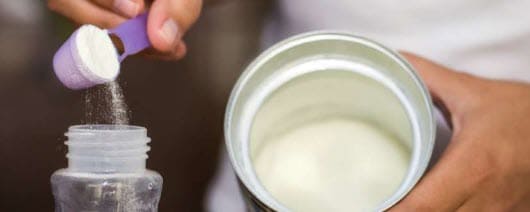
Powdered Formula Instructions
- Use the exact amount of water and formula listed on the instructions of the infant formula container. Always measure the water first and then add the infant formula powder.
For example:
• 2 oz. water + 1 scoop powder = 2 oz. prepared formula
• 4 oz. water + 2 scoops powder = 4 oz. prepared formula
• 6 oz. water + 3 scoops powder = 6 oz. prepared formula
If mixing a large amount in a container:
• 29 oz. water + 1 cup powder = 32 oz. prepared formula - Shake infant formula in the bottle to mix. Do not stir.
- Always cover and refrigerate until ready to use.
Concentrated Formula Instructions
- To open concentrated formula cans, use a clean can opener. Pour concentrated formula into a clean container.
- Fill the empty can to the top with cold water and add to the same container and stir well. For example:
• 1 can (13 oz.) concentrated formula + 1 can (13 oz.) water
= 26 oz. prepared formula - Pour mixed formula into bottles, or leave in a covered container, and store in the refrigerator until ready to use and feed to baby within 24 hours.
- Unmixed formula can be stored in a covered can in the refrigerator and should be discarded after 48 hours.
Specialty Formula Instructions
For specialty formulas, follow the instructions given by your health care provider.
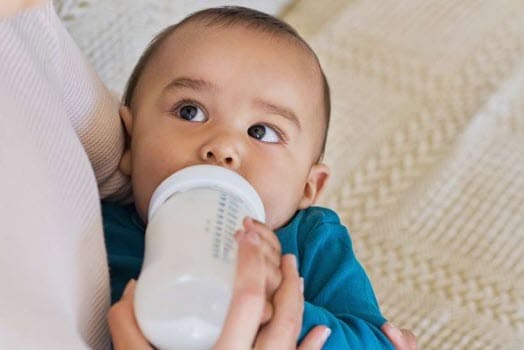
Safely using and storing infant formula
- Use prepared infant formula within 1 hour from when a feeding begins and within 2 hours of preparation.
- If you do not start to use the prepared infant formula within 2 hours, immediately store the bottle in the fridge and use it within 24 hours.=
- Throw out any infant formula that is left in the bottle after feeding your baby. Do not refrigerate it to save for later; the combination of infant formula and your baby’s saliva can cause bacteria to grow.
Tips for feeding your baby
- Listen to your baby’s feeding cues.
- When your baby is hungry, they may bring their hands to their mouth, become more alert or active, suck on their hands or smack their lips, or open and close their mouth.
- When your baby is full, they may turn away from the bottle, close their lips or fall asleep. If this happens, stop the feeding, even if the bottle isn’t empty.
- Newborns need to be fed small amounts often during the day and night because their stomachs cannot hold large amounts of liquid. The amount babies drink changes as they grow older.
- Newborns should start with a one-hole nipple and progress to more holes as the baby gets older and develops a stronger suck. Cutting, enlarging, or adding holes may cause choking, overfeeding or excessive intake of air, which can lead to gas or colic.
- Hold your baby close during a feeding. Never prop the bottle or put them to bed with a bottle.
- Hold your baby in an upright position and place the bottle at a slight angle so that the liquid will only come out when your baby sucks. This allows them to better control how much they drink.
- Burp your baby halfway through a feeding or after every ounce and again when the feeding is over. Burping can help reduce spit up and make your baby more comfortable by getting the air out of their stomach.
How much formula does your baby need?
Here’s a guide based on their age:

WIC is a supplemental program and may not provide the full amount of formula your baby needs at every stage. For babies who are not breastfed, infant formula is the best source of nutrition in the first year of life. When making formula, never add more water than what is recommended, as this can harm your baby. If you are unable to access enough formula, talk with the WIC staff or your health care provider about other resources that may help.
Baby Behavior: Baby Cues #364
Baby Cues

Babies use their bodies and make noises to let their parents know when they need to eat, learn, play or rest.
These are called cues.
Understanding Your Baby’s Cues
- Babies are born with the ability to communicate. They use cues to show parents what they need.
- Newborn babies are still learning to control their bodies. Sometimes their cues are hard to understand. Watching your baby will help you learn what she needs.
- With practice, your baby will get better at giving cues and you will get better at responding to them.
- By responding quickly to your baby’s cues, you will learn to communicate with each other. She will develop confidence that her world is safe and secure.
 When Your Baby Is Hungry
Newborn babies have to be fed often because their stomachs are very small. Compared to older babies, newborn babies are more likely to be hungry when they cry. Watching and responding to hunger cues can help prevent some crying.
Hunger Cues
When your baby is hungry he may:
- Keep his hands near his mouth
- Bend his arms and legs
- Make sucking noises
- Pucker his lips
- Search for the nipple (root)
Fullness Cues
When your baby is full he may:
- Suck slower or stop sucking
- Relax his hands and arms
- Turn away from the nipple
- Push away
- Fall asleep
I Want to Be Near You

As your newborn baby gets older, it will be easier to tell when he is ready to interact, learn or play.
He might:
- Have a relaxed face and body
- Follow your voice and face
- Reach toward you
- Stare at your face
- Raise his head

I Need Something to Be Different
Learning is hard work for babies and they can get tired quickly. Your baby will show you signs that he needs something to be different.
He might:
- Look away, turn away, or arch his back
- Frown or have a glazed look in his eyes
- Stiffen his hands, arms or legs
- Yawn or fall asleep
Responding to cues quickly, before your baby starts to fuss, may help your baby cry less.
What Should I Do If My Baby Needs Something to Be Different?

When your baby gives you cues that she is overwhelmed, give her a break from the world around her:
- Turn her away or stop the activity and hold her close to your body.
- Change the environment. People or noises can be very tiring for babies. Move her away from the noise and wait until she is ready to interact again.
- Lay her down for a nap if she is tired. Quiet time is good for both of you!
- Teach siblings about baby cues. Show them how baby lets them know when she needs a break.
Newborn babies may also be sensitive to what’s going on inside their bodies. Some babies may be fussy right after feeding. Be patient, they may need to burp, pass gas or poop.
TDD/TTY: 617-624-5992
WIC Nutrition Program • Nutrition Division
MA Department of Public Health
USDA is an equal opportunity provider and employer.
Form #364
Baby Behavior: Crying #365
Crying

Babies cry for many reasons, not just because they are hungry.
Baby Tears

Crying can be very stressful for new parents, but crying is normal.
It is an important way that babies communicate their needs.
As your baby gets older, she will get better at letting you know what she needs. As you get better at understanding and responding to what your baby needs, she will cry less.
By crying, your baby may be telling you...
I need something to be different
I would like some quiet time
I need my diaper changed
I need to be close to you
I am too hot or too cold
I need to be burped
I might be sick
I am hungry
I am afraid
I am tired
Steps to Calm Your Crying Baby
Babies use crying as a way to communicate many different things. They use crying to tell you that they need your help. When your baby is crying:
1. Try to Figure Out the Reason for Crying
For example, is she:
- In need of a diaper change?
- Tired?
- Too hot or too cold?
- Hungry?
- Overwhelmed?
- Uncomfortable?
2. Hold Your Baby Close to You
3. Repeat the Same Action Over and Over
You might try one of the following:
- Speaking or singing softly
- Gently rocking,swaying or bouncing your baby
- Gently massaging her back, arms, and legs
Calming your baby takes time. Sticking with the same action for several minutes before trying something different can be the secret to success. Be patient. If your baby continues to cry or becomes more upset, try one of the other suggestions listed above.
Tips for Coping with Your Crying Baby

It may take a while for your baby to calm down when she is crying. This can be very frustrating for parents.
- Ask a friend or family member to give you a break by helping with your baby.
- If you start to feel angry or overwhelmed, lay your baby down in a safe place for a few minutes and take a break.
- Remember, babies cry less and less as they get older.
- Contact WIC or your doctor if you think your baby is crying too much.

TDD/TTY: 617-624-5992
WIC Nutrition Program • Nutrition Division
MA Department of Public Health
USDA is an equal opportunity provider and employer.
Form #365
Baby Behavior: Healthy Sleep #366
Healthy Sleep for Baby

Night time waking can be hard for new parents.
Knowing what to expect will help you feel more relaxed and confident.
Your Baby’s Sleep: What to Expect
Babies are supposed to wake up at night. Waking up at night is important to keep your baby healthy. Babies need to wake up to be fed, to be comfortable and to be safe. Doctors recommend that babies should be put on their backs to sleep.
Baby Sleep Patterns
Some babies need more sleep than others. As your baby gets older, his sleep will change and become more predictable. This is what you can expect:
Newborn to 6 Weeks
During the first 6 weeks, your baby’s sleep will be unpredictable. He is still getting used to the new world around him. Newborn babies sleep for only a few hours at a time and they will wake up many times throughout the day and night. This is normal and healthy for them.
Babies may have times when they wake up more often due to growth spurts, sickness, or changes in routine.
6 to 8 Weeks
Your baby may sleep more at night because he is awake more during the day. Waking up at night is still normal and healthy.
About 3 Months
At night, your baby will sleep for longer periods of time, and wake up less often.
About 6 Months
Your baby may sleep up to 6 hours at a time.

2 Ways Babies Sleep
Your baby needs to go through periods of both light and deep sleep. Both types of sleep are important for your baby’s health.
Light Sleep
Babies need light sleep for their brains to grow and develop. Babies dream during light sleep. Dreaming is healthy for them.
During Light Sleep Babies:
- Move around and make noises
- Have eye twitches or open and close their eyes quickly
- Have fast and slow breathing
- Dream
- Wake up easily
Newborn babies fall asleep in light sleep. Some may wake up easily if you lay them down while in light sleep. Wait for signs of deep sleep before laying your baby down.
Deep Sleep
Babies need deep sleep for their brains to rest
During Deep Sleep Babies:
- Don’t move very much
- Have relaxed and floppy arms and legs
- Have regular steady breathing
- Make sucking movements
- Don’t wake up easily
Tips for Sleepy Parents
New parents can expect to get less sleep. For a few months, most of your sleep will be in short 2-3 hour stretches. These tips will NOT make your baby sleep through the night, but they may help YOU get a few more minutes of sleep. Waking up at night is important for your baby’s health.
1. Keep baby close at night
Doctors recommend you put your baby’s crib or bassinet in the same room for the first few months. When your baby wakes up and needs something, you won’t have far to go.
2. Keep the lights low
Keeping lights low while you feed, burp or change your baby’s diaper during the night will help you get back to sleep more quickly. You do NOT want low lighting if you are doing something that requires your full attention, such as giving medicine.
3. Sleep when your baby sleeps
While it may seem impossible, try to sleep when your baby sleeps. Even 90 minutes of sleep can help you feel more rested.
4. Ask for help
Taking care of your little one can be hard work. Ask family and friends for help at home.

TDD/TTY: 617-624-5992
WIC Nutrition Program • Nutrition Division
MA Department of Public Health
USDA is an equal opportunity provider and employer.
Form #366
Postpartum
Click the plus symbol (+) next to each tip to learn more
Iron Boosts for Mom - THTM 349
When you’re a mom, being tired isn’t an option.

To keep up with the important things in life, get your energy from eating iron-rich foods.
Iron Gives Mom a Boost!
Iron is a mineral needed for making red blood cells that carry oxygen through the body. It helps prevent colds and flu, and keeps energy levels up
Best Sources of Iron:
- WIC Cereals
- Meat (Beef, Chicken, Pork, Turkey, Lamb)
- Dried beans/Peas/Lentils
- Fish
- Nuts and Seeds
Cooking foods in non-coated cast iron pots and pans (heavy black ones) will add iron to your food
Good Sources of Iron:
- Baked Potato or Sweet Potato with skin
- Baked Beans
- Dried Fruit (Raisins, Apricots, Dates, Prunes)
- Tofu
- Dark, Leafy Green Vegetables, cooked (Spinach, Collard and Turnip Greens, Swiss Chard, Kale)
Talk to your doctor to see if a multivitamin is right for you.
Fair Sources of Iron:
- Whole Grain Bread and other Enriched Bread
- Eggs
- Peanut Butter
Vitamin C helps your body use iron. Try these food combinations below:
The iron rich foods are in green and the vitamin C rich foods are in orange!
- Omelet with red and green peppers
- Brown rice and beans served with collard greens and tomatoes
- Grilled chicken served with broccoli and a baked potato
- Spinach salad topped with strawberries
- WIC cereal with a side of fruit such as grapefruit, cantaloupe, or orange slices
- Tuna fish sandwich and a side of kiwi slices
TDD/TTY: 617-624-5992
WIC Nutrition Program • Nutrition Division
MA Department of Public Health
This institution is an equal opportunity provider.
THTM 349
A Guide for Your 6-Week Postpartum Checkup #368
A Guide for Your 6-week Postpartum Checkup
Congratulations on your new baby! After giving birth, it’s important for you to continue the healthy habits you practiced while you were pregnant and to see your health care provider about 6 weeks after delivering your baby.
Things to do:
- Call your health care provider and make an appointment for your 6-week checkup.
My 6-week appointment is on: _________________________ - Review this guide and bring it with you to your checkup appointment.
Talk with your health care provider about your health.
Many women have emotional changes after delivery such as mood swings or “baby blues.” If you are feeling depressed, call your health care provider before your 6 week appointment.
Consider your sexual health and think about whether you would like to have more children. Important! You may be able to get pregnant before your period returns, even if you are breastfeeding.
Many women want to lose weight after their pregnancy. A healthy diet and physical activity will help you lose weight safely.
A healthy diet is important for good health before, during and after pregnancy and while breastfeeding.
Regular physical activity should be an important part of everyone’s daily life. Always check with your health care provider before starting an exercise plan. To allow the body to heal, many providers recommend waiting at least 6 weeks to begin physical activity.
Talk to your health care provider about:
• Breastfeeding
• Health conditions such as diabetes, anemia or high blood pressure
• Constipation
• Hemorrhoids
• Vaginal discharge or excessive bleeding
• Urinary incontinence (leakage) and pelvic exercises
• Follow-up test if you had gestational diabetes during this pregnancy
Let your health care provider know if:
• You feel overwhelmed, anxious, sad, lonely, nervous, or exhausted
• You cannot sleep
• You feel depressed
Ask your health care provider for ways to prevent or treat depression.
Ask your health care provider about:
• When to resume sexual activity
• Child spacing and birth control options
• Planning your next pregnancy
Talk with your partner about family planning:
• Decide on a birth control method that works for both of you.
Ask your health care provider for your ideal body weight range.
Lose weight gradually
• Eat 3 meals and 1–2 snacks per day
• Drink plenty of water
• Eat when hungry; stop when satisfied
• Be patient with your weight loss
• Find others to support you
• Breastfeeding may help you lose the weight you gained from pregnancy
Talk to your health care provider about:
• Continuing your prenatal vitamins or multivitamins with folic acid
• Other nutrition and diet concerns
Make healthy food choices
• Eat plenty of fruits and vegetables
• Eat plenty of whole grains
• Choose non-fat and low-fat dairy products
• Choose low-fat meats
• Avoid fish high in mercury
Continue going to WIC for nutrition classes and WIC food benefits for you and your family.
Talk to your health care provider about what exercise schedule and level are right for you.
Stay active!
• Walking is a good exercise for most new mothers
• Build strong bones by doingweight-bearing exercises such as walking, dancing and climbing stairs
• Turn off the TV and other electronics
• If you are breastfeeding, nurse before exercising so your breasts are more comfortable
Questions for your health care provider
1.
2.
3.
4. Ask for any available bloodwork results (such as hemoglobin or hematocrit) to take to WIC.
Call Postpartum Support of Massachusetts at 866-472-1897 or visit www.postpartum.org for additional support.
Adapted from the Association of Reproductive Health Professionals
This institution is an equal opportunity provider.
Form #368
Postpartum Support Guide #370

Postpartum Support Guide
Having a baby can be exciting, but also overwhelming. It is normal to have many different feelings during pregnancy and for the first year after birth. Recognizing those feelings and getting support can help you cope with them. It can also help you know when to reach out for help from a health care provider. If you or someone you know needs help, remember that you are not alone, and there are many services available to support you.
What are the “baby blues”?
It’s common to feel physically and emotionally drained after having a baby due to changes in hormones. These “baby blues” typically happen 2-5 days after delivery and may cause you to feel sad, anxious, moody or have trouble sleeping. Practicing self-care as much as possible, asking for help from family and friends, and connecting with other parents can help. Symptoms of the “baby blues” usually get better on their own within two weeks. If they become worse or last longer, this could be a sign of postpartum depression, and you should reach out to your health care provider as soon as possible.
What is Postpartum Depression?
Postpartum depression is a condition that can affect the brain, behavior, and physical health due to hormonal changes, adjusting to parenthood, and exhaustion. It’s important to reach out for help since feelings of sadness or hopelessness usually do not go away on their own. Postpartum depression is more common than you think and is very treatable with the right care.
Other Perinatal Mental Health Conditions
Other mental health conditions can occur during pregnancy and the postpartum period. These include anxiety, bipolar mood disorder, obsessive compulsive disorder, and post-traumatic stress syndrome (PTSD). Symptoms can be similar to postpartum depression but need different treatments. It’s important to reach out to your health care provider for help so they can make sure you receive the treatment that works best for you.
General Signs & Symptoms of Postpartum Depression
- Feeling restless
- Increased crying
- Lack of energy
- Feeling anxious, jumpy, irritable, or angry
- Sleeping too much or not enough
- Eating too much or not enough
- Feeling guilt and despair
If your symptoms become worse and include hallucinations, confusion, paranoia, or concerns about harming yourself or your baby, you may have a rare condition called Postpartum Psychosis. Call 911 right away for help.
Postpartum & Mental Health Resources
MASSACHUSETTS SERVICES
Massachusetts Postpartum Support International Warm Line
Toll-free number providing support, listings of local counselors, support groups and information. Calls are returned within 24 hours.
Call: 866-472-1897
Visit: www.psichapters.com/ma
Massachusetts Behavioral Health Helpline (BHHL)
Available 24 hours a day and can provide interpretation in 200+ languages. The line connects anyone in Massachusetts with treatment or resources for mental health, substance use and health-related social needs. From a routine question to a crisis situation, the BHHL can help.
Call or text: 833-773-2445
Chat: www.masshelpline.com/contact
Parent Stress Line
Available to parents and guardians who are experiencing stress or who are overwhelmed. If you need someone to talk to, the Parent Stress Line is available 24 hours a day and has trained volunteer counselors who offer both sympathetic and nonjudgmental support. Translation services are available.
Call: 1-800-632-8188
Visit: https://parentshelpingparents.org
Massachusetts SafeLink
Statewide domestic violence hotline with translation services that are available 24/7. It provides safety planning, support for survivors and information regarding safety shelters. Available in a number of languages.
Call: 877-785-2020
Chat Online: CasaMyrna.org/chat
Visit: www.mass.gov/info-details/massachusettssafelink-resources
NATIONAL SERVICES
National Maternal Mental Health Hotline
Confidential service that is available 24/7 for pregnant people, new parents and those who support them. Over 60 languages are available via interpreter services.
Call or text in English/Spanish: 1-833-852-6262
Postpartum Support International HelpLine
Toll-free phone number for information, support, and resources. Calls and texts are returned every day of the week between 8:00am—11:00pm.
Call in English/Spanish: 1-800-944-4773 (4PPD)
Text in English: 800-944-4773;
Text in Spanish: 971-203-7773
Visit: www.postpartum.net/get-help/psi-helpline
National Alliance on Mental Illness
Provides information, resources, and support.
Call: 800-950-6264
Text: 62640
Visit: www.nami.org
NATIONAL CRISIS LINES
Emergency hotlines are available 24/7 in English and Spanish to access immediate emergency telephone counseling.
National Crisis Text Line: Text HOME to 741741
National Suicide & Crisis Lifeline: Dial 988