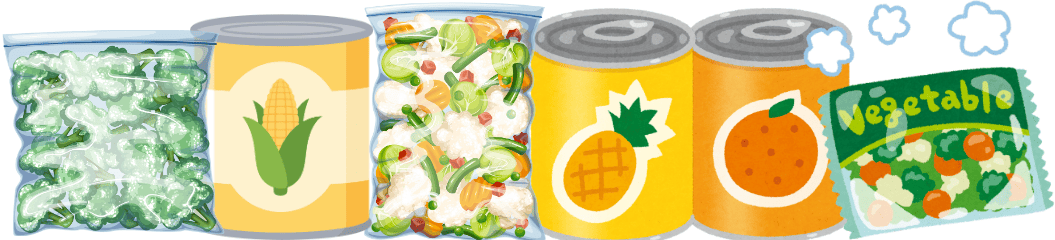
Here you’ll find ideas for maximizing your fruit and vegetable benefit, recipes full of fruits and veggies, and tips for getting kids to eat more fruits and veggies.
Getting the most out of your fruits and veggies
Ideas for making your benefits go further
Click the plus symbol (+) next to each tip to learn more
Shop Seasonally
Stores have more of them, and they don’t have to travel as far, so they cost less.

What’s typically in season in spring? (this may be different based on your region)
What’s In Season In Spring

Apricots, Artichoke, Asparagus, Butter Lettuce
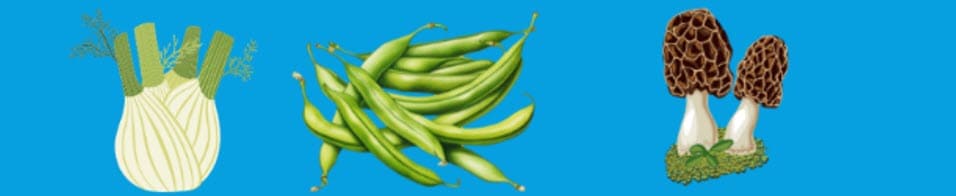
Fennel, Green Beans, Morel Mushrooms
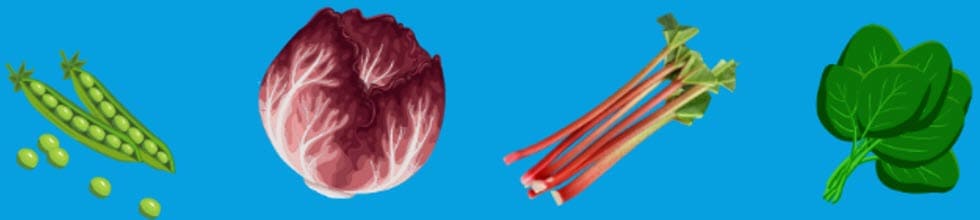
Peas, Radicchio, Rhubarb, Spinach

Strawberries
Here’s a more complete list:
❤️ Reds
- apples
- apricots
- strawberries
- radishes
- rhubarb
🧡💛 Oranges & Yellows
- bananas
- lemons
- pineapples
- plantains
💜💙 Purples & Blues
- blackberries
💚 Greens
- asparagus
- avocados
- broccoli
- cabbage
- carrots
- celery
- certain herbs
- collard greens
- kale
- kiwi
- lettuce
- limes
- peas
- spinach
- swiss chard
- turnips
🤍🤎 Whites & Browns
- mushrooms
- onions
- garlic
What’s typically in season in summer? (this may be different based on your region)
What’s In Season In Summer

Bell Pepper, Blackberries, Blueberries, Cantaloupe
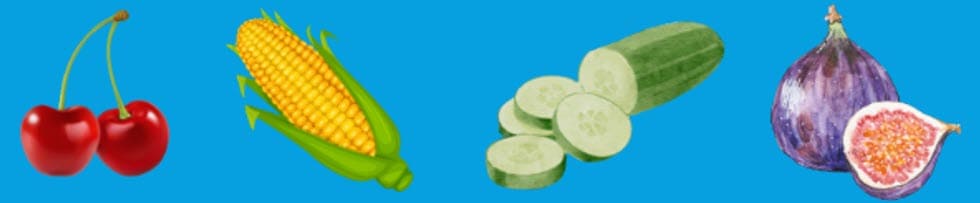
Cherries, Corn, Cucumber, Figs

Grapes, Nectarine, Okra, Passion Fruit
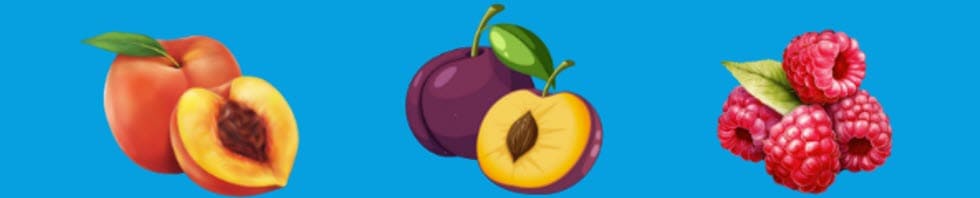
Peach, Plum, Raspberries
Here’s a more complete list:
❤️ Reds
- apples
- apricots
- beets
- cherries
- radishes
- raspberries
- strawberries
- tomatoes
- watermelon
💜💙 Purples & Blues
- blackberries
- blueberries
- eggplant
- plums
🧡💛 Oranges & Yellows
- cantaloupe
- carrots
- peaches
- summer squash
- bananas
- corn
- lemons
- mangos
- pineapples
- plantains
💚 Greens
- avocados
- bell peppers
- celery
- certain herbs
- cucumbers
- green beans
- honeydew melon
- lima beans
- limes
- okra
- pears
- peas
- tomatillos
- zucchini
🤍🤎 Whites & Browns
- garlic
- onions
What’s typically in season in fall? (this may be different based on your region)
What’s In Season In Fall
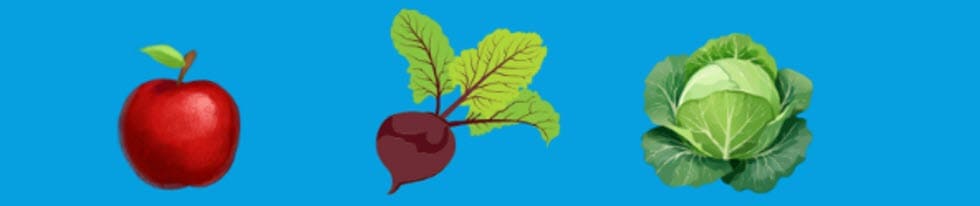
Apples, Beets, Cabbage

Cauliflower, Cranberries, Garlic, Mushrooms

Parsnips, Plantains, Potatoes

Swiss Chard, Butternut Squash
Here’s a more complete list:
❤️ Reds
- apples
- cranberries
- grapes
- pomegranates
- radishes
- tomatoes
💜💙 Purples & Blues
- beets
- red grapes
- rutabagas
🧡💛 Oranges & Yellows
- carrots
- mangos
- pumpkin
- sweet potatoes
- yams
- winter squash
- bananas
- lemons
- plantains
💚 Greens
- bell peppers
- broccoli
- brussels sprouts
- cabbage
- celery
- collard greens
- green beans
- certain herbs
- kale
- kiwi
- lettuce
- limes
- okra
- pears
- peas
- spinach
- swiss chard
- turnips
🤍🤎 Whites & Browns
- garlic
- ginger
- mushrooms
- onions
- parsnips
- potatoes
What’s typically in season in winter? (this may be different based on your region)
What’s In Season In Winter

Brussels Sprouts, Clementine, Collard Greens

Dates, Grapefruit, Kiwifruit, Leeks
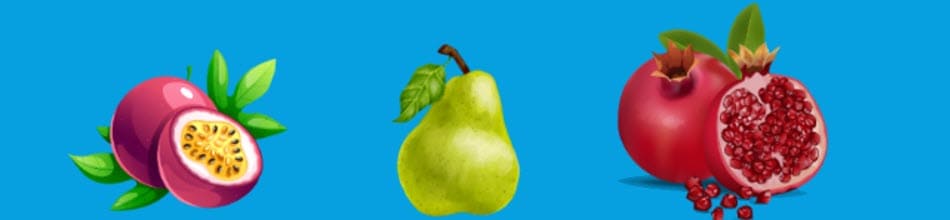
Passion Fruit, Pears, Pomegranate

Sweetpotato, Turnip
Here’s a more complete list:
❤️ Reds
- apples
- grapefruit
- pomegranates
- radishes
💜💙 Purples & Blues
- beets
- rutabagas
🧡💛 Oranges & Yellows
- carrots
- oranges
- pumpkin
- sweet potatoes
- yams
- winter squash
- bananas
- lemons
- plantains
💚 Greens
- avocados
- brussels sprouts
- cabbage
- celery
- collard greens
- certain herbs
- kale
- kiwi
- leeks
- limes
- pears
- turnips
- spinach
- swiss chard
🤍🤎 Whites & Browns
- onions
- parsnips
- potatoes
Use Unit Pricing
Look for the unit price of an item — such as the price per ounce, pound, or count — to see which option is really the better deal.
It helps you compare different sizes and brands quickly.
A bigger package isn’t always cheaper, and a sale isn’t always the best value.
Checking the unit price makes it easier to stretch your food dollars and choose what works best for your family
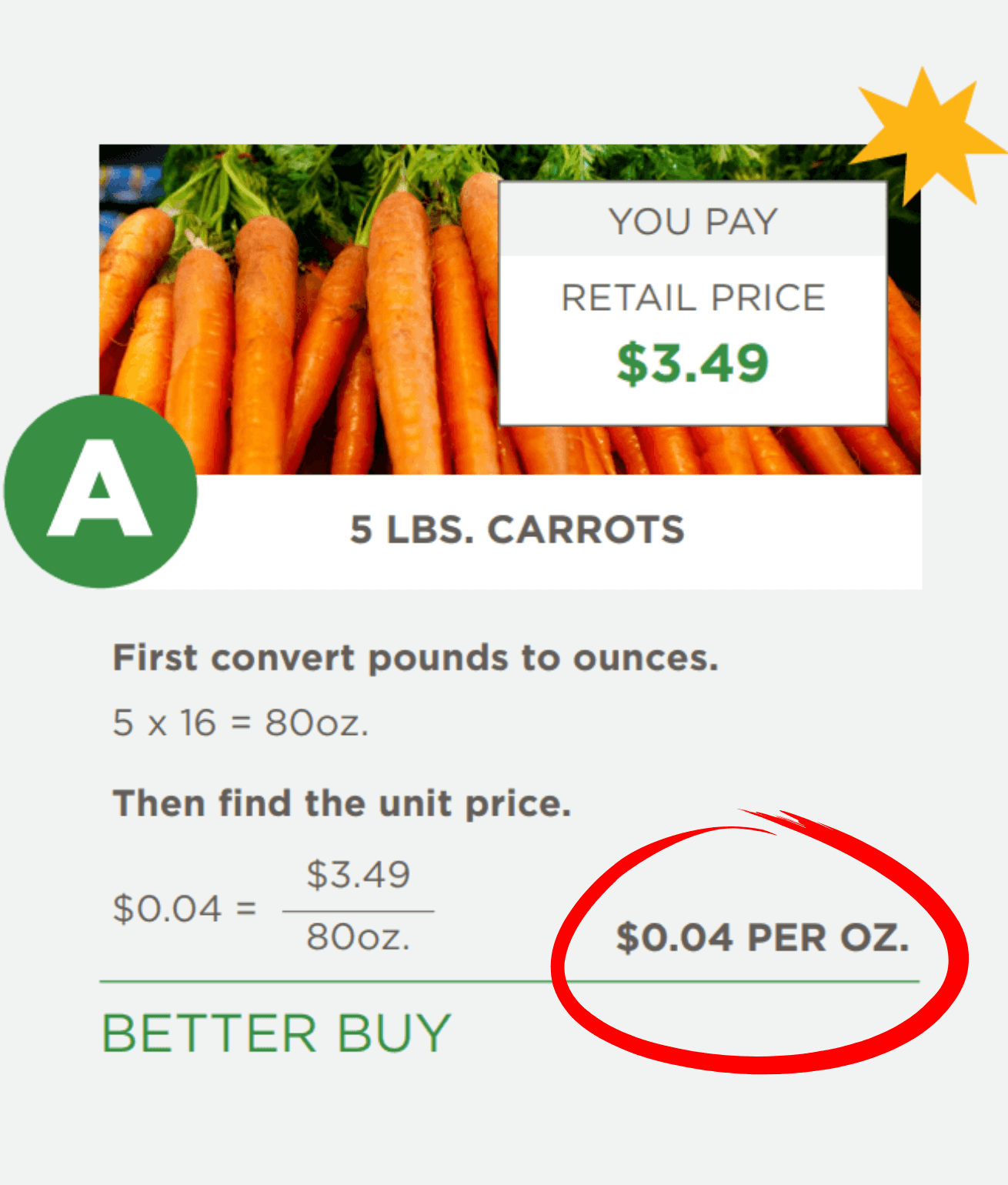
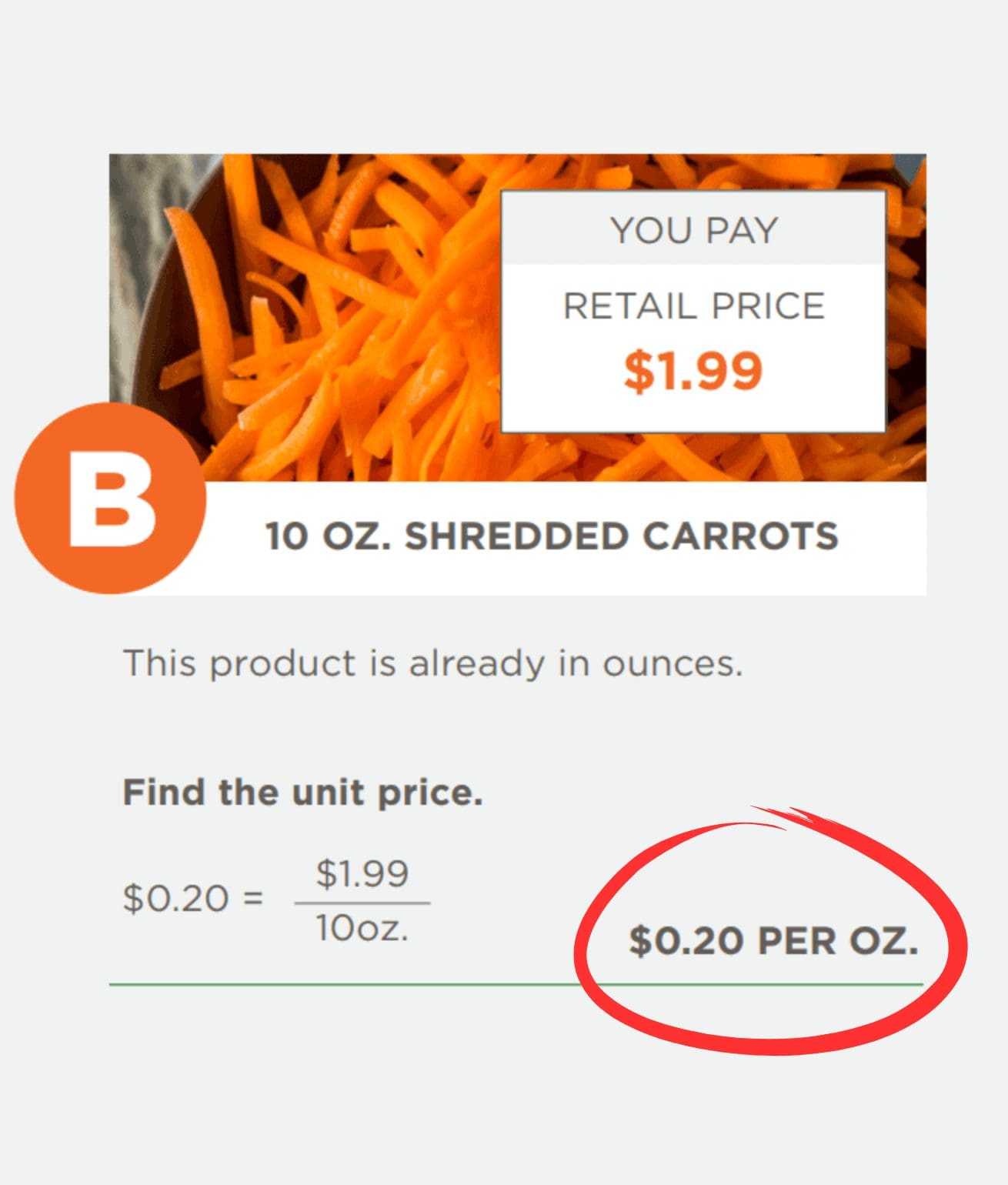
Example A is the better buy!
Use Grocery Store Rewards and Apps

Choose a Variety of Produce
- Start with fresh produce because it doesn’t last as long.
- Keep frozen and canned options ready to use. They last longer and can be great for quick meals.
- Prepare items ahead of time. Rinse and chop veggies for a meal you plan to make and store them in a sealed container in your fridge.
- Select canned and frozen vegetables with no or small amounts of added salt to keep sodium intake low.
- For fruits, look for no-sugar-added varieties when choosing frozen ones, and for canned, select no-sugar-added or those packed in 100% juice or water.
Plan Ahead & Stick to a List
- Think about your schedule for the week. Plan out what you’ll be cooking around any appointments or kids’ activities.
- Plan meals around fruits and vegetables that go a long way. Plan to include fruits and vegetables you can grab as quick snacks or turn into soups and casseroles that you can eat a couple of times during the week.
- “Shop” your pantry and fridge first before making your trip to the store. Build your meal plan around what you already have and add needed ingredients to your shopping list.
Opt for Store Brands
Fruit and Veggie Forward Recipes
Search for recipes by the fruit or veggie you’d like to use for inspiration for your next meal or snack time. You should be able to purchase any fresh fruit or vegetable without added sugars, fats, oils, or salt with your benefit. For more specific eligibility information, check with your WIC agency.
Click the plus symbol (+) next to each tip to learn more
FRUITS
A 
B 
C 
G 
H 
K 
L 
M 
N 
O 
P 
R 
S 
T 
W 
VEGETABLES
A 
B 
C 
D 
E 
F 
G 
J 
K 
L 
M 
O 
P 
R 
S 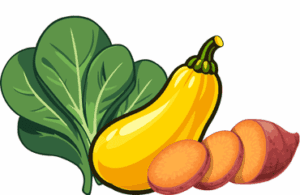
T 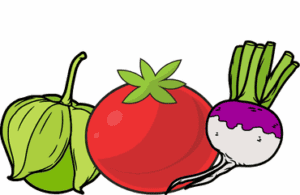
W 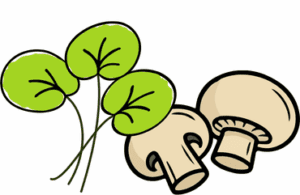
Y 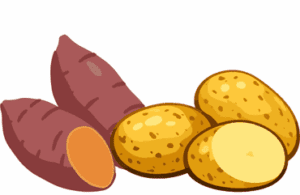
Z 
Tips for getting kids to eat more fruits and veggies
Inspire even your pickiest little eater to enjoy fruits and veggies
Click the plus symbol (+) next to each tip to learn more
Tip 1: Choose fruits and veggies as first foods
Here are some general ideas for how to serve fruits and veggies depending on your child’s age, but talk to your pediatrician before introducing these foods:
HOW TO SERVE FRUITS & VEGGIES TO YOUR INFANT
- Infant: Introduce fruits and veggies along with other solid foods around 6 months of age depending on your baby’s readiness (sitting up, good head control, etc.)
- Cooked & puréed
- Mashed

- 6 months old
- Sitting solo
- No teeth
Examples of some fruits & veggies to try:

Apples (sauce), Avocado, Banana, Berries, Broccoli, Carrot, Green Beans

Mandarin, Mango, Peas, Peaches, Pears, Squash, Sweet Potato
Here are some general ideas for how to serve fruits and veggies depending on your child’s age, but talk to your pediatrician before introducing these foods:
- Infant: Introduce fruits and veggies along with other solid foods around 6 months of age depending on your baby’s readiness (sitting up, good head control, etc.)
HOW TO SERVE FRUITS & VEGGIES TO YOUR TODDLER
- Older Toddler: When your child is around 18 months old, is walking, and has some molars you may want to begin offering ½” pieces of raw vegetables along with ½” pieces of cooked vegetables and fruits.
- Preschool: When your child is around 3 years old, is very active, and has many teeth you can begin offering larger pieces and halves of fruits and vegetables, raw or cooked, but confirm with your pediatrician the appropriate sizes.
- 1/2″ soft pieces
- 1/4″ firm pieces

- 12 months old
- Crawling/toddling
- A few teeth
Examples of some fruits & veggies to try:
Banana  1/2″ pieces
Bell Pepper  1/4″ pieces
Mandarin  1/2″ pieces
Carrot, cooked 1/2″ pieces
Pineapple 1/4″ pieces
Mango  1/4″ pieces
Celery, cooked  1/2″ pieces
Broccoli, cooked 1/2″ pieces
Berries  1/4″ pieces
Tip 2: Offer fruits and veggies often
Childhood is when lifelong eating habits are formed. Kids may need to try a fruit or veggie as many as 10 times before knowing if they like it or not. Help them try new foods by:
- Pairing a new veggie with a dip or dressing.
- Serve a few small bites of a new fruit or veggie.
- Get kids involved in making their meals and snacks.
Tip 3: Be a role model by eating fruits and veggies
Role modeling works best when you eat and enjoy the same foods as your kids. If they see you eating fruits and veggies, they’re going to want to try them too!
- Sit with kids at mealtimes and talk about what they’re eating. Share what you like about certain fruits and veggies – the taste, texture, how they make you feel.
- Don’t worry if they don’t follow your lead the first time. They may need to see you eat something several times before copying you.

Tip 4: Make fruits and veggies fun
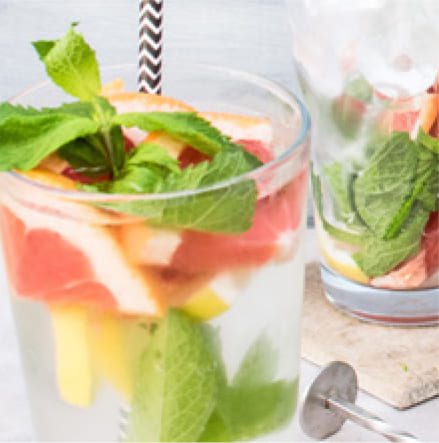
- Infused Water with Fruits: Water combined with mint leaves, cucumbers, watermelon, lemon, lime, or berries
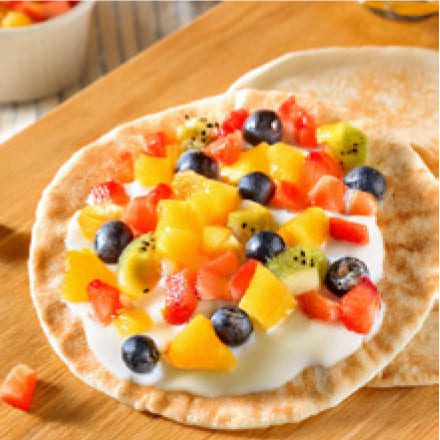
- Breakfast Fruit Pizza: Whole wheat pita with yogurt topped with fruits
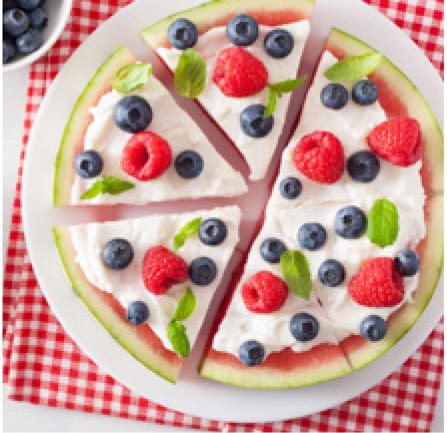
- Watermelon Pizza: Watermelon slice with whipped cream or yogurt topped with fruits
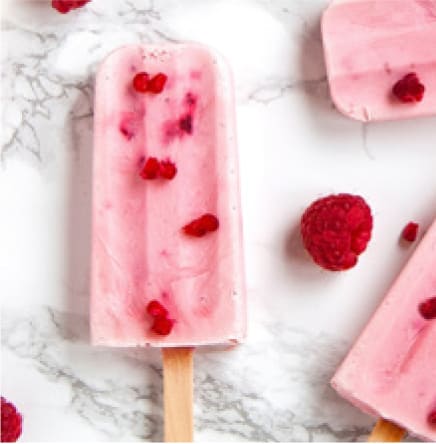
- Homemade Popsicles: Fill popsicle molds with water and smashed berries
- Dip Platter for Fruits & Veggies: Ranch, hummus, yogurt dip, peanut butter, or other nut butters
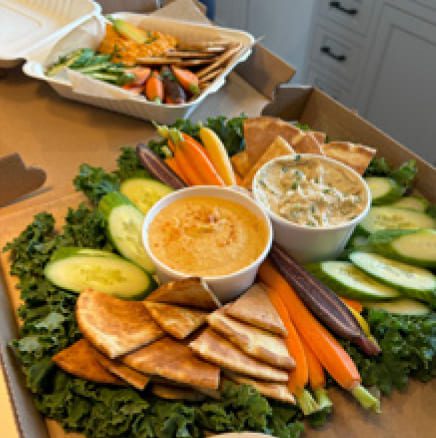
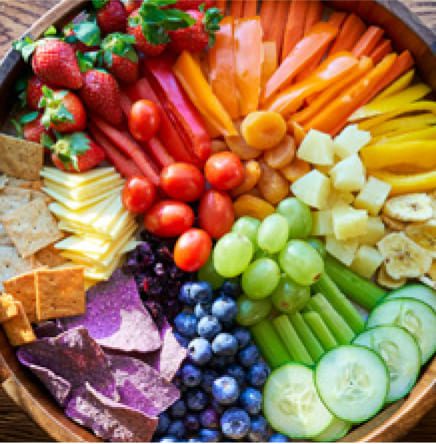
- Rainbow Charcuterie Board: Cut up fruits and vegetables and use the dips above. This also goes great with cheese, meat, or crackers to pair with the fresh produce.
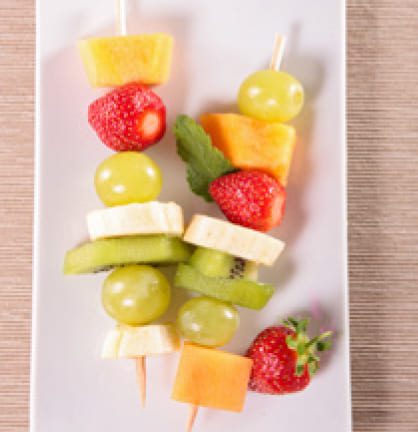
- Frozen fruit kabobs: Place fruits on a kabob stick and freeze
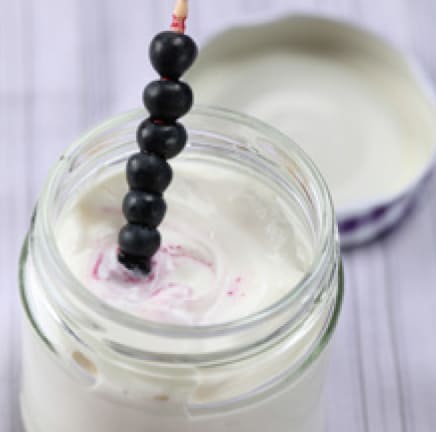
- Fairy/unicorn wands: Place blueberries (or other fruits) on a stick and roll in yogurt then freeze
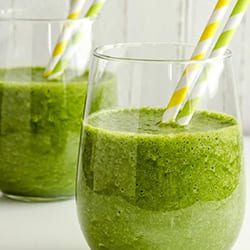
- Smoothies: Blend berries, banana, spinach, yogurt, milk/juice/water, and ice for a cool treat
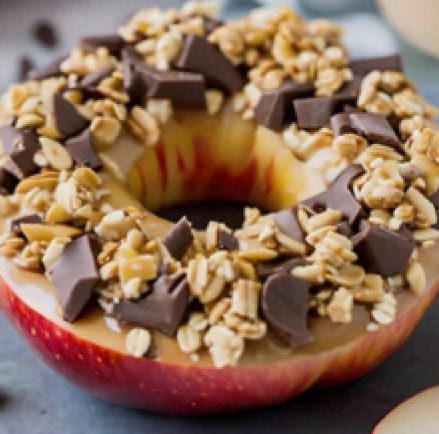
- Apple Cookies: Core and slice apples into rings. Spread with seed or nut butter. Add toppings such as chocolate chips, coconut flakes, granola, and dried fruit.
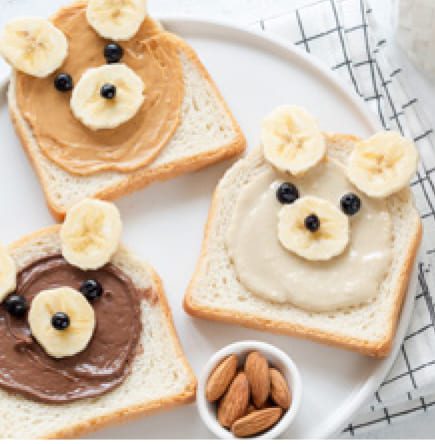
- Bear Toast: Spread cream cheese, nut or seed butter in a circle on toast. Banana slices for the ears and nose. Blueberries as the eyes and on top of the nose.
Tip 5: Get the kids in the kitchen!
When kids are involved in making a snack or meal, they are more likely to eat it. Here are simple ideas to have fun in the kitchen with kids at any age.
- Shopping
- Toddlers
- When at the store, talk about the names, shapes, colors, and sizes of fruits and vegetables.
- Preschool
- Have them help put items in bags.
- Count the items as they are put in the bag.
- Spell the names of fruits and vegetables.
- Grade school
- Talk about how fruits and vegetables are grown and where they are grown.
- Talk about fruits and vegetables eaten in other cultures, and try new ones.
- Toddlers
- Cooking
- All ages can learn the importance of good hand washing and sanitation. Use “kid-size” tools—if the counter is too high, use a sturdy step stool or have children sit at the kitchen table.
- Toddlers
- Give them play foods or pots, pans, bowls and spoons to help “cook.”
- Preschool
- Have them help measure ingredients
- Have them help combine and stir ingredients
- Toddlers
- Grade school
- Make simple, no-bake recipes.
- All ages can learn the importance of good hand washing and sanitation. Use “kid-size” tools—if the counter is too high, use a sturdy step stool or have children sit at the kitchen table.

Tip 6: How to talk with your kids about fruits and veggies
- Focus on the positive benefits of fruits and veggies like giving you energy, making your food more colorful, and making you feel happy. For example: “Fruits and veggies help your body heal cuts” “Fruits and veggies make your brain stronger too.”
- Make sure to praise your children when they choose fruits and veggies. Pride can go a long way towards them wanting to do it again.
What fruits and veggies do for your health
Research shows that fruits and veggies are very important for supporting health and preventing disease.
Click the plus symbol (+) next to each tip to learn more
Disease prevention and management
- Heart Disease
Fruits and veggies can help protect your heart. They’re packed with fiber, antioxidants, potassium, and phytochemicals that can lower blood pressure, improve cholesterol levels, and reduce inflammation. - Cancer
No single food prevents cancer, but a diverse, colorful diet filled with healthy, nutritious foods like fruits and veggies can lower overall cancer risk. - Mental Health
What you eat can affect how you feel. Fruits and veggies provide nutrients that support brain health and mood. People who eat more of them tend to report lower levels of stress, anxiety, and depression. - Immune Support
Fruits and veggies support your immune health. Nutrients like vitamin C, vitamin A, and vitamin E strengthen the body’s defenses and help fight off illness. - Type 2 Diabetes
Fruits and veggies help prevent and manage type 2 diabetes. Their fiber supports steady blood sugar levels and helps the body use insulin more effectively. - Weight Management
Fruits and veggies support weight management by helping you feel full without a lot of calories. Their rich fiber and water content help curb hunger and support a healthy weight. - Digestive Health
Fiber from fruits and veggies keeps your digestive system running smoothly and supports gut health. - Skin Health
Fruits and veggies support healthy, glowing skin. Nutrients like vitamin C help your body make collagen, which keeps skin firm and strong. - Eye Health
Fruits and veggies contain nutrients that protect your eyes and support good vision over time.

Vitamins, Minerals, & Phytonutrients
-
-
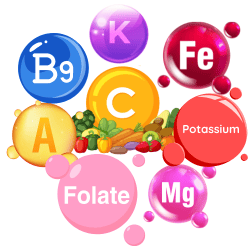
- Vitamin C
Found in citrus fruits, bell peppers, and some berries. Boosts your immune system and keeps skin healthy. - Vitamin A
Found in carrots, sweet potatoes, leafy greens, and other yellow/orange colored produce in the form of beta-carotene. Supports vision, immune health, and skin. - Folate (Vitamin B9)
Found in dark leafy greens, cruciferous vegetables, and some fruits. Helps your body make new cells and is especially important during pregnancy to prevent neural tube defects. - Potassium
Found in spinach, bananas, potatoes, and tomatoes. Helps manage blood pressure and fluid balance. - Magnesium
Found in leafy greens, avocados, and bananas. Supports nerve function, muscle health, and energy levels. - Iron
Found in dark leafy greens like spinach and kale. Helps carry oxygen through the body. Pairing with vitamin C (like citrus) helps your body absorb it better. - Vitamin K
- Vitamin C
-
Found in broccoli, leafy greens, Brussels sprouts, and some fruits. Helps with blood clotting and supports bone health.
Making your fruits and veggies last longer
Here are some tips to ensure your fruits and veggies don’t go to waste
Click the plus symbol (+) next to each tip to learn more
Use it all
- Add produce that is nearing or past its ripeness in mixed dishes like soups, smoothies, or stir fries
- Chop, slice, or cut any fruits and veggies that you won’t use in time and freeze them
- Wash and cut fruits and veggies for easy snacking and quick meals
Know how to properly store fruits and veggies
*ALL fruits and veggies should be refrigerated after being cut.
- Store these fruits and vegetables in the refrigerator
- FRUITS: berries, grapes, cherries, apples (can be stored at room temperature short-term), melons and pineapples once cut, other cut fruit, and pears
- VEGETABLES: leafy greens or other leafy vegetables, broccoli, cauliflower, carrots, celery, peppers, cucumbers, green beans, snap peas, mushrooms, asparagus, Brussels sprouts, cabbage, cut vegetables, radishes, summer squashes, and sweet corn
- Store these fruits at room temperature until ripe, then refrigerate
They are sensitive to cold and may lose flavor or texture at colder temperatures.- bananas, mangoes, papayas, avocados, stone fruits (peaches, plums, nectarines), citrus fruits, melons, pomegranates, apples, kiwi, whole melons
- Ripen these vegetables at room temperature
- VEGETABLES: potatoes, sweet potatoes, onions, garlic, winter squash (acorn and butternut), tomatoes, eggplant
- Other tips for storing fruits and vegetables:
- Keep fruits and vegetables separate in refrigerator drawers, pantries or on counters to slow spoilage
- Use refrigerated fresh fruits and vegetables within 1-3 days for maximum flavor and freshness
- Keep fruits and vegetables out of direct sunlight if storing them at room temperature
- Use breathable containers or produce savers to keep items fresh
- Move older fruits and vegetables toward the front of the pantry or refrigerator as a reminder to use them quickly
- If fruits or vegetables have bruises or soft spots, be sure to eat them quickly as they may start spoiling fast
Understand “best by” “sell by” and other expiration dates
Most foods have three (3), and sometimes four (4), dates visible on them:
- Sell ByDate: The last day a retailer can display a product for sale.
- Use ByDate: The last day a product will maintain its optimum freshness, flavor, and texture. Beyond this date, the product begins to decline although it is still edible.
- Expiration Date: Means what it says – if you haven’t used a product by this date, toss it.
-
-
Choose a Variety of Produce