
Check out some ideas for using Canned Fish!
Mix, Coat, Swap and Top!
Every WIC food has a delicious nutrition role to fill.

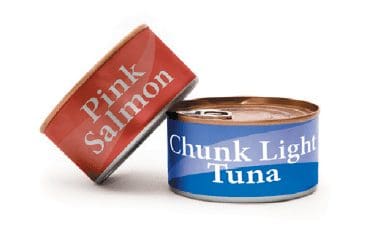
Canned fish is a convenient way to incorporate fish into meals and packs in many nutrients and is healthy for the whole family.
Why canned fish?
Canned fish is loaded with nutrients; it is protein-dense and provides beneficial omega-3 and omega-6 fatty acids. Canned fish, like salmon, sardines, mackerel, and light tuna are also a source of vitamin D, vitamin B12, choline, iron, zinc and iodine. Canned fish that contain bones provide calcium.
Allergy Prevention
Introduce potentially allergenic foods along with other complementary foods. This may reduce their risk of becoming allergic to these foods. These types of foods include fish.
Talk to your care provider for recommendations.
Choking Prevention
Check carefully for bones in canned fish, which could be a choking hazard. When removing the bones, break the fish into small pieces and remove any bones using (clean) fingers.
Visit Reducing the Risk of Choking in Young Children at Mealtimes for more information.
Tips for Serving New Foods
It may take a child up to 8 to 10 tries to accept a new food.
- Start simple and add familiar flavors, spices, and food combinations.
- Offer at the start of the meal or snack.
- Try serving new foods in a meal with other food they like to eat.
- Let your child help make meals. Children get excited about tasting foods when they have been involved in the prep.
- Serve foods in small portions at meals and snack times.
Canned Fish Hacks for Better Health.
Fish is a great low-cost protein option for any time of day.
- Mix canned fish into pasta dishes or casseroles
- Swap mayonnaise for plain yogurt or mashed white beans for your tuna salad
- Mix tuna or salmon with crushed cereal to make an oven‑baked croquette that’s lighter on fat but still full of flavor and crunch.
- Mix canned salmon into your omelet, or make a salmon quiche.
- Tuna pancakes with yogurt dip are a protein‑packed twist on a classic.

Information adapted from the U.S. Department of Agriculture’s WIC Program resources.